
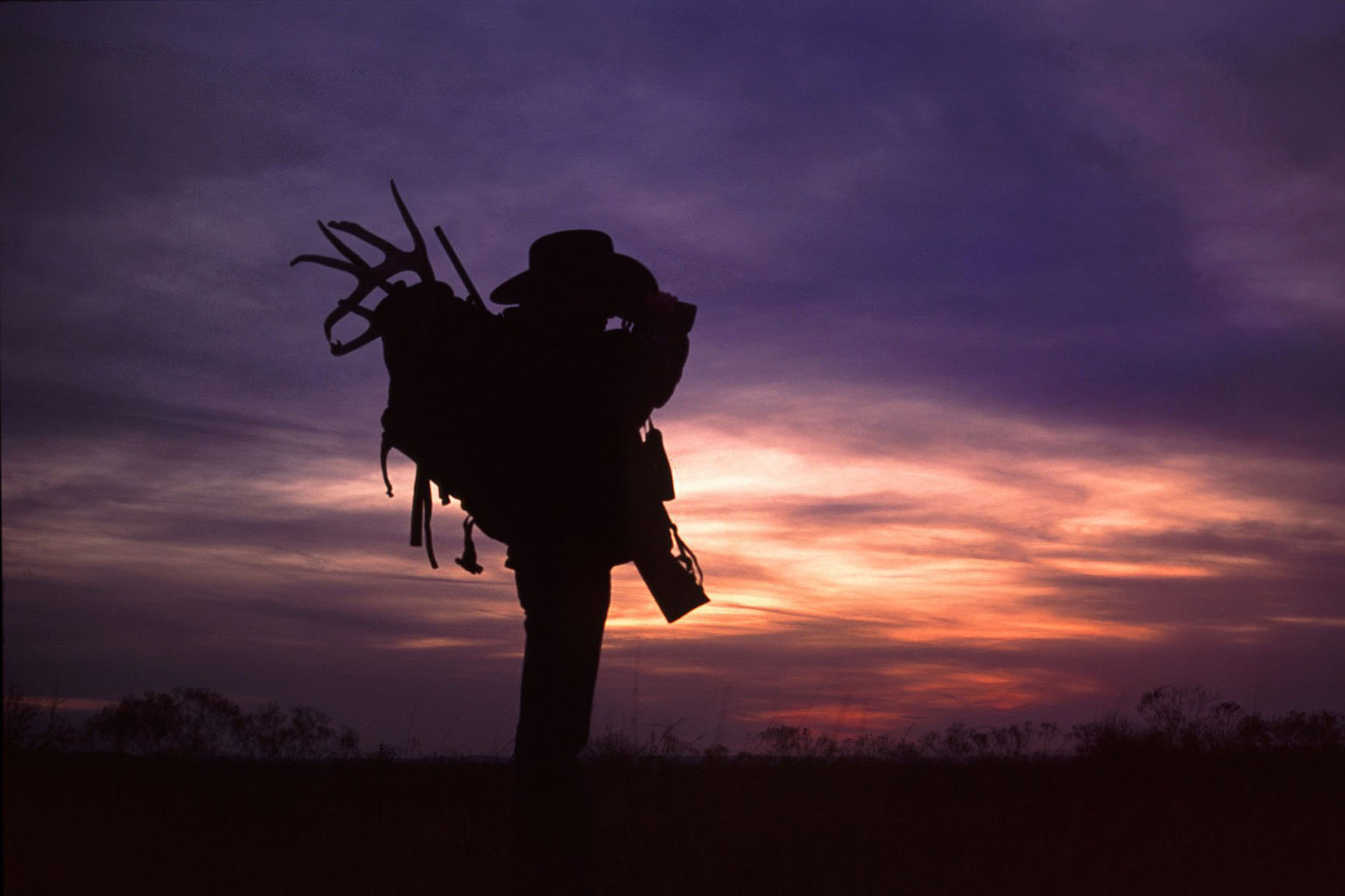
As the temperatures drop and winter’s grip tightens, hunters face a unique set of challenges. The cold season isn’t just about hunting in frigid conditions—it’s about surviving and thriving in them. Whether you’re tracking deer through icy woods or waiting for waterfowl in snow-covered marshes, winter hunts demand the right mindset, skills, and gear to stay safe and effective. Here’s your guide to surviving and succeeding in the frozen wilderness when the freeze sets in.
1. Dress for Survival: Layer Up with Purpose
In freezing temperatures, your clothing can make the difference between a successful hunt and a miserable day in the field. Layering is key—think of your clothing as your first line of defense against the cold.
- Base Layer: Start with moisture-wicking materials like merino wool or synthetic fabrics. These will pull sweat away from your body, keeping you dry. Avoid cotton, as it holds moisture and chills the body quickly.
- Mid Layer: Insulate with fleece or down. These materials trap heat without adding bulk. A puffy jacket or vest will keep your core warm, which is critical for preventing heat loss.
- Outer Layer: Your outer layer should be waterproof and windproof. Gore-Tex or similar fabrics will shield you from wind and precipitation. Choose a camouflaged outer layer that suits your hunting environment for stealth.
- Accessories: Don’t forget a quality beanie, neck gaiter, and gloves. Insulate your hands and feet with wool or fleece-lined options. Consider heated gloves or insoles for those really bitter days.
2. Master the Art of Staying Dry
Cold and wet conditions are a hunter’s worst enemy. The moment you get wet, you risk hypothermia, even if you’re wearing the best clothing. Here’s how to stay dry:
- Waterproof Gear: Invest in quality waterproof boots, gaiters, and rain gear. For waterfowl hunters, waders are essential for keeping your legs and feet dry while navigating through icy waters.
- Keep Your Gear Dry: Always store extra layers in waterproof bags. Pack hand warmers and extra socks in case your feet get wet. Wet socks are a surefire way to end your hunt early in the cold.
- Choose Dry Locations: If you’re setting up a blind or hunting stand, make sure it’s on high ground or in areas less prone to standing water. Avoid damp environments that could chill you quickly.
3. Build a Fire: The Power of Warmth
In winter hunting, a fire can be a life-saver, offering both warmth and a signal in case of an emergency. Mastering the art of fire-starting is essential.
- Fire Starting Tools: Always carry waterproof matches or a fire starter, and ensure you have dry tinder. Cotton balls coated in petroleum jelly, or a fire starter stick, can be lifesavers in damp conditions.
- Location: Build your fire in a safe spot, away from overhanging branches and with enough ventilation. Use a fire ring if possible to avoid accidental wildfires.
- Firewood: In the absence of dry wood, look for fallen, partially dried logs or sticks. Cut them into manageable pieces, and arrange them in a teepee structure to ensure airflow.
4. Stay on the Move: Keep Your Body Active
Cold temperatures mean your body burns energy faster, but staying too still for long can cause your body to cool off. Movement is vital to keep your circulation flowing and your body temperature up.
- Keep Walking: If you’re hunting on foot, take short breaks to keep your muscles moving. Walk around every 30-45 minutes to prevent your body from getting stiff and cold.
- Use Tree Stands or Blinds: For those hunting from a tree stand or ground blind, make sure to stay as active as possible inside your blind. Perform light stretching, adjust your seating position, and tap your feet to keep blood flowing.
- Hunt During the Warmest Parts of the Day: Typically, the temperatures dip the lowest in the early morning and late evening. If possible, focus your hunting efforts during the midday when the sun is at its peak and temperatures are a little higher.
5. Protect Your Weapons and Gear
Cold weather can affect your hunting gear, from freezing your bowstring to causing your rifle’s action to freeze. Taking proper care of your equipment is essential.
- Firearm Maintenance: Keep your rifle’s action and moving parts well-oiled but avoid over-oiling, which can attract dust and dirt. Cold weather lubricants are available that won’t freeze up in the winter temperatures.
- Bow Care: If you’re bowhunting, ensure your bowstring is well-maintained and free of moisture. Extreme cold can cause strings to contract, affecting performance. Consider using string wax to protect it from the elements.
- Ammunition: Store ammo in a sealed, waterproof container. Cold temperatures don’t affect ammunition directly, but extreme temperatures can cause condensation and moisture buildup, which will affect its reliability.
6. Know the Signs of Hypothermia and Frostbite
Understanding the symptoms of hypothermia and frostbite can save your life. These conditions are insidious, and can set in before you even realize it.
- Hypothermia: Symptoms include uncontrollable shivering, confusion, slurred speech, and drowsiness. If you experience any of these, seek shelter and warmth immediately. Hydrate and eat, as energy from food is vital for maintaining body temperature.
- Frostbite: Look for pale, hard skin that feels numb and cold to the touch. If you suspect frostbite, rewarm the affected area slowly, but do not rub the skin or expose it to hot water.
7. Use Your Knowledge of Wildlife Behavior
Understanding how animals behave in cold weather is crucial for a successful hunt.
- Deer: During colder months, deer tend to stay near bedding areas in the mornings and evenings. Look for deer near food sources as they come out to feed in the warmer parts of the day.
- Waterfowl: As temperatures drop, ducks and geese are more likely to migrate. Focus on areas with open water, as these are prime feeding grounds for migratory birds. Decoys and calls should mimic the sounds of birds in distress to draw them in.
- Small Game: Rabbits, squirrels, and other small game are more active in winter to search for food. They often burrow under snow or seek shelter in wooded areas. Be patient and stealthy when approaching these animals.
8. Emergency Preparedness: What to Pack
Always be prepared for the unexpected. Make sure you carry essential survival gear, including:
- First Aid Kit: A well-stocked kit with bandages, antiseptic wipes, pain relievers, and a tourniquet.
- Emergency Blanket: Lightweight, compact, and designed to trap body heat.
- Portable Charger: If you’re in an area with coverage, a portable charger can keep your devices running for emergency communication.
- Signal Mirror and Whistle: In case you need to attract attention.
Conclusion: Prepare, Adapt, and Conquer
Winter hunting can be an incredibly rewarding experience, but it requires skill, preparation, and resilience. With the right gear, knowledge, and survival tactics, you can not only survive but thrive in even the harshest winter conditions. By layering up, staying dry, keeping your gear functional, and understanding the natural behavior of your quarry, you’ll increase your chances of a successful hunt and return safely to camp—or home.
