
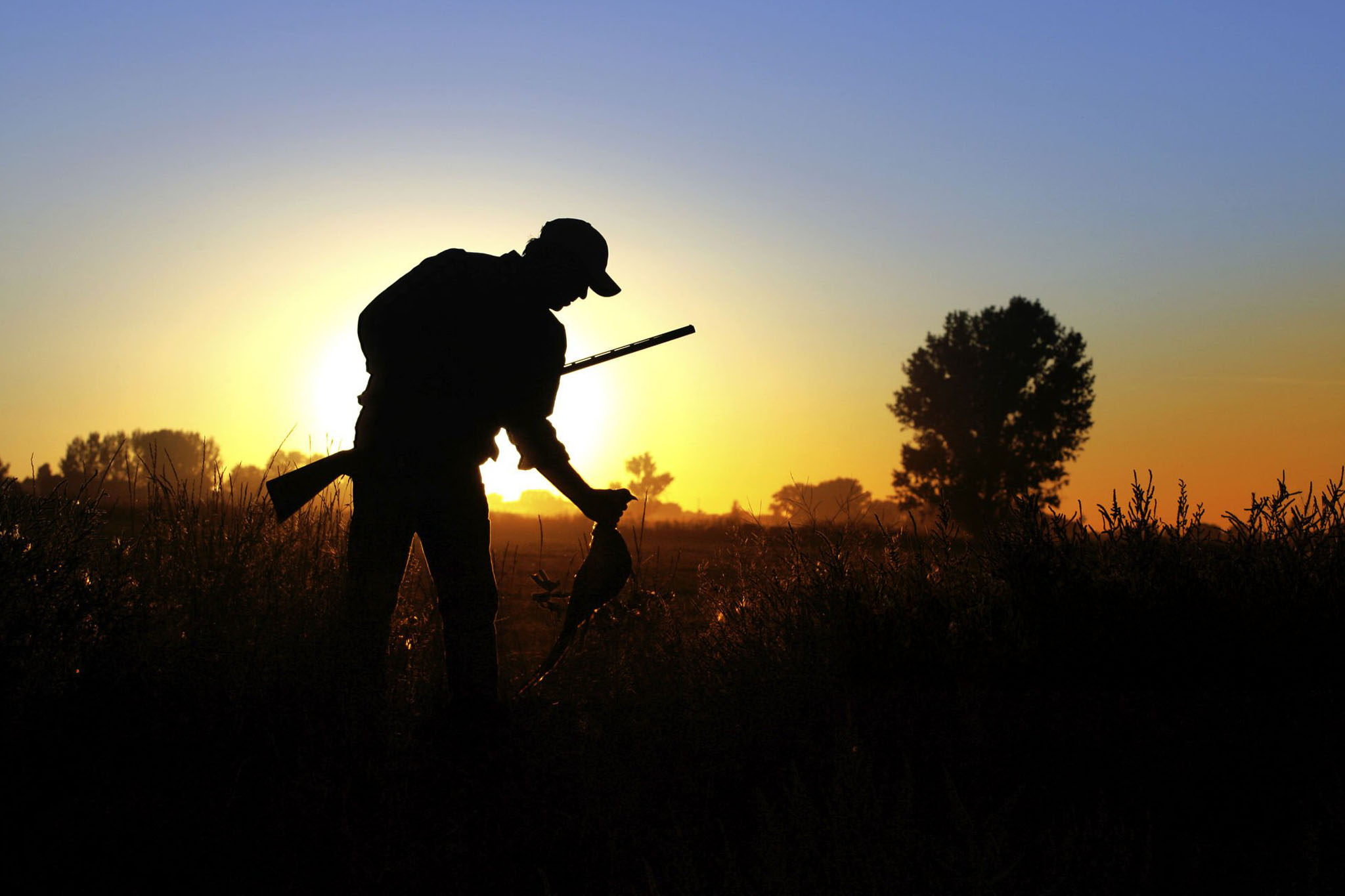
Winter hunting brings a unique set of challenges, but it also offers distinct advantages for those who understand how to read and use the elements to their favor. Among the most significant weather conditions to take advantage of are snow and scent. The way snow impacts both the landscape and animal behavior can open up opportunities that simply aren’t available during other seasons. Additionally, winter conditions can dramatically affect scent control and how you approach animals in the field. In this article, we’ll explore how snow can influence your hunt and how to leverage scent management during the cold months to increase your chances of success.
Understanding the Impact of Snow on Your Hunt
Snow has an undeniable effect on wildlife, from changing their patterns of movement to affecting their feeding habits. As a hunter, you can use snow to your advantage if you understand how animals react to it.
1. Tracking in Fresh Snow
One of the most obvious advantages snow provides is the ability to track your quarry. Fresh snowfall creates a pristine white canvas that captures every footprint, giving you a clear view of animal movement.
- Spotting Movement: Animals like deer, elk, and other game species leave clear tracks in the snow, allowing you to trace their movements. This can help you determine where they’ve been, where they are headed, and how they’re likely to behave under current conditions. In some areas, snow can even reveal patterns in their travel routes that would be difficult to observe otherwise.
- Tracking the Right Species: While all animals leave tracks in snow, you can use this information to focus on the specific species you’re after. Deer tracks, for instance, can be distinguished from those of elk or smaller predators, which helps you narrow down your search.
- Timing and Patience: Snow gives you a chance to plan your approach more effectively. By carefully following the tracks, you can predict where the animals are headed and set up your ambush accordingly. Just remember to move slowly and quietly, as even the slightest noise in fresh snow can alert your target.
2. The Psychological Effect on Wildlife
Snow can make animals more cautious and skittish, especially when it’s deep or wet. However, during certain conditions—especially after heavy snowstorms—animals may feel less confident in their movement.
- Increased Vulnerability: After a significant snowfall, animals may seek refuge in dense woods or lower grounds to avoid the harsh weather. While they’re in these areas, they are less likely to be moving around in the open, making this an excellent time to set up near their known travel paths, bedding areas, or food sources.
- Decreased Visibility: Heavy snow can reduce visibility for both hunters and animals. This gives hunters a tactical advantage—especially when hunting in the woods—because you have the cover of snow to obscure your movements. However, this also means you must rely on sound, scent, and other non-visual cues to track and position yourself.
Leveraging Scent Control in Winter
Winter conditions provide both challenges and opportunities when it comes to scent control. Cold, dry air can help mask your scent, but it also makes it easier for animals to pick up on unfamiliar smells, especially in areas where the snow is undisturbed.
1. Understanding the Role of Cold Air in Scent Dispersion
Cold air has a big impact on how your scent travels and dissipates. In winter, the air tends to be denser and crisper, which can prevent your scent from dispersing as quickly as it does in warmer months.
- Scent Travel: Cold, still air allows scent to linger for longer distances, while the wind can carry your scent over a much wider area. Depending on the wind direction, it can be both an advantage or a disadvantage. In particular, a light breeze can carry your scent downwind to the animals, while a headwind can prevent them from detecting you.
- Using Scent to Your Advantage: One way to counter the effect of the wind is by using it to your advantage. Position yourself upwind from where you expect animals to be and wait for them to approach your position. In some cases, animals might move along natural wind breaks or in sheltered areas where the wind doesn’t affect them as much, so understanding wind flow and terrain is key.
2. Scent Masking Strategies for Winter Hunts
Winter is a great time to utilize scent-masking products or strategies, as the colder air doesn’t dissipate smells as quickly as in warmer months. This means your scent can linger longer, which can either be a blessing or a curse.
- Scent-Masking Clothing: Many hunting apparel brands offer clothing lines designed to block or mask your scent. These garments are particularly effective in cold weather, where even the slightest scent can alert animals. Be sure to use scent-blocking jackets, pants, gloves, and hats that are designed for extreme temperatures.
- Scent-Eliminating Products: Winter is the ideal time to invest in scent-eliminating sprays, soaps, or wipes. These products work by neutralizing human scent and preventing the scent from being transferred to your gear. Scent control is essential in winter hunting, as animals have an increased ability to detect unusual smells in still, cold air. Additionally, be sure to wash all your hunting gear with scent-free detergents and store it in scent-proof bags when not in use.
- Avoiding Scent Transfer: Keep your gear away from contaminants like gasoline, food, or other strong smells that could alert animals to your presence. If you’ve been handling fuel or other strong-smelling substances, be sure to wash your hands and equipment thoroughly before entering the hunting grounds.
Using Snow to Mask Your Presence
Snow can also work in your favor when it comes to masking your movements. Here’s how:
- Footprints: When stalking animals in the snow, it’s important to minimize your own tracks. Wearing soft-soled boots can help reduce noise as you move and allow you to tread more lightly. You can also use the snow to cover your tracks as you move, making it harder for animals to detect your presence.
- Using Snow for Concealment: Snowfall can reduce visibility, so you can use the elements to move quietly and approach game without being noticed. Additionally, snowy ground makes it easier to spot animal tracks and movements. This gives you an advantage in predicting where animals may be headed and setting up accordingly.
Conclusion: Maximizing Winter Conditions for Your Hunt
Snow and scent management are powerful tools for winter hunters who know how to use them. Understanding how animals behave in the snow and how scent is carried and controlled in cold weather will increase your odds of success. By tracking movements in fresh snow, masking your scent using winter-specific tactics, and understanding how wind and snow conditions affect visibility, you’ll put yourself in a prime position to take advantage of winter’s unique challenges.
As you head out into the winter wilderness, keep these tips in mind and remember that snow isn’t just a challenge—it’s an opportunity. With the right strategies and careful attention to scent control, winter hunting can be some of the most rewarding and successful hunting of the season.
