
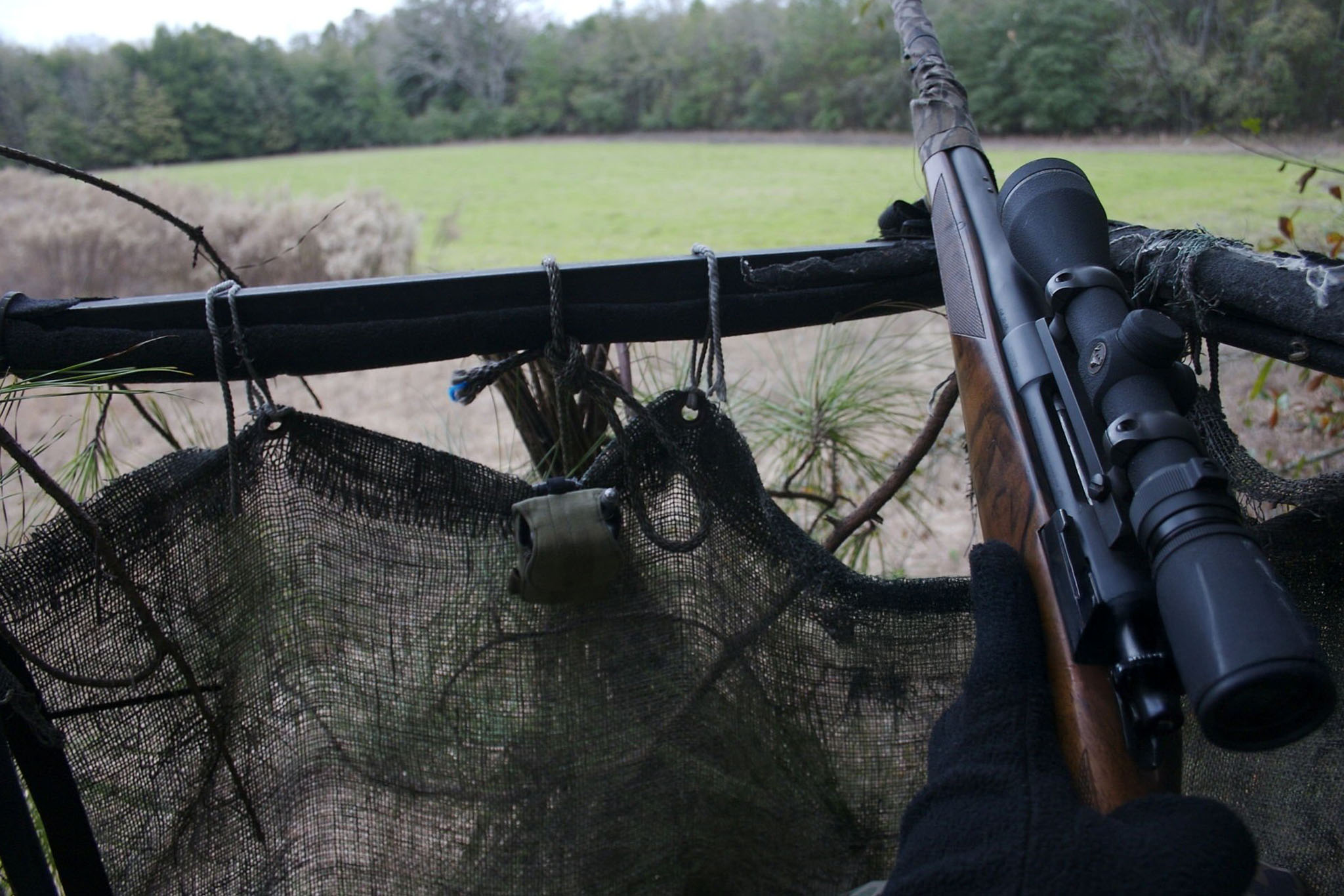
When the mercury drops and frost settles over the woods, your gear takes the same beating you do — and nothing suffers more than your firearm. Cold-weather hunting demands preparation, patience, and proper gun care. A well-maintained rifle or shotgun isn’t just a tool; it’s your lifeline. If your firearm fails when a big buck finally steps into the clearing, you’ve got no one to blame but frost and neglect. Here’s how seasoned hunters keep their guns frost-proof, reliable, and ready to fire in the coldest conditions.
1. The Winter Weapon Problem: Moisture Meets Metal
Cold air is dry, but your gun doesn’t live in a vacuum. Snow, condensation, and even your breath introduce moisture that can freeze, rust, or jam moving parts. When you carry your gun from freezing temperatures into a warm truck or cabin, condensation forms instantly. That moisture seeps into crevices, only to freeze again once you’re back outside.
To prevent this cycle, avoid rapid temperature changes whenever possible. Leave your firearm in a cold but dry space, like an unheated garage or mudroom, instead of bringing it directly indoors. This minimizes condensation and keeps your metal parts stable.
2. Degrease Before You Freeze
Thick lubricants that perform beautifully in the summer can be a disaster in the cold. Standard gun oils tend to congeal when temperatures drop below freezing, slowing down actions and making triggers feel gummy.
The solution? Switch to a cold-weather lubricant designed for subzero performance. These lighter synthetic oils resist freezing and maintain smooth operation even in bitter cold. Alternatively, go nearly dry — some expert hunters lightly oil only critical contact points to reduce the chance of sluggish movement.
Before hunting season starts, give your firearm a deep clean:
- Strip away all old grease and oil.
- Use a degreasing solvent.
- Apply a thin layer of cold-rated oil.
This ensures your weapon cycles smoothly when the temperature dips into single digits.
3. Snow, Ice, and Barrel Safety
Nothing ends a hunt — or ruins a firearm — faster than a blocked barrel. Snow-packed muzzles are a common hazard for winter hunters trudging through drifts or crawling into position. One stray clump of snow or ice can lead to catastrophic pressure buildup when fired.
Use a barrel tape or finger cot to seal the muzzle while hunting. It keeps snow and moisture out and blows off harmlessly when you fire. Always check the barrel before shooting, especially if you’ve taken a tumble or brushed through heavy cover.
4. Synthetic Stocks and Stainless Steels Win in Winter
While classic wood stocks have their charm, they’re prone to swelling, cracking, and warping in cold, wet conditions. If you hunt through harsh winters, synthetic or composite stocks hold up far better.
Likewise, stainless steel barrels and actions resist rust and corrosion much more effectively than blued steel. If you’re upgrading or assembling a dedicated winter rifle, these materials are worth the investment for their durability and low maintenance.
5. Dry Storage and Smart Transport
When the hunt’s over, resist the urge to toss your rifle back in its padded case. That’s a recipe for trapped moisture and rust overnight. Instead:
- Let the firearm air dry before storage.
- Use silica gel packs or a dehumidifier in your gun safe.
- Wipe down metal parts with a rust-preventive cloth.
During transport, opt for a hard case with ventilation rather than a soft one that traps humidity.
6. Finger Dexterity and Safety in the Cold
Thick gloves, frozen fingers, and stiff metal make handling a firearm trickier — and potentially dangerous. The trigger feel changes in the cold, and the margin for error shrinks.
Choose thin, insulated shooting gloves that balance warmth and tactile control. Practice cycling your firearm, disengaging the safety, and shouldering it while wearing your full winter gear. That way, when the real moment comes, muscle memory takes over instead of fumbling through frozen fabric.
7. End-of-Season Deep Clean
Once the season wraps up, your gun deserves a thorough post-hunt service. Strip it down completely, dry it out, clean every surface, and re-lubricate with standard oil for long-term storage. This prevents rust and ensures your rifle will be ready next year without surprises.
Conclusion: Reliability in the Rough
Cold-weather hunting rewards the patient and punishes the unprepared. A frost-proof firearm isn’t about fancy gadgets — it’s about respect for your tools and attention to detail. Whether you’re stalking whitetails in a snowstorm or calling coyotes under a steel-gray sky, a clean, well-oiled gun keeps you confident and capable when the frost bites hardest.
Because when the cold stiffens everything — from your breath to your barrel — reliability isn’t optional. It’s survival.
