
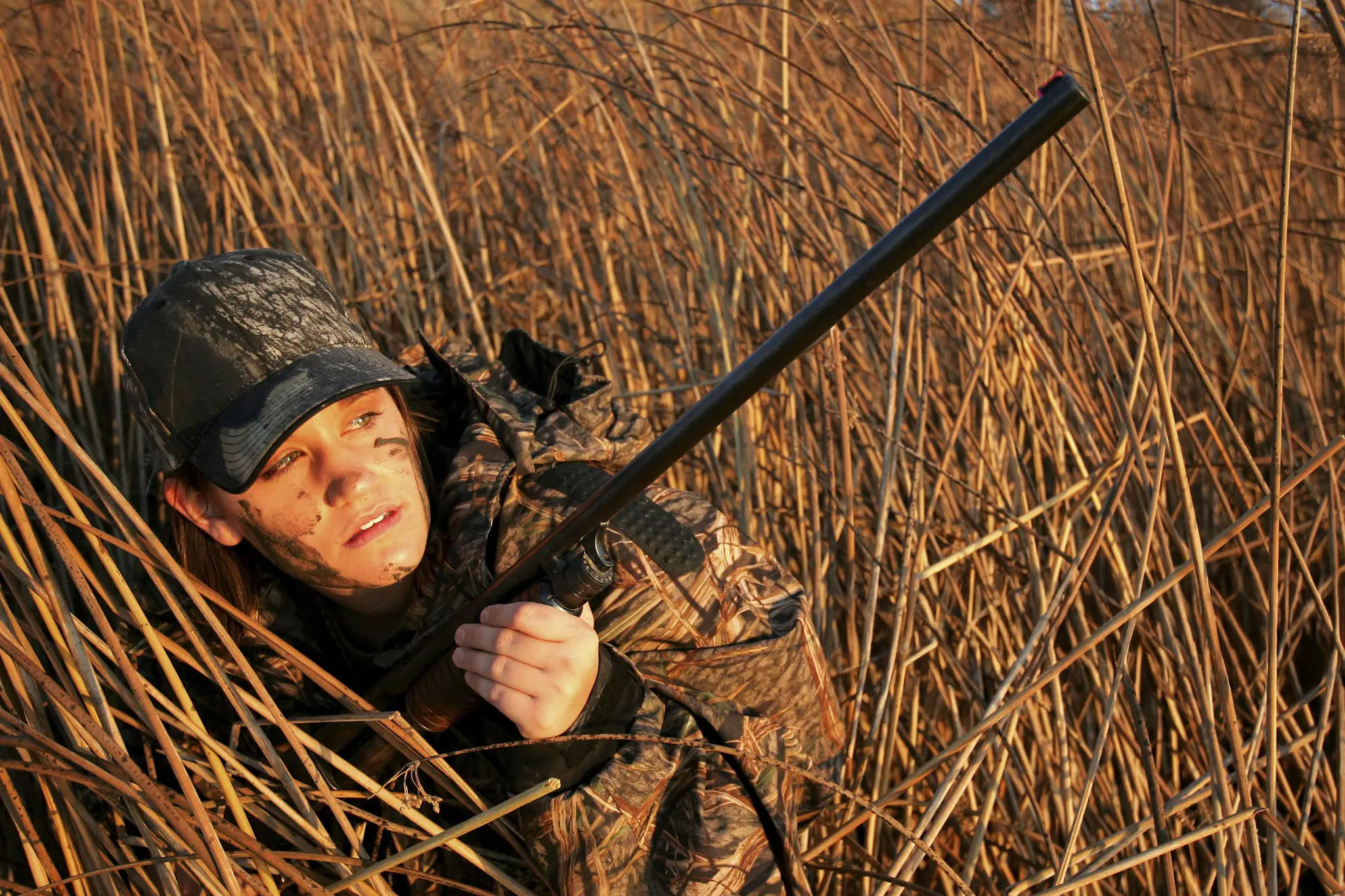
When the first hard frost grips the northern marshes, something magical happens across the flyways — ducks begin to move. The “freeze line,” that invisible boundary where open water gives way to ice, becomes a highway of opportunity for hunters who know how to follow it. As temperatures drop and migration intensifies, targeting ducks along the freeze line can lead to some of the most productive hunts of the season. But success takes more than luck; it demands timing, scouting, and strategy.
1. Understanding the Freeze Line: The Migration Trigger
The freeze line isn’t just a weather pattern — it’s a living pulse that dictates migration. As ponds, sloughs, and shallow marshes lock up, ducks are forced to push southward in search of open water and food.
At any given moment, the freeze line shifts with temperature swings and fronts. When overnight lows dip below freezing for consecutive days, you’ll see mallards, pintails, gadwalls, and wigeon start moving en masse. But as the sun warms during the day, temporary thaws can create new feeding zones — a key window for hunters to capitalize on.
Tracking the freeze line is as simple as watching weather maps:
- Look for the 32°F (0°C) temperature contour on national forecasts.
- Watch for northwest winds following a strong cold front — these are classic migration days.
- Keep tabs on reports from wildlife refuges north of your hunting area. When they freeze, the birds come to you.
2. Scouting Ahead of the Freeze
The most successful freeze-line hunters are those who scout one step ahead of the weather. You don’t want to be where the water is already locked up; you want to be just south of it, where open water and food are still available.
- Check rivers and reservoirs first. Flowing water stays open longer, drawing flocks of migrating birds.
- Focus on shallow sloughs, flooded cornfields, and sheet water in ag land. Ducks stop to rest and refuel here before continuing south.
- Use binoculars or drones for aerial glassing. You’ll often see huge flocks staging near the freeze edge a day or two before they push further south.
Timing is everything. Be ready to hunt the day after a major cold front — when the air is biting, the skies are clear, and the ducks are desperate for open water.
3. Decoy Strategies That Match the Migration Mood
Late-season ducks behave differently than early-season birds. They’ve seen spreads, heard calls, and survived pressure all the way down the flyway. That means realism matters more than ever.
- Use fewer decoys, but higher realism. Think 12–18 high-quality full-body or motion decoys rather than 50 cheap floaters.
- Mix in species variety. Mallards dominate the migration, but adding pintails or wigeon decoys shows authenticity.
- Open water spacing. As temperatures drop, ducks prefer tight, warm groups — but leave a landing pocket downwind of your setup.
- Add movement. Use jerk cords, spinners, or ripple decoys to simulate live birds feeding in cold wind.
If birds are circling but not committing, scale back. Late-season ducks are wary, and sometimes less is more.
4. Sound Control: Adjusting Your Calling for Cold Weather
By December, every duck from Manitoba to Missouri has heard a dozen hail calls. Loud, aggressive calling often sends more birds away than it brings in.
Instead, go for realistic, conversational tones:
- Soft quacks, chuckles, and feeding murmurs work best when birds are finishing.
- Call only when ducks are flying away or on the edge of turning.
- If birds are locked on your spread — go silent.
In freezing weather, sound carries farther. The still, dense air amplifies calls, so subtlety wins the day.
5. Gear That Wins in the Cold
Freeze-line hunts test not only your patience but also your gear. Frozen triggers, iced decoys, and wet gloves can ruin a day fast. Here’s what to prioritize:
- Insulated waders that resist cracking in subfreezing temps (5mm neoprene or insulated rubber).
- Waterproof gloves with grip for handling calls and shotguns.
- Face mask or neck gaiter to block wind and hide shine.
- Thermos and hand warmers to maintain dexterity and focus.
- Dry bag to protect electronics and spare layers from ice spray.
Always bring a small hatchet or ice spud. Sometimes breaking a skim of ice before dawn is all it takes to draw birds in.
6. Pick the Perfect Spot: Open Water Meets Food
The ideal freeze-line hunt location combines two things: open water and available food. Ducks moving south are running on fuel — they want calories and a place to rest.
Prime habitats include:
- River bends with current slow enough for resting.
- Flooded corn or milo fields with nearby ditches or creeks.
- Reservoir coves protected from wind but still holding open patches.
- Warm-water outflows from power plants or springs that resist freezing.
Always think like a duck on the move: they’re not looking for a new home — they’re looking for a pit stop.
7. Safety and Access: Ice Edges Demand Respect
Hunting near the freeze line means you’re often working around thin ice and frigid water. That’s a dangerous mix. Always:
- Use a push pole to test ice thickness before wading.
- Never hunt alone when breaking ice or launching a boat.
- Wear a life jacket or flotation vest in layout blinds or small boats.
- Keep a rope throw bag and extra dry clothes in your truck.
Even a short dunk in near-freezing water can turn deadly. Preparation is key.
8. The Payoff: Big Flights and Short Windows
When you find the freeze line, you’ll know it. The sky will be alive — V-formations stretching across the horizon, flocks dropping in from the north, and ducks cupping hard over open patches.
The action is fast, furious, and fleeting. A strong cold snap might give you only a two- or three-day window before everything locks solid. But when it’s on, it’s unforgettable.
That’s the magic of the freeze line — a brief intersection between weather and instinct, where every gust of wind carries wings from the north and every shot echoes across frozen cattails.
Conclusion: Stay Ahead of the Ice, Stay in the Game
Freeze-line hunting is about timing, mobility, and understanding migration like a duck would. The key is to move with the birds, not behind them. Follow the fronts, scout new water daily, and trust the weather to tell you where the next big push will be.
Because when the northern skies lock up and the south wind carries the whisper of wings, that’s your cue — grab your waders, load the decoys, and meet the migration head-on
