
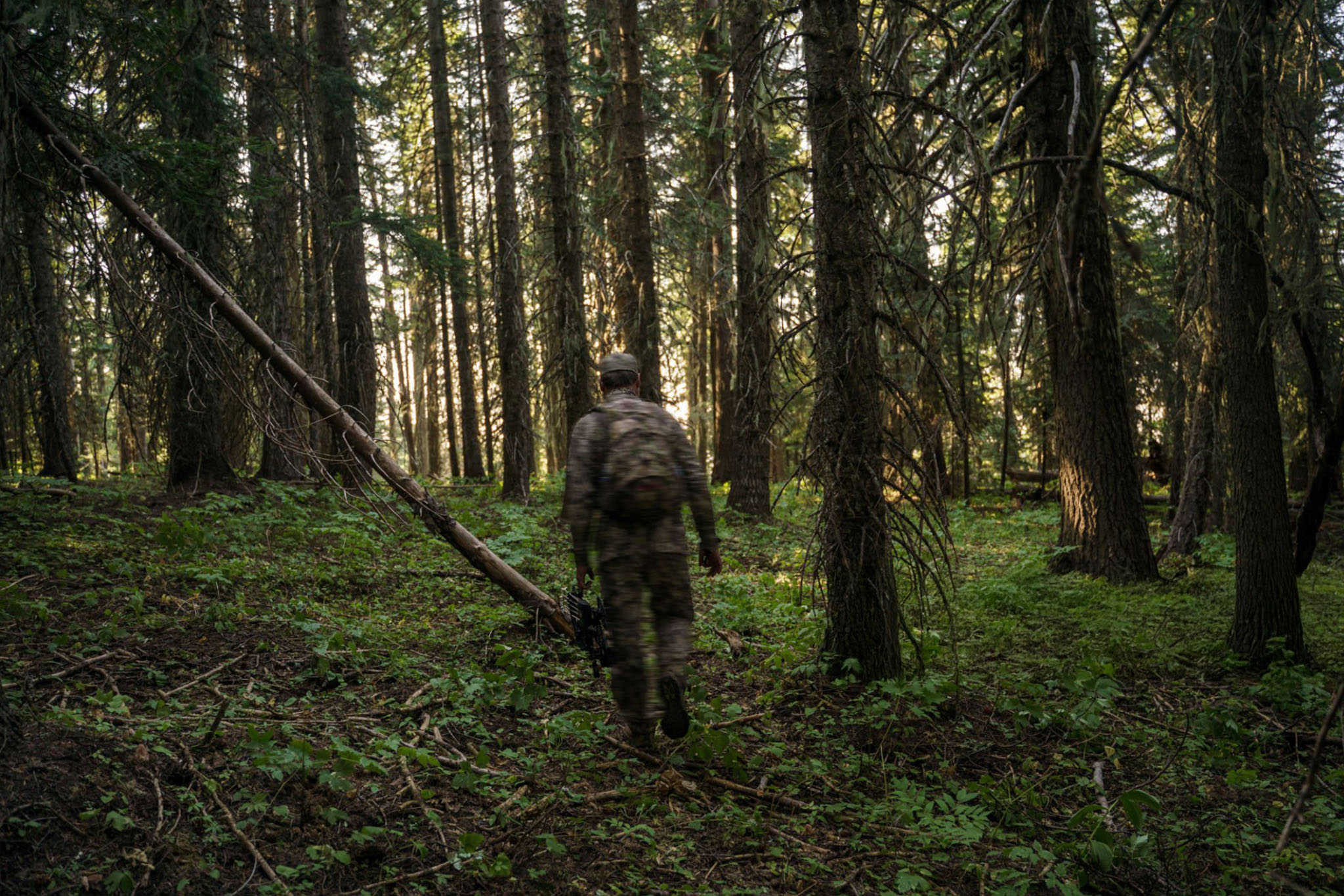
When the woods turn silent and the frost clings to every branch, the late-season hunt begins — a test not only of patience but of preparation. The deer are cautious, daylight is scarce, and every ounce of gear matters. A well-packed cold-weather hunting bag can mean the difference between comfort and misery, between a successful harvest and heading home empty-handed. Let’s break down what every serious hunter should carry when temperatures drop and the season winds down.
1. Layered Clothing: Insulation Without the Bulk
Your pack starts with the layers you wear. Late-season hunts demand thermal efficiency and flexibility. Overheating on the hike in and freezing in the stand are both easy mistakes to make.
- Base Layer: Go for moisture-wicking merino wool or synthetic blends. These materials pull sweat away from your skin and prevent chilling.
- Mid Layer: Choose insulated fleece or lightweight down to trap heat.
- Outer Layer: Pack a waterproof, windproof shell that’s quiet enough for stalking yet durable for brush and snow.
Keep an extra pair of socks and gloves in your pack. Once they’re damp, they lose warmth fast — and cold fingers make it impossible to draw a bow or pull a trigger accurately.
2. Hand Warmers and Heat Sources
Late-season hunts often mean long hours of stillness. The temperature can plummet faster than expected, especially before sunrise or after sunset. Toss a few chemical hand warmers, toe warmers, or even a reusable pocket heater into your bag.
If you hunt from a blind or ground setup, consider a small catalytic heater (where regulations and safety allow). Nothing ruins focus faster than shivering. Warmth equals endurance — and endurance equals opportunity.
3. Food, Water, and Energy Reserves
Cold burns calories quickly, even when you’re just sitting. You need to keep your body fueled. Pack high-calorie, easy-to-eat snacks like:
- Jerky or meat sticks
- Trail mix and nut bars
- Peanut butter packets
- Energy gels
Dehydration is easy to overlook in the cold. Bring a stainless steel water bottle or an insulated hydration pack to keep your water from freezing. Adding an electrolyte mix or a bit of salt can also help with energy and hydration balance.
4. Navigation and Light Sources
Cold weather and short days make navigation tools essential. Snow and fog can erase trails in minutes. Pack:
- A GPS unit or navigation app with offline maps
- A compass and paper map as backup
- A headlamp with spare batteries
- A small flashlight for blood-trailing after dusk
Avoid relying solely on your phone — cold drains batteries fast. Keep it insulated or store it close to your body to preserve power.
5. Emergency and Survival Gear
Even the best-prepared hunter can end up stranded or delayed in brutal weather. A few small items can make a life-saving difference:
- Mylar emergency blanket (lightweight and heat-reflective)
- Fire-starting kit (stormproof matches, lighter, firestarter cubes)
- Compact first aid kit
- Knife or multitool
- Signal whistle and a small mirror for visibility
- Paracord (for quick repairs, dragging game, or emergency shelter)
Remember: winter daylight is short. Always assume your trip could run longer than planned.
6. Scent Control and Field Maintenance
Cold air holds scent longer. Deer and other game animals rely heavily on their nose in late season. Include:
- Scent-free wipes
- Spray bottle of scent eliminator
- Rubber gloves for handling gear or game
For weapon upkeep, add a small cleaning cloth and a tiny bottle of cold-weather gun oil or bow lubricant. Snow and condensation can quickly affect performance.
7. Sit Comfortably: Pads and Insulation
When you’re glassing from a ridge or sitting in a stand for hours, insulation from below is crucial. Pack a foam or insulated seat pad. It keeps your body heat from leaching into the cold ground or metal stand.
Bonus tip: a foldable knee pad is great for spot-and-stalk hunters who kneel in snow or icy brush.
8. Game Recovery Essentials
When success finally comes, be ready. Cold weather can make field dressing more challenging, especially when the ground is frozen. Include:
- Sharp knife and bone saw
- Game bags to protect meat from debris
- Latex gloves for hygiene
- Rope or pulleys for drag assists
- Flagging tape to mark your path if hauling in low light
Keeping this gear organized ensures quick, clean processing even in subzero conditions.
9. Dry Bag and Gear Organization
Snow and sleet can soak through standard packs quickly. Use water-resistant dry bags or zip pouches to separate clothing, electronics, and food.
If your hunt involves long treks, consider a modular pack system that allows you to balance weight and accessibility — heavy items near your back, lighter ones up top.
10. Mental Edge: Notes and Comfort Items
Finally, a few small “comfort” touches can go a long way. A notebook for tracking movement, extra batteries, or even a thermos of hot coffee can keep morale high.
Late-season hunting is often a mental game. Long hours in the cold test your patience as much as your skill. The right pack keeps you focused, confident, and capable.
Conclusion: Preparedness Is Precision
In late-season hunting, there are no second chances. Every ounce in your pack should have a purpose — keeping you warm, alert, and ready for the rare opportunity when that weary buck or coyote finally breaks cover.
A cold-weather pack isn’t about carrying more; it’s about carrying smarter. Because when the wind howls, the frost thickens, and the woods fall silent, your gear is what keeps you in the game.
