
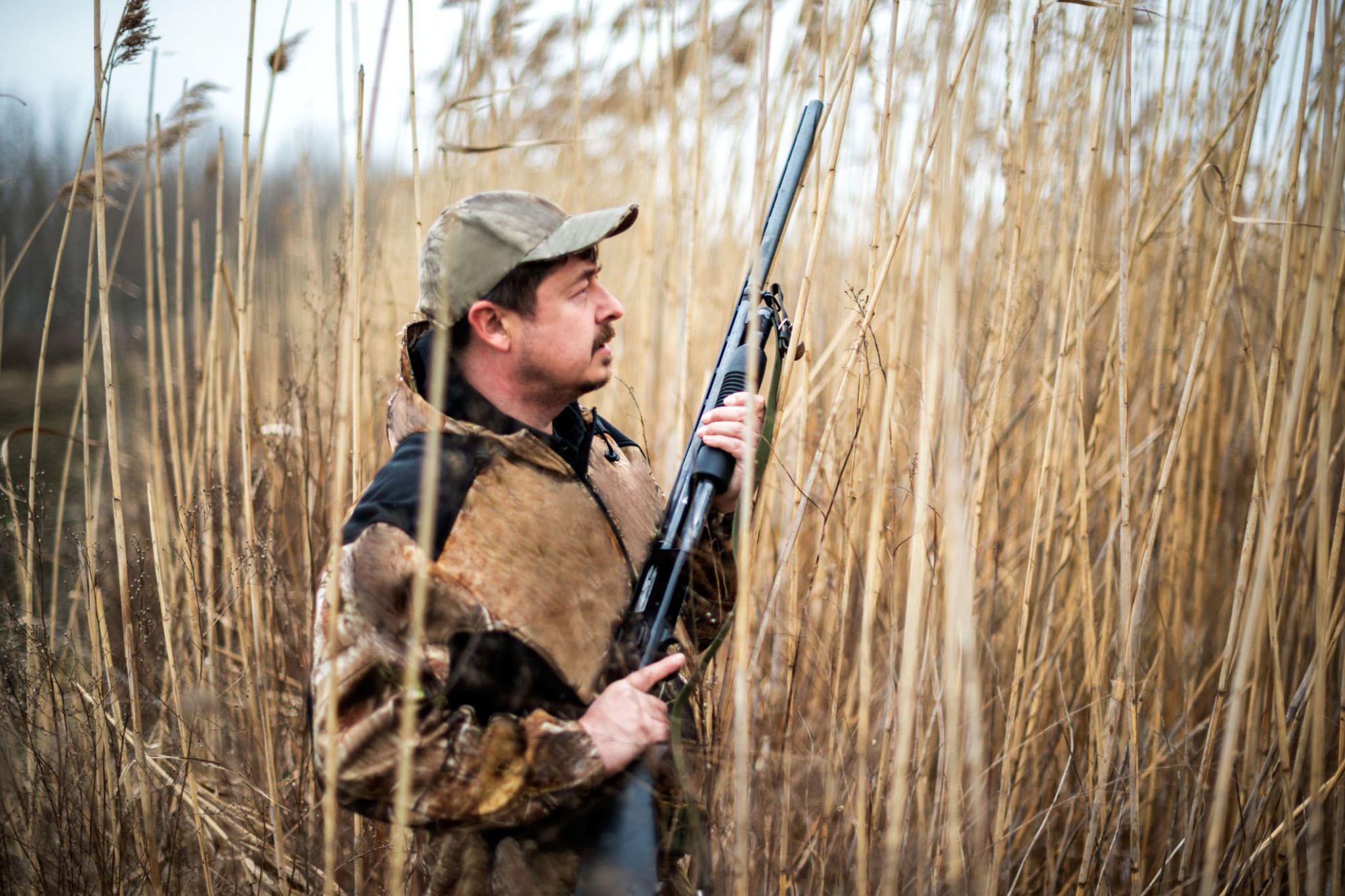
When the temperature drops and the north wind howls, waterfowlers know what’s coming — fresh ducks on the move. Cold fronts don’t just bring frost and ice; they carry new waves of migrators looking for open water and food. But while the weather may get them flying, your calling cadence is what convinces them to finish. Understanding how ducks respond to changing conditions during cold fronts is the difference between watching flocks pass overhead and seeing them drop into your spread.
This is the season when sound becomes strategy. Let’s break down how to match your calling rhythm, tone, and timing to the mindset of migrating birds during those classic cold-front days.
1. The Cold Front Effect: What’s Really Happening Up There
When a cold front sweeps through, it triggers two critical shifts that directly affect how ducks behave — and how you should call.
- Pressure Changes: Ducks feel barometric pressure drops long before the front arrives. That shift gets them restless and moving, often in large flocks.
- Wind and Temperature Swings: North winds and falling temps create ideal tailwinds for migration. Ducks travel farther, faster, and in tighter formations.
- Feeding Urgency: The colder it gets, the more calories they need. Freshly arrived ducks are hungry and aggressive but also cautious — they’ve been hearing calls all along the flyway.
Your goal as a caller is to read these conditions like a forecast — then adjust your sound to fit the mood of the birds.
2. Before the Front: Get Loud and Reach High
The 12–24 hours before a front hits are prime time for high-volume calling. Ducks are restless, weather is mild enough for flight, and birds are trading between feeding and roosting areas.
Now’s the time to be vocal and commanding.
- Hail Calls: Use long, strong hail calls to grab attention from high-flying migrators. Think bold, five- to seven-note bursts with clear breaks.
- Cadence: Try a sharp, rhythmic tempo — something like “Quack-quack-quack, quack-quack” — that carries in the wind.
- Timing: Call early when birds are still distant, then taper off as they start to swing your direction.
This is your “megaphone moment.” Ducks are alert, active, and responding to energy. Don’t be afraid to pour it on — but keep your notes clean and realistic.
3. During the Front: Calm, Controlled, and Confident
As the front hits, winds kick up, temperatures nosedive, and visibility drops. Ducks tend to fly lower, slower, and in tighter formations.
This is when overcalling can kill a setup. Your cadence should shift from aggressive to conversational.
- Soft Quacks and Contented Chatter: Mimic feeding ducks grounded in sheltered water.
- Fewer Notes, More Realism: Think “quack… quack-quack… chuckle” instead of long, loud strings.
- Call to Individuals, Not the Flock: Pick a lead bird or small group within the flight and direct your sound their way.
Remember — during a cold front, ducks are dealing with wind noise and fatigue. Subtle, confident calling that sounds natural will draw them better than a barrage of hail calls.
4. After the Front: Fresh Birds, New Opportunities
The day after a front is often the best day of the season. Skies clear, winds steady, and new flocks — often young, unpressured birds — arrive in your area.
Here’s where adaptability pays off:
- Start Loud: Use strong greeting calls to see what tone the new ducks respond to.
- Gauge Reaction: If they turn your way, back off and finish them with soft chatter or single quacks.
- Mix it Up: Try a few hen mallard cadences, then switch to drake whistles or pintail calls if the mix of birds demands variety.
Migrators after a front are opportunistic — they’re exploring new territory and looking for safety in numbers. Give them a reason to believe your spread is the right landing zone.
5. Reading the Flock: Timing Is Everything
Matching cadence isn’t just about the sounds you make — it’s about when you make them. Each stage of a duck’s approach tells you what to do next.
- At a Distance: Use longer, more commanding series to catch attention.
- Circling or Swinging Wide: Drop to a medium tone with steady rhythm to suggest contentment.
- Locked Up and Gliding: Go nearly silent — maybe a few soft feeding chuckles to seal the deal.
If birds flare, it’s rarely just your decoys — your timing may be off. The most skilled callers know when to stop calling just as much as when to start.
6. The Science of Sound in Cold Air
Cold air changes how your calls carry. Dense, dry air transmits sound more efficiently — meaning loud calls go much farther than in warm, humid weather.
That’s why volume control is key:
- On crisp, clear mornings, start quieter than usual — the ducks can hear you.
- On windy, gusty days, don’t be afraid to push more air and raise your tone.
- Always test your volume against natural duck chatter if birds are nearby.
A well-tuned acrylic or polycarbonate call handles cold better than wood, which can swell or crack in freezing temperatures. Keep a backup call inside your coat to prevent icing.
7. Cadence Tips for Common Duck Scenarios
High Migrators: Long, deliberate hail calls spaced with two-second pauses. You’re announcing presence, not begging.
Working Birds: Moderate five-note greeting followed by contented chuckles as they circle.
Late-Season Veterans: Minimal calling. One or two soft quacks, maybe a feeding murmur. These ducks have heard it all.
Wary Flocks Over Ice: Use realism — a single hen quack every 10 seconds can sound like life in a dead marsh.
8. Don’t Forget the Decoy-Sound Connection
Your calling cadence should complement what your spread looks like. If you’re running a tight, small group of decoys in a frozen pocket, tone down your call — mimic a relaxed flock staying put. If you’ve got motion decoys and open water, pick up the tempo to suggest active feeding birds.
The best setups sound alive — not loud, but layered. Pairing your cadence with ripples, spinner wings, and splashing sounds creates a complete sensory picture ducks can’t resist.
9. Practice the “Weather Shift” Routine
Just like scouting birds, practice for changing fronts. Set aside time before hunting season to run your calls at different speeds and pressures. Record yourself — listen for unnatural pauses or squeaks.
When a real cold front hits, you’ll already have muscle memory for adapting cadence. The hunters who can go from bold to subtle in seconds are the ones who fill straps.
10. Final Thoughts: Let the Weather Be Your Metronome
Cold fronts change everything — bird behavior, flight paths, feeding patterns, and the way sound carries through the air. If you can learn to “read” those changes and match your cadence to the mood of the migration, you’ll consistently turn distant flocks into committed shooters.
The trick isn’t calling more — it’s calling smarter. Every honk of wind, every drop in temperature, and every movement of the front is a cue. Tune in, adjust, and make your calls sound like a flock that belongs exactly where those ducks want to be.
Because when the barometer falls and the north wind kicks up, the migration doesn’t wait — and neither should your call.
