
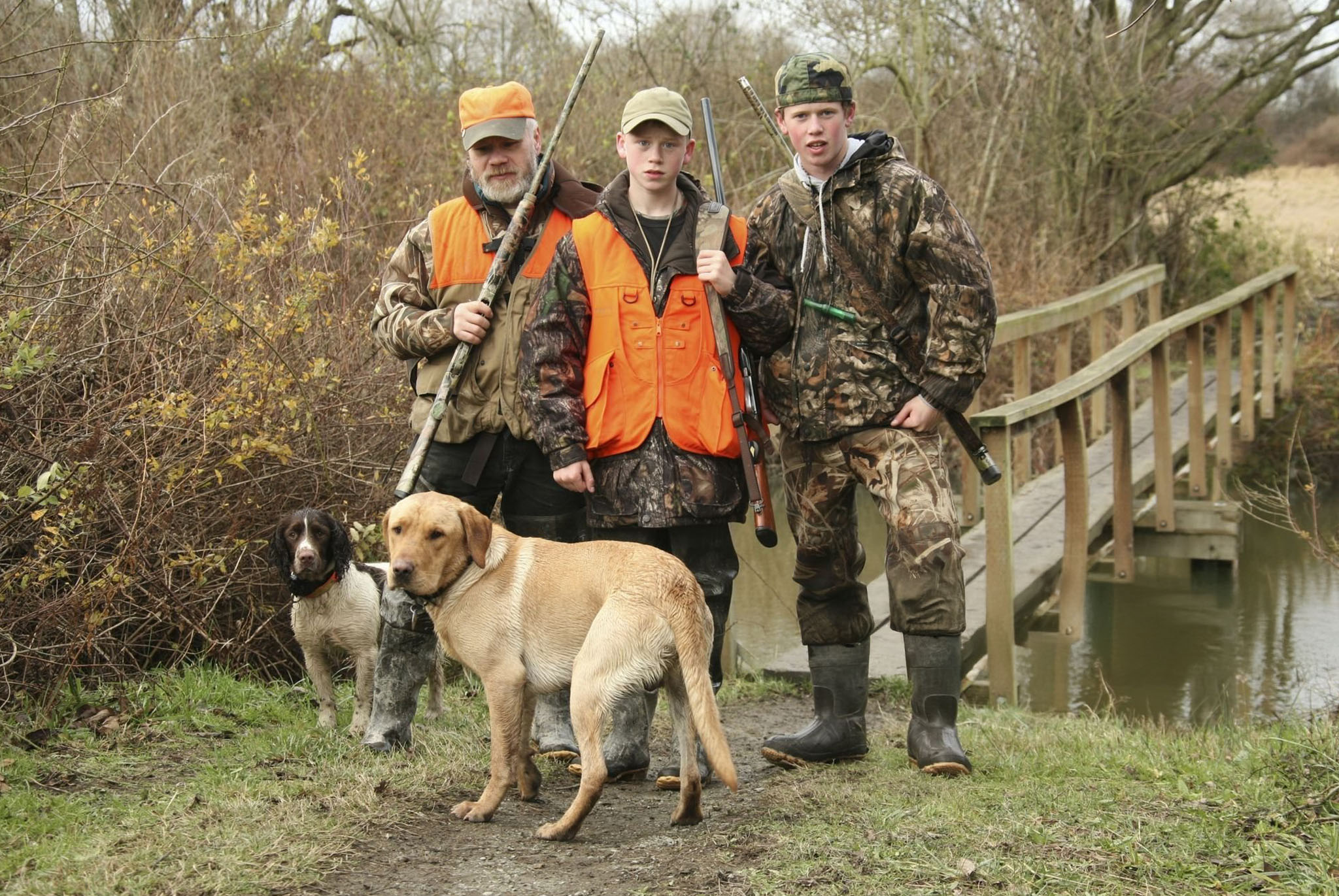
When the mercury drops and the marshlands freeze solid, waterfowl hunters face one of the season’s greatest challenges — finding open water. Ducks and geese are driven by survival, and when their traditional feeding and resting areas lock under ice, they move fast to find refuge. That’s when rivers, creeks, and spring-fed channels become your ticket to success. Hunting these open-water sanctuaries requires patience, knowledge, and a shift in tactics — but the rewards can be outstanding.
The Migration of Opportunity
By mid to late winter, the frozen marshes and shallow wetlands that once teemed with life become ghost towns. But ducks and geese don’t simply disappear — they relocate. Moving water, especially along rivers and creeks, often remains open due to current and thermal flow. These areas become vital sanctuaries where birds concentrate for both rest and food.
Mallards, black ducks, and even late-season divers gravitate to these open stretches, particularly where rivers cut through agricultural regions. Corn, soybeans, and grain fields nearby give birds the fuel they need to survive harsh conditions, and the open water offers safety from predators and freezing temperatures.
Scouting the Flowing Lifelines
Success begins with scouting. Unlike early-season hunts where ducks are spread across wide marshes, late-season waterfowl are concentrated — and that means precision matters.
Use aerial imagery and local maps to locate sections of rivers or creeks that are less likely to freeze. Focus on:
- Spring-fed tributaries where warmer groundwater enters the system.
- Shallow back-eddies protected from heavy current.
- Downstream from dams or spillways, where turbulence keeps ice from forming.
- Bends and oxbows that provide shelter from wind and offer loafing spots.
A pair of binoculars and early-morning glassing runs can save you time and effort. Look for birds loafing on sunny bends or lifting off for feeding flights at dawn — those are the clues you need.
Stealth and Setup in Tight Water
Once you’ve found a likely pocket of open water, stealth is key. Late-season ducks have seen it all — decoy spreads, spinning wings, and poorly hidden blinds. To fool these educated birds, blend your setup naturally into the riverbank.
Use driftwood, cattails, and snow-covered brush to break up your silhouette. Instead of a large decoy spread, try a minimal setup of a dozen or fewer decoys, positioned in the current to look natural. Late-season ducks are wary of big flocks — smaller groups feel more authentic in cold conditions.
If possible, use a jerk cord or small current-based motion decoy to simulate natural movement. Stillness on the water signals danger to late-season birds.
Timing the Hunt
When hunting river systems in the freeze, timing is everything. Birds often move between open roost water and nearby feeding fields at predictable times:
- Morning flights: Birds leave open water to feed in nearby fields. Setting up on flight paths or edges can be productive.
- Midday loafing: Ducks and geese return to rest on open stretches once the sun warms the air slightly.
- Evening returns: Birds head back to open refuge before sunset.
In frigid conditions, those midday hours can be your best bet — not only are birds more relaxed, but the rising sun makes concealment and shooting more manageable.
Safety in the Deep Freeze
Hunting rivers in the coldest months demands respect for nature’s edge. Ice shelves can break underfoot, and strong currents can pull you under before you realize what’s happening. Always wear a personal flotation device or insulated waders with a belt to prevent flooding. Bring a buddy, a throw rope, and dry layers in case you go in. No duck is worth a dangerous risk.
Gear That Handles the Cold
Late-season river hunts test your gear like few other pursuits. To stay safe and effective:
- Waders: Go for 5mm neoprene or insulated breathable waders that keep you mobile while staying warm.
- Boots: Insulated waterproof boots like Trudave’s winter deck or hunting boots prevent frostbite on icy banks.
- Jacket and Gloves: Layer up with moisture-wicking base layers and a windproof shell.
- Decoys: Use weighted keel decoys that can withstand current and ice buildup.
Reading the Flow
A river’s current tells a story. Birds prefer slower-moving water where they can rest, preen, and conserve energy. Look for spots where debris or foam collects — those indicate slow water zones. In tight channels, a few yards of difference can make or break your setup.
If you notice birds rafting downstream, don’t chase them. Instead, identify the next likely resting pocket — they’ll often cycle through the same spots throughout the day.
Conclusion: Follow the Flow
When the marshes freeze and the world turns white, the rivers stay alive — and so should your hunt. By focusing on open water, adapting your setup, and respecting the challenges of cold-weather river hunting, you can experience some of the most rewarding and scenic waterfowl hunts of the year.
The deep freeze doesn’t end the season; it just shifts the game. The birds know where to go. The question is — will you be there waiting?
