
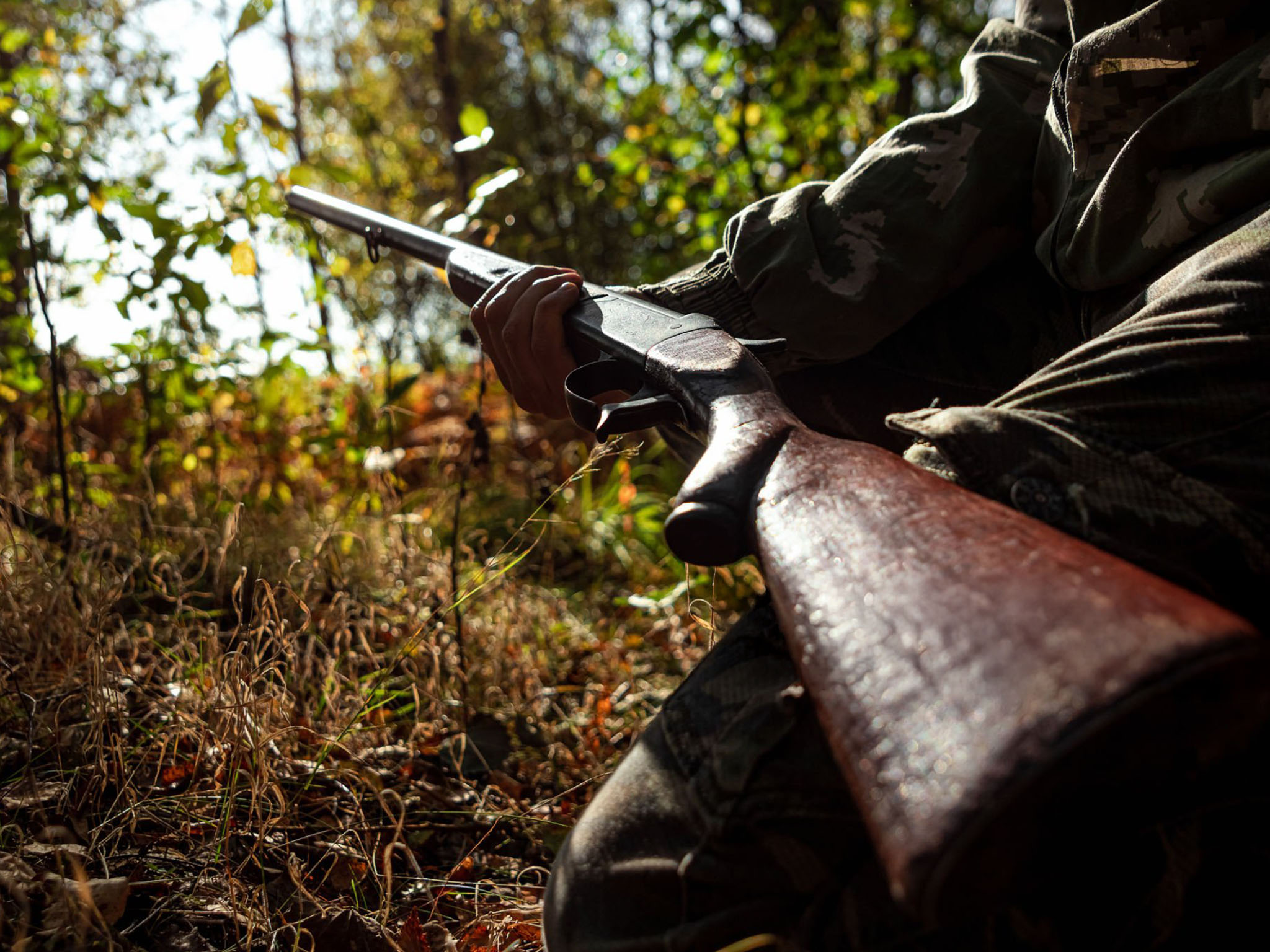
As November settles in and the air grows sharp with frost, deer movement changes in ways only the observant hunter can decode. The rut is either peaking or winding down, and mature bucks — worn from weeks of chasing — begin to slip back into predictable feeding and recovery patterns. This is when feeding zone funnels become the ultimate ambush locations. Understanding how deer transition between bedding and food sources during cold weather can mean the difference between another empty stand and the trophy you’ve waited all season for.
The November Shift: From Frenzy to Survival
By mid to late November, whitetail behavior changes dramatically. The chaos of the rut slows as does the frantic chasing. Bucks, often leaner and tired from constant movement, shift their focus from breeding to replenishing calories. Cold weather accelerates their need for nutrition, driving them to feed more frequently — often in daylight hours if the conditions are right.
But the catch is this: they’re no longer reckless. Post-rut bucks are cautious, wary, and more dependent on secure travel corridors that connect food and cover. This is where your knowledge of terrain and feeding zones becomes the most powerful tool in your arsenal.
Understanding Feeding Zone Funnels
A “funnel” is any natural or man-made feature that narrows deer movement through a defined path. When paired with a late-season feeding area — such as a standing cornfield, soybean stubble, or oak ridge — these funnels become prime intercept points for bucks slipping between bed and feed.
Common examples include:
- Creek Crossings: Bucks often follow waterways that offer concealment, using shallow crossings to move safely between cover and feeding zones.
- Field Edges and Timber Cuts: The seam between dense timber and open field often funnels traffic, especially if there’s leftover acorns or winter wheat.
- Draws and Saddles: Terrain depressions and gentle ridges help deer conserve energy and stay hidden during movement.
- Fence Gaps or Old Logging Roads: Even subtle breaks in obstacles can dictate consistent travel routes.
These areas naturally compress deer activity — making them ideal for stand or blind placement, particularly when temperatures plummet and movement becomes energy-driven.
Reading the Sign: Late-Season Intel
November’s chill leaves a clear story on the landscape if you know where to look. Frost-hard trails, freshly turned leaves, and muddy hoofprints reveal movement patterns. Look for:
- Tracks leading from thick cover to open feed. Mature bucks prefer security cover close to food — the shorter the route, the better.
- Droppings and rub lines along transition zones. Rubs made this late often mark post-rut dominance areas or corridors bucks use repeatedly.
- Wind-sheltered movement. Deer prefer to travel with wind advantage or through natural windbreaks like creek bottoms and pine thickets during frigid weather.
Game cameras placed on these funnels, especially along edges between bedding and food, can provide round-the-clock intel without overpressuring the area.
Timing and Tactics for Cold-Weather Hunts
The combination of short daylight, cold temperatures, and increased feeding urgency plays in the hunter’s favor — but timing is critical.
Morning Hunts:
Bucks often return from feeding zones to bedding areas later in the morning, particularly after a frosty night. Set up downwind of a funnel leading into a bedding area, where thermals pull your scent downward as the sun rises.
Evening Hunts:
When temperatures drop and wind dies, deer emerge from cover to feed. Position yourself between bedding and food — never directly on the field edge — to catch bucks staging before dark.
Cold Front Advantage:
Just before or right after a cold front passes, deer activity spikes. Falling barometric pressure and a sharp temperature drop trigger a strong feeding response. That’s your window.
Perfecting the Setup
In November’s chill, a poorly chosen stand can cost you both comfort and opportunity. Consider these factors when fine-tuning your funnel ambush:
- Wind Direction: Always position your stand downwind or crosswind of the expected trail. Mature bucks will circle downwind before committing.
- Entry and Exit Routes: Avoid walking through feeding areas. Approach from the opposite side of deer movement, even if it means a longer hike.
- Scent Control: Cold, dry air carries scent farther. Wash, spray, and store your gear properly — then hunt with the wind, not against it.
- Comfort Counts: Late November hunts are long and cold. Insulated boots, hand warmers, and windproof layers keep you sharp when the action happens.
The Psychology of Late-Season Success
By the time Thanksgiving rolls around, many hunters have packed it in. But the late-season woods reward persistence. Bucks are predictable, food-focused, and less pressured — if you play the wind and understand their routes.
The magic of the feeding zone funnel lies not in luck, but in observation. The smallest pinch in terrain or shift in deer trails can reveal a pattern that leads straight to a cautious, heavy-bodied buck on a frosty morning.
Final Thoughts
November hunting isn’t just about chasing the rut — it’s about reading nature’s transitions. When you learn to identify how deer move between feeding zones in cold weather, every ridge, draw, and fenceline becomes a clue. The next time frost coats your boots and your breath hangs in the still air, remember: the big ones are moving — not far, not often, but predictably.
If you’ve done your scouting, picked the right funnel, and trusted the wind, November’s chill may just bring your warmest moment of the season.
