
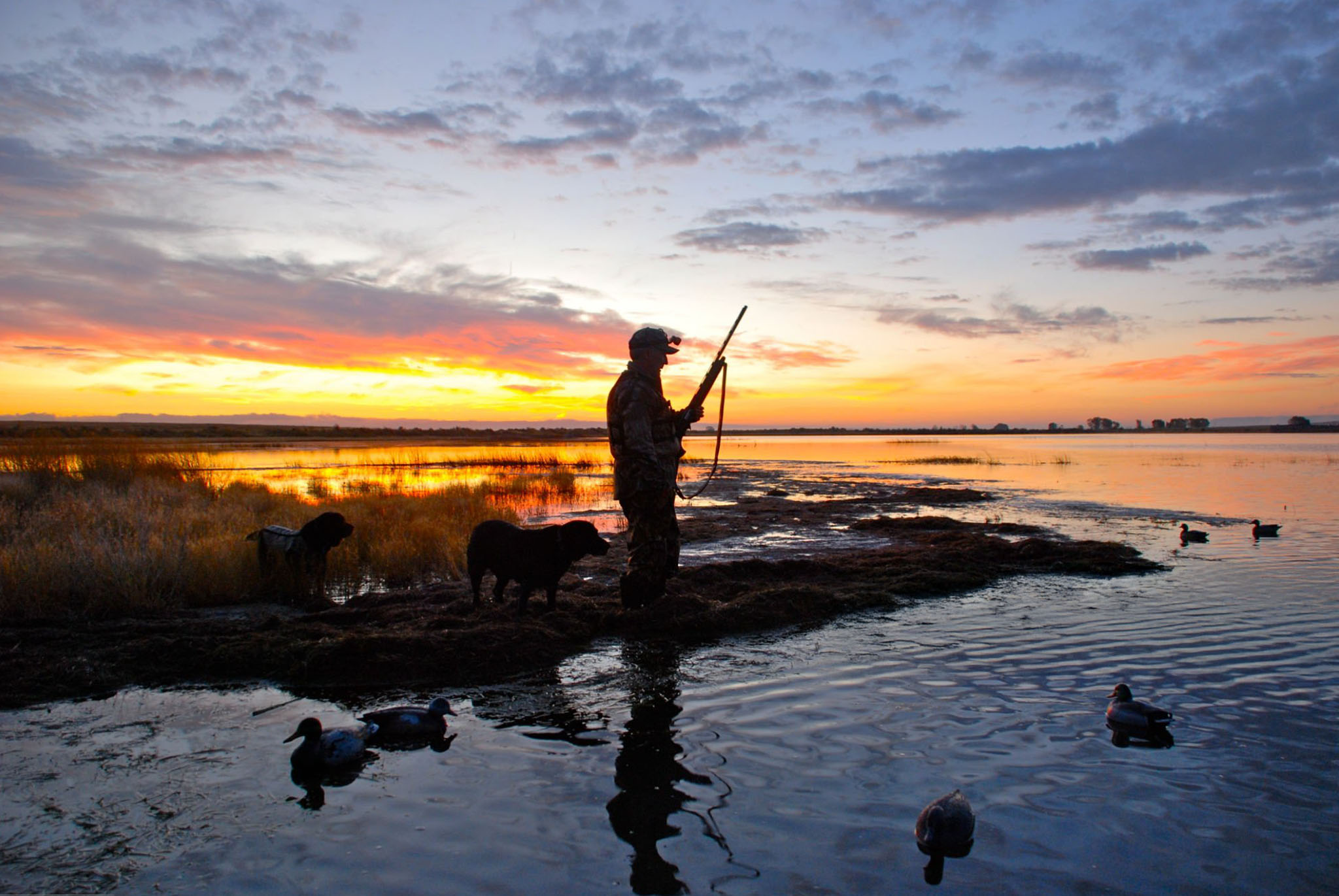
When temperatures plunge and most marshes start to lock up with ice, many waterfowlers hang up their waders and call it a season. But for those who know where to look, the backwaters — those narrow creeks, hidden coves, and ice-edged sloughs — can become the last strongholds of late-season ducks. These quiet, overlooked areas often hold the biggest concentrations of mallards and wood ducks when the main lakes and big marshes freeze over.
Late-season hunting in icy backwaters is a challenge that rewards patience, scouting, and adaptation. Let’s break down how to find these hidden hotspots, how to hunt them safely, and what tactics make the difference when ducks get wary and the cold bites hard.
🦆 1. Why Ducks Flock to Backwaters in the Freeze
When surface water begins to ice over, ducks seek refuge in spots where water movement prevents freezing. These locations are often shallow creeks, spring-fed marshes, or small river bends with just enough current to stay open.
The appeal of backwaters comes down to three main factors:
- Open Water Access: Even a few yards of open water can attract hundreds of ducks when surrounding areas are locked in ice.
- Thermal Protection: Trees, brush, and terrain shield these areas from wind, making them warmer and more comfortable for resting birds.
- Food Sources: Ducks continue to feed on acorns, invertebrates, and leftover aquatic vegetation along muddy banks and creek bottoms.
In short, backwaters are ducks’ version of a winter oasis — warm, quiet, and full of food.
❄️ 2. Scouting Hidden Water When Everything Else Is Frozen
Late-season scouting isn’t about covering big lakes with binoculars — it’s about exploring overlooked corners. Use topographic maps and satellite imagery to locate small feeder creeks, oxbows, or drainage cuts that connect to larger water systems.
Then, focus your boots-on-the-ground scouting on:
- Moving water: Springs, drain tiles, and small inlets often keep just enough current to resist freezing.
- Thermal pockets: South-facing coves or timbered banks trap sunlight and thaw faster.
- Duck sign: Fresh tracks, droppings, or feather piles in snow are giveaways that birds are feeding or roosting there.
Tip: If you see vapor rising from a creek on a frigid morning, you’ve likely found a thermal spring — one of the most reliable open-water refuges ducks use all winter.
🏕️ 3. Building a Backwater Blind That Blends Naturally
In these tight, frozen environments, concealment is everything. Ducks in late season have been pressured for months, so even a glint of metal or a straight-edged blind can flare a flock instantly.
- Use what’s around you: Cut willow branches, cattails, or reeds to build your hide directly into the bank. Avoid synthetic materials that reflect light or freeze stiff.
- Stay low and shaded: Position yourself with the sun or heavy cover behind you — natural shadows do most of the work.
- Keep movement minimal: When ducks are circling, freeze completely. In cold air, even your breath can flash like smoke.
Portable layouts or small pop-up blinds work well if you’re hunting from a kayak or small boat, but the most effective blinds look like part of the frozen landscape.
🪶 4. Decoy Spreads That Work in Tight Water
In narrow creeks or half-frozen marsh pockets, less is more. Big, sprawling spreads look unnatural in small spaces and can even block landing zones.
Instead, set up a minimalist spread:
- 6 to 12 decoys arranged in a loose, natural line following the creek’s flow.
- Add a few sleeper or resting decoys on the ice edge to mimic relaxed birds.
- Leave a landing pocket downwind — ducks will naturally try to land facing into the wind and into open water.
Movement is critical when hunting ice. A jerk cord or battery-powered rippler can keep a hole open and add the lifelike motion that attracts wary late-season ducks from afar.
🌬️ 5. Reading Wind and Sunlight in Backwater Hunts
The interplay between sunlight and wind can make or break your setup in cold, sheltered water.
- Morning hunts: Position yourself so the rising sun is at your back — it blinds incoming ducks and hides your movement.
- Light winds: In still air, decoy motion becomes even more vital. If possible, place decoys where natural current creates ripple.
- Strong winds: Seek bends or pockets that are slightly sheltered. Ducks will prefer calm water for landing and feeding.
Remember, in confined creeks, even subtle wind shifts can change how birds approach. Be willing to reposition mid-hunt if your landing zone isn’t working.
🧊 6. Staying Safe in Ice-Edge Conditions
Backwater hunts can turn dangerous quickly if you’re not cautious. Ice that looks solid may only be a thin crust covering deep, cold water.
- Always test ice thickness with a pole or spud bar before stepping out.
- Use a life vest under your waders — it won’t hinder your movement and could save your life.
- Avoid wading near undercut banks or where current runs beneath the ice.
- Keep a rope and dry clothes in your vehicle or blind area in case of emergency.
Never underestimate how quickly hypothermia can set in, even in shallow water.
🦢 7. Calling and Behavior: Reading Late-Season Ducks
By December or January, ducks have heard every call in the book. Overcalling in tight quarters often does more harm than good.
- Start with subtle single quacks or contented chatter, mimicking resting birds.
- Let your decoy motion and realism do most of the talking.
- If ducks circle but don’t commit, try quiet feeding chuckles or simply go silent — sometimes stillness convinces them more than sound.
Realism is the goal. Late ducks have learned the difference between natural and manmade — and in icy marshes, authenticity wins every time.
🔥 8. Gear Tips for the Frozen Marsh
Cold-weather gear can make or break your hunt. Every piece must resist moisture, insulate, and stay flexible even when frozen solid.
- Neoprene or insulated waders are a must — choose ones with thick boots and thermal lining.
- Keep handwarmers in your pockets to maintain dexterity for calls and triggers.
- Carry extra dry gloves and socks — water always finds its way in.
- Protect your gun: apply a thin coat of non-freezing lubricant, and avoid heavy oils that stiffen in the cold.
A lightweight sled or pack raft also helps haul decoys and gear through frozen mud or shallow ice safely.
🏞️ 9. Respecting the Refuge
Late-season ducks are under immense survival stress. Hunt ethically — take only clean shots, avoid roost areas, and minimize disturbance to other wildlife using those warm-water sanctuaries. Leaving the habitat undamaged ensures it remains a refuge year after year.
🪶 Final Thoughts: The Reward of the Frozen Backwater
Hunting icy creeks and frozen marsh edges isn’t for everyone. It’s cold, uncomfortable, and often requires more effort than open-water setups. But for those who venture into the frostbitten backwaters, the rewards are unmatched — the echo of wings slicing through still winter air, the sight of greenheads dropping into steaming open water, the satisfaction of earning every bird through grit and knowledge.
When most hunters pack it in, you’ll be out there in the backwaters, where the last ducks of winter still fly.
