
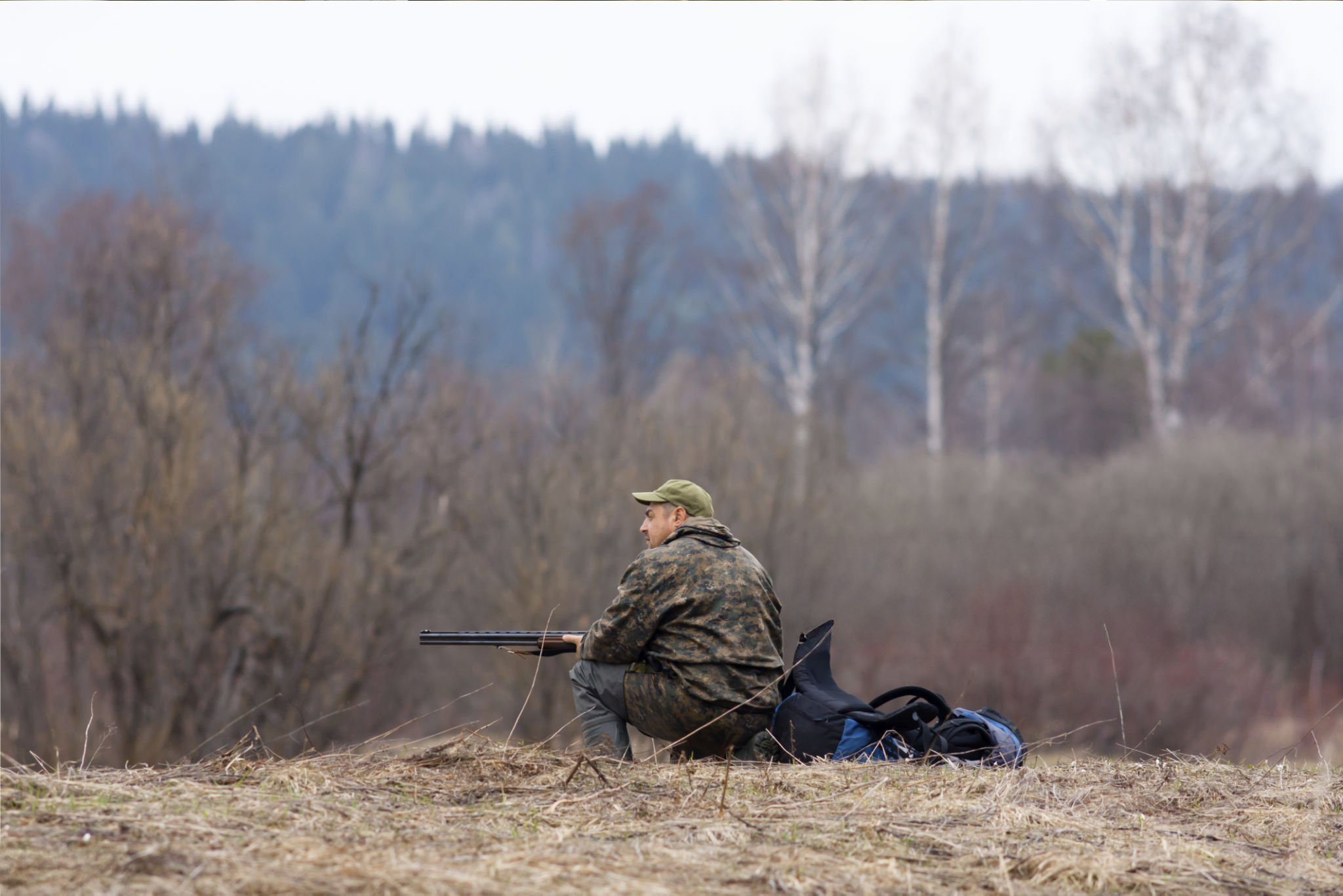
By the time late season rolls around, the woods grow quieter. The blaze-orange armies are gone, the easy patterns have faded, and the deer seem to have vanished into thin air. The frost is thicker, the sits are longer, and the shots—if they come at all—are few and far between. Yet for hunters who stay the course, the late season is when skill, grit, and patience rise above luck.
Late-season hunting isn’t about numbers; it’s about mental endurance, precision, and reading the smallest details when nature offers no forgiveness. This is when the casual hunter quits—and the serious hunter cashes in.
1. The Mental Game: Persistence Over Comfort
When temperatures plunge and daylight wanes, most hunters pack it in. But late-season success starts with the right mindset: you must be mentally tougher than the cold and more patient than the deer.
Hunting this time of year isn’t glamorous. You’ll fight frozen zippers, stiff fingers, and quiet woods that test your focus. But every sit teaches discipline. Every frosty sunrise strengthens your edge.
Mental Sharpening Tips:
- Set Realistic Expectations: You’re no longer hunting rut-crazed bucks—you’re hunting survivors. Fewer sightings don’t mean failure.
- Stay Consistent: The guy who shows up every day when it’s miserable outside is the one who eventually fills the tag.
- Focus on Small Wins: Fresh tracks in the snow, a deer slipping through the timber, or even confirming a feeding pattern are all progress markers.
As seasoned hunters say, “Late-season success is earned in layers—both of clothing and commitment.”
2. Understanding Late-Season Deer Behavior
By late December or early January, deer behavior is completely different than during the rut. Bucks that once chased does in daylight are now conserving energy and avoiding exposure. They’re keyed into survival—food, cover, and minimal movement.
Key Shifts to Note:
- Food Becomes King: After the rut, deer need calories. Focus your efforts around high-energy food sources—corn, soybeans, acorns, or turnips.
- Thermal Bedding: Cold-weather deer bed on south-facing slopes, near dense cover that blocks the wind but lets in warmth.
- Limited Movement Windows: Deer move less overall, often only during the warmest hours of the day or just before dark.
Late-Season Strategy:
Scout food sources from a distance, glass with patience, and hunt with precision. You don’t get many chances this time of year—make every sit count.
3. Gear Discipline: Streamline for the Cold
Late-season hunting gear can make or break you. The goal is to stay warm without losing mobility or alertness. A shivering hunter rarely makes a steady shot.
Layer Like a Pro:
- Base Layer: Merino wool or synthetic wicking material—keep moisture away from the skin.
- Mid Layer: Fleece or wool insulation to trap body heat.
- Outer Layer: Windproof and waterproof shell that cuts chill but stays quiet.
Smart Additions:
- Hand warmers and insulated boot covers for long sits.
- Quiet fleece gloves for dexterity when handling weapons.
- A thermos of coffee—not just for comfort, but morale.
Late season isn’t about having the fanciest gear—it’s about having the right gear for endurance. You can’t focus on movement patterns if you’re too cold to sit still.
4. Strategy Over Sightings: Playing the Long Game
In the late season, deer sightings can be rare, but each one means more. You’re playing a chess game where every move must be deliberate.
Smart Tactics Include:
- Micro Adjustments: Move your stand or blind 20–30 yards if patterns shift. Don’t abandon a good area too soon.
- Low-Impact Scouting: Use optics or trail cameras to gather intel instead of stomping through bedding zones.
- Timing Hunts with Weather: A warming trend after a cold snap often triggers feeding sprees. Watch for high-pressure systems and shifts in wind direction.
Remember, you’re not hunting deer—you’re hunting moments. Moments when weather, food, and pressure align in your favor.
5. Late-Season Motivation: The Reward in the Grind
There’s something deeply satisfying about being the last one in the woods. The silence. The stillness. The feeling that you’re alone with nature’s rawest elements.
Late-season hunters don’t chase comfort—they chase closure. The final chance to test themselves, to use every ounce of skill learned over the year.
Stay Sharp by:
- Reviewing trail cam data weekly—patterns shift quickly.
- Practicing steady shooting in cold conditions—gloves and stiff muscles change your mechanics.
- Staying positive—mental burnout ruins more hunts than weather ever will.
When others hang it up, that’s when your advantage begins. The late-season woods are a place of purity, where every success feels earned.
6. Closing Thoughts: The Hunter Who Endures
The late season isn’t about luck or timing—it’s about character.
When the snow crunches under your boots and your breath fogs in the cold, you realize the hunt is no longer just about the deer. It’s about endurance, patience, and commitment to the craft.
Because when most hunters hang it up, the woods belong to the few who stay.
So stay sharp. Stay humble. And when that final opportunity steps out into the frost-covered clearing, you’ll be ready—because you never quit when the season got hard.
