
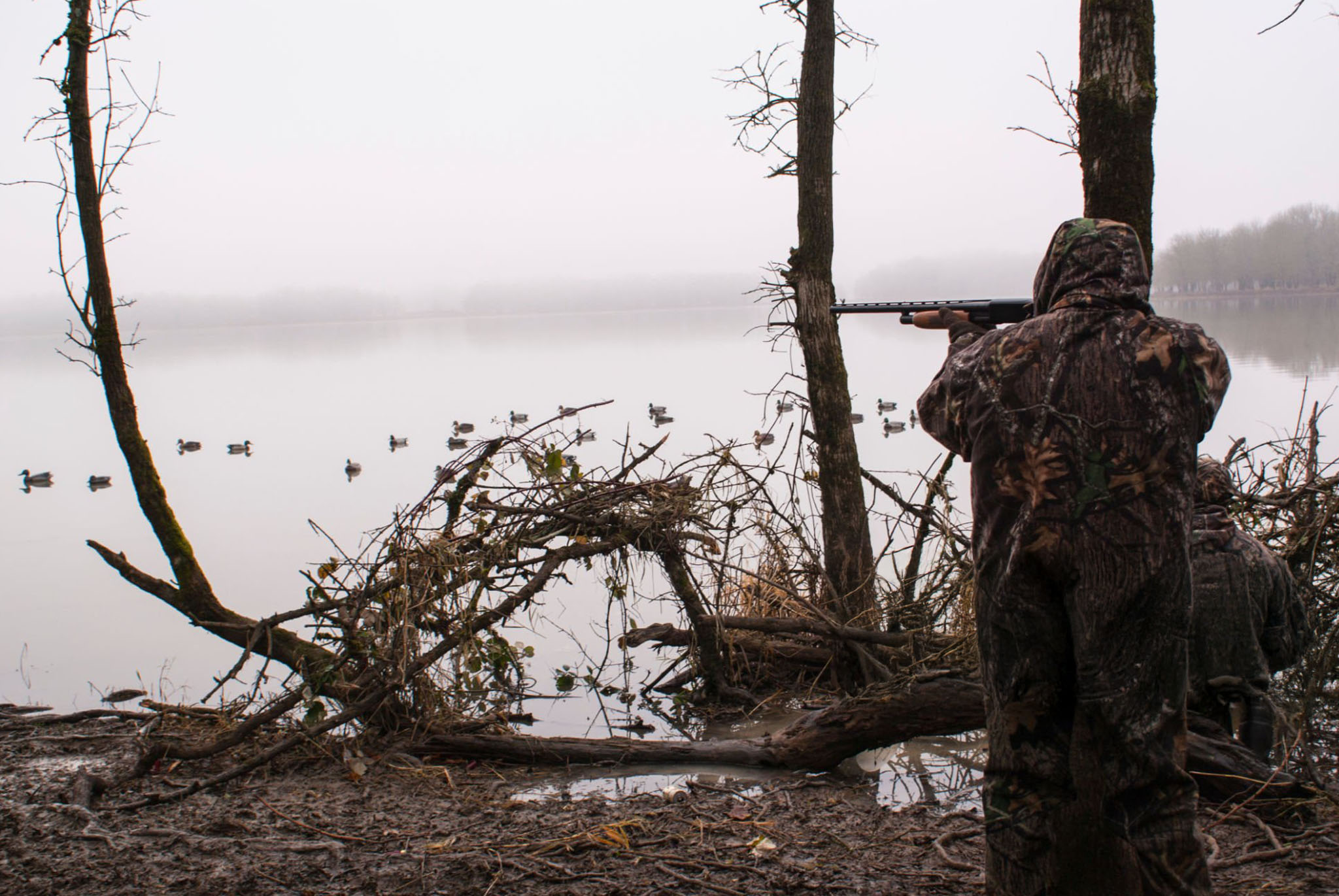
When the first skim of ice coats the marsh and your decoys start freezing into place, you know it’s serious duck season. The birds have been hunted for months. They’ve seen every decoy spread and heard every call. Now, in the biting cold of late season, small adjustments in your setup can mean the difference between a flock flaring high and a limit in the blind. Frozen mornings demand a new playbook — one built around realism, movement, and reading the ice.
The Challenge of Icy Waterfowl Hunts
By the time the marshes start locking up, ducks have adapted to pressure and weather alike. They’re flocking to the last bits of open water they can find, often huddled in tight groups and conserving energy. For hunters, that means the old early-season tactics — wide decoy spreads and loud hail calls — won’t cut it anymore.
When temperatures drop below freezing, the environment itself changes the game:
- Ice limits open water, shrinking the birds’ landing zones.
- Movement becomes crucial, as still decoys look lifeless.
- Sound carries differently in cold, dense air.
- Ducks respond more to subtlety and realism than to volume.
Late-season success is about mimicking what the ducks are really doing — conserving warmth, grouping tightly, and feeding in small, open patches of water.
Open Water is Gold
On a frozen morning, your first job is to find or make open water. Ducks crave it, and they’ll flock to any spot that looks natural and ice-free.
- Scout the day before: Look for moving water from small creeks, springs, or wind-exposed areas that resist freezing.
- Break ice smartly: Don’t just smash a hole in the marsh. Create an irregular, natural-looking shape. Use a spud bar or your boots to make ragged edges, not perfect circles.
- Keep it open: Use decoy agitators, jerk rigs, or even a battery-powered bubbler to keep the hole moving. Ducks are drawn to motion, especially when everything else is locked up.
Pro Tip: Ducks on ice-free pockets often land right on the edge of the open water. Leave room for them — don’t cover the entire hole with decoys.
Tighten Your Spread
Early in the season, wide, scattered decoy spreads signal relaxed, feeding birds. In sub-freezing conditions, ducks huddle together to share warmth and protection. Reflect that in your layout.
- Cluster decoys close — sometimes nearly touching.
- Mix in a few resting or sleeper poses instead of all upright birds.
- Use species-accurate groupings — mallards with mallards, pintails with pintails — as winter flocks are more segregated by type.
If you’re hunting small holes or narrow channels, 10–15 decoys may be plenty. A realistic setup beats a big spread every time in cold conditions.
Add Life to a Frozen Spread
Even a perfect spread looks dead without movement. When the temperature drops and the wind goes still, your decoys need help to look alive.
Here’s how to add motion without spooking ducks:
- Jerk Strings: Cheap, simple, and incredibly effective. A few pulls create ripples that bring your whole spread to life.
- Pulsators or Swimmers: Battery-powered decoys that churn water and keep the hole ice-free.
- Wind Socks or Flag Decoys: On breezy mornings, they can simulate liftoff movement and catch the birds’ attention.
Avoid spinning-wing decoys in freezing conditions. Late-season ducks have seen plenty, and overusing them can flare wary flocks.
Use Ice to Your Advantage
A frozen marsh isn’t always a curse — it can work in your favor. Ice helps funnel ducks into predictable landing zones and keeps them concentrated on the only open water left.
- Set up along the edge of ice holes where ducks naturally land.
- Add a few “ice walkers”: Place a couple of decoys half on the ice and half in water to mimic resting birds.
- Keep it natural: Scatter some broken ice chunks around to make the open hole look wind-driven, not man-made.
Calling Less, Watching More
In cold, clear conditions, sound travels far. Ducks can hear you from much greater distances — but that doesn’t mean they’ll respond better. Late-season birds have been educated by months of overcalling.
- Use softer, more conversational tones.
- Stick with feed chuckles, soft quacks, and drake whistles.
- Call only when needed. If a flock is already working toward you, put the call down and let your spread do the talking.
Sometimes, silence and realism are your strongest tools.
Concealment Matters More Than Ever
With bare vegetation, low sun angles, and reflective ice, concealment becomes critical.
- Use natural cover — reeds, cattails, or willows — to blend your blind into the environment.
- Cover shiny gun barrels, boots, and faces.
- Snow camo or frosted gear helps match the frozen surroundings.
Ducks see movement faster against the still white backdrop of winter. Stay still, stay low, and let the birds commit before shouldering your gun.
Timing the Flight
As temperatures plummet, ducks feed later in the morning when the ice softens and food becomes accessible.
- Mid-morning hunts (9–11 a.m.) often outperform early dawn shoots in freezing weather.
- Watch for birds returning from nearby fields — these “trade ducks” often swing low over open pockets of water looking for rest spots.
The best hunts happen when you resist the urge to leave early. Stick it out through the cold — that late flight could be your limit.
Gear Up for the Cold Grind
Frozen marsh hunts demand more than skill — they require the right gear to stay safe and functional.
- Insulated waders: Keep you dry when breaking ice; models like Hisea waders or Trudave neoprene waders offer warmth and flexibility.
- Waterproof gloves: Essential for handling decoys and ice.
- Hand warmers and layering: Staying warm keeps you still — stillness keeps you invisible.
- Dry backup gear: Always bring extra gloves, socks, and shells; everything freezes faster than you think.
Final Thoughts
When the marsh turns to glass and your decoys crust over with ice, most hunters call it quits. But for those who adapt — who understand how ducks behave in bitter cold — the frozen mornings can be the most rewarding of the season.
By tightening spreads, adding movement, and matching your setup to natural behavior, you transform an icy obstacle into an advantage. Late-season duck hunting isn’t about luck — it’s about precision, patience, and understanding the frozen rhythm of the marsh.
