
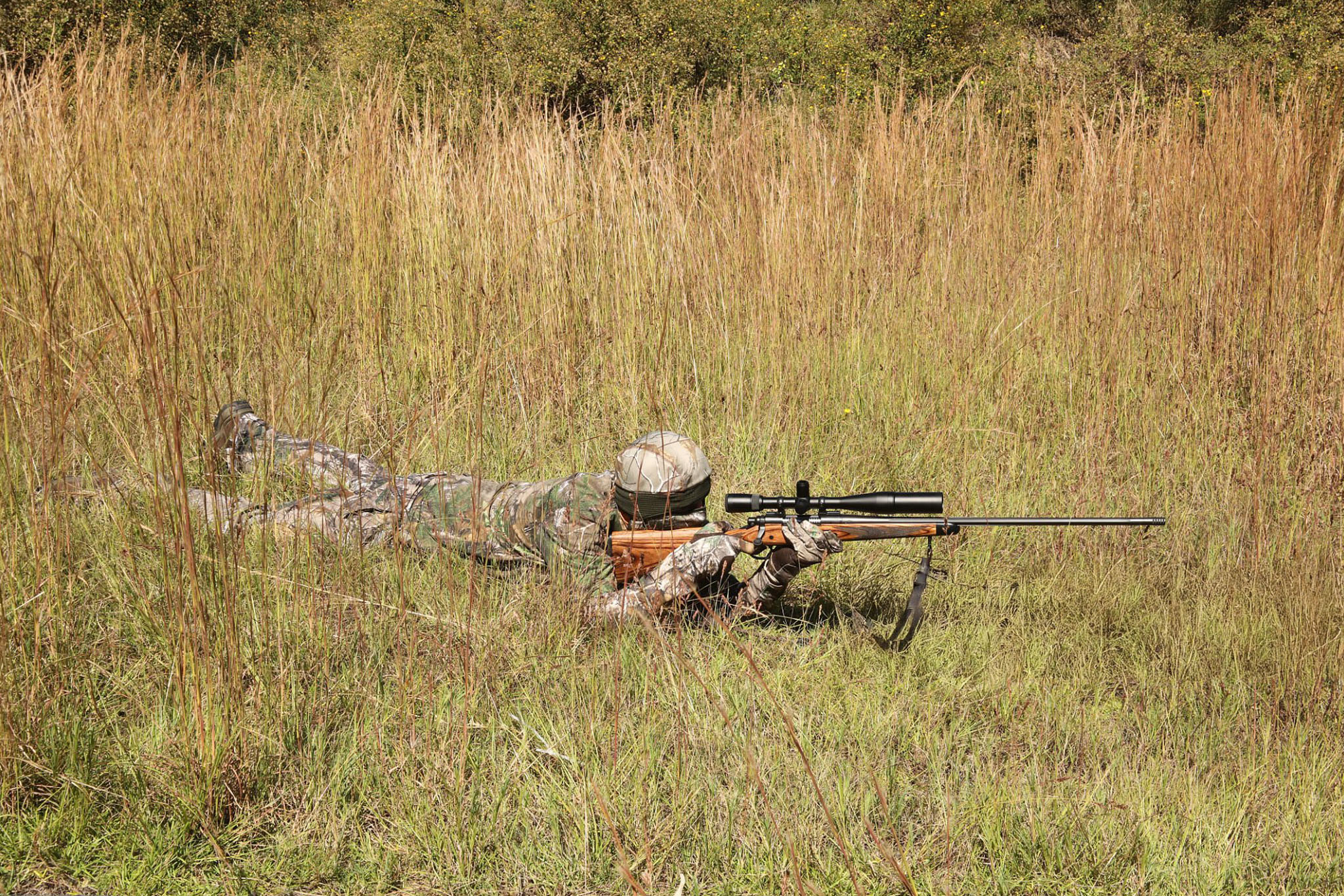
When the mercury drops and the woods fall silent, many hunters pack it in—believing deer movement slows to a crawl. But those who understand how deer use transition zones in cold weather know the truth: the edges are alive with subtle, strategic movement. Mastering these boundary lines—where habitat types meet—can transform your cold-weather hunts from long, frozen sits into productive ambushes.
Understanding Transition Zones
A transition zone is the meeting point between two different habitat types—think where hardwoods fade into thick cedar cover, or where a cut cornfield meets a brushy treeline. These areas provide both security and access to food, the two things whitetails prioritize when temperatures drop.
Deer use these zones as travel corridors, slipping along edges to stay hidden while moving between bedding areas and food sources. In cold weather, they rely on these routes even more, minimizing exposure to wind and open ground.
Key Insight: During late fall and early winter, deer often move just inside the edge, using vegetation cover as a natural shield from predators and hunters alike.
Why Edges Excel in the Cold
When the landscape freezes over, energy conservation becomes crucial for deer. They won’t wander aimlessly; instead, they’ll take the path of least resistance—often along well-defined edges that connect thermal cover to food plots or acorn flats.
These areas offer:
- Thermal Protection: Trees or brush cut wind chill and hold heat.
- Concealment: The broken backdrop of mixed vegetation keeps deer hidden.
- Access: Easy movement between feeding and bedding zones without exposure.
On bitterly cold mornings, edges facing east or south warm first as the sun rises. Deer often use these spots to soak up warmth before venturing farther into open feeding grounds.
Scouting for Productive Transition Lines
Finding the right edge is more than picking a random treeline. It takes boots-on-the-ground scouting and an understanding of deer behavior.
Look for:
- Tracks and Trails: Fresh prints in snow or mud that parallel the edge.
- Droppings and Rub Lines: Bucks mark territory along travel corridors.
- Bedding Pockets: Small thickets within 50–100 yards of open fields.
- Thermal Cover: Evergreens or dense shrubs that block prevailing winds.
Pro Tip: Use mapping apps like OnX or HuntStand to identify topographic “funnels” where multiple habitat edges converge—these are natural pinch points for an ambush.
Setting Up the Perfect Edge Ambush
Once you’ve found the right zone, it’s all about stealth and positioning.
1. Play the Wind:
Always set up downwind of the deer’s expected path. Cold air sinks, so be mindful of how thermals move—especially at dawn and dusk.
2. Blend In Naturally:
Avoid setting blinds or stands directly on the edge line. Instead, tuck 10–20 yards inside cover where your outline is broken up.
3. Use Terrain to Your Advantage:
Natural dips, ditches, and small rises can keep you hidden as you approach your stand. Deer will often follow the same features, using them for low-profile movement.
4. Hunt the Temperature Swings:
During major cold fronts, deer feed aggressively just before and after the temperature plummets. That’s when edge activity peaks.
When to Hunt Transition Zones
Timing is everything.
- Early Morning: Bucks leaving feeding fields skirt edges back to bedding.
- Late Afternoon: Deer reappear along the same routes heading out to feed.
- Post-Rut & Late Season: Mature bucks conserve energy and stay close to thick cover—transition zones become their highways.
In sub-freezing temperatures, deer often move later in the morning when the sun softens the chill. Don’t leave the stand too early.
Cold-Weather Gear for Edge Hunts
Cold-weather hunts demand the right clothing and footwear to stay still and alert.
- Insulated Base Layers: Retain heat without bulk.
- Silent Outerwear: Soft-shell or fleece materials prevent noise when drawing your bow or shifting position.
- Waterproof Hunting Boots: Keep feet dry in frosty grass and slush (brands like Trudave or Hisea offer dependable insulation for extended sits).
- Windproof Accessories: Neck gaiters and mitts help maintain focus through long, frigid sessions.
Remember: comfort equals patience—and patience kills big deer.
Final Thoughts
Transition zones are where habitat meets opportunity. When temperatures drop and hunting pressure rises, deer rely on these edges for both safety and survival. Learning to read these boundary lines—combined with smart stand placement and a deep respect for wind and weather—can turn any late-season challenge into a memorable success.
Cold weather may push casual hunters indoors, but those who embrace the frost, study the edges, and move with intention will find that the transition zone is where the real magic happens.
