
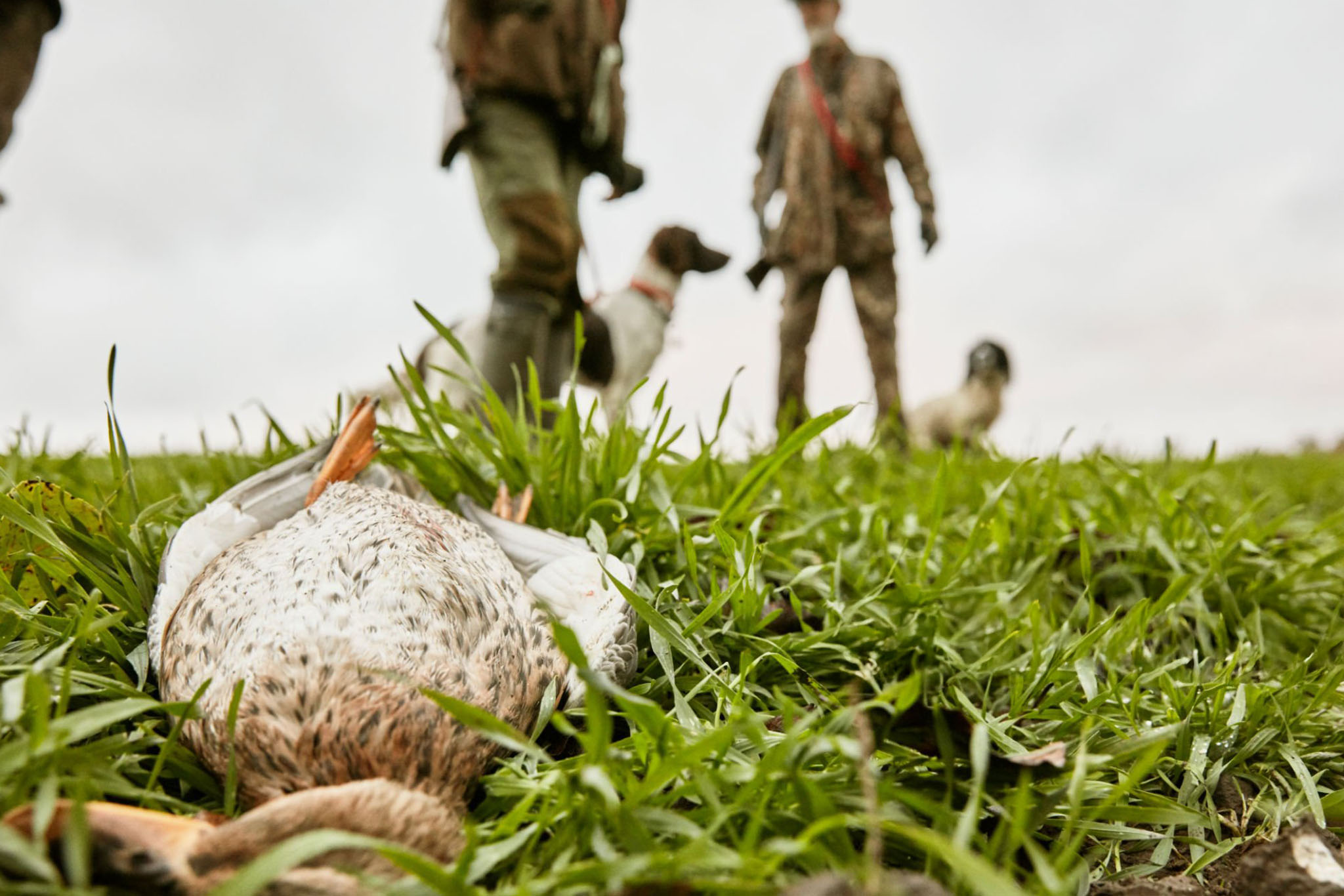
Any seasoned waterfowler will tell you — wind direction isn’t just part of the setup; it’s the entire playbook. Ducks and geese live and die by the wind. It shapes their approach, controls their landings, and determines how your decoys look from above. If you want to fool late-season, call-shy birds, you need to stop thinking like a hunter and start thinking like a duck — and that begins with understanding the wind.
Why Wind Direction Matters More Than Anything Else
Waterfowl always land and take off into the wind. That’s a survival instinct: facing the wind gives them lift and control as they descend. When you ignore that, your spread looks unnatural — and birds know it.
Understanding how ducks approach your decoys based on wind direction helps you decide:
- Where to position your blind or hide.
- How to shape your decoy spread.
- Which side the birds will likely finish on.
A hunter who reads the wind correctly creates a picture that feels alive, not staged.
The Classic Rule: Wind at Your Back — But Not Always
For decades, the golden rule of duck hunting was simple: set up with the wind at your back so birds land right in front of you. That still works — but it’s not the only way. Modern hunters adapt to real conditions and bird behavior.
- Straight Wind (at your back): Ducks approach from straight ahead, landing directly in your kill zone. Great for beginners but risky in crosswinds or swirling air.
- Quartering Wind (diagonal): Gives birds a natural angle of approach and lets you stay more concealed. One of the most effective late-season setups.
- Crosswind: Ducks fly sideways across your spread. It’s harder to shoot but can be more realistic — especially when birds are weary from hunting pressure.
Understanding these patterns helps you make smart decisions when wind shifts throughout the day.
Decoy Spread Strategies for Different Winds
The layout of your decoys should work with the wind, not against it. Ducks are drawn to the path of least resistance — open water, visible feeding zones, and natural landing pockets.
1. North Wind: The Cold Push
When arctic air blows south, ducks are migrating and hungry. Set your decoys in a loose J-pattern, with the hook curving toward your blind. That open pocket at the base of the J becomes a natural landing zone.
2. South Wind: Calm and Cautious Birds
A warm south wind often means stale, resting birds. Use a U-shape or V-pattern, facing into the breeze. Keep the pocket slightly off-center so ducks have a reason to swing wide and commit.
3. Crosswind: When You Want Side Shots
Set your blind to one side of your decoy spread and create an open lane parallel to the wind. Ducks will cross in front of you at 25–35 yards — perfect for clean, ethical shots.
4. No Wind: Dead Calm Days
When the air is still, your decoys need movement to look alive. Use a jerk string or motion decoys to ripple the water. Spread decoys loosely and rely on subtle calling to draw attention.
The Role of Realism: Reading the Duck’s Eye View
Ducks don’t see spreads from your perspective — they’re looking down from 50 yards up. To them, a decoy spread that doesn’t line up with wind and light looks suspicious.
Ask yourself:
- Does the landing pocket face into the wind?
- Is the spread balanced, or does it look too tight?
- Does sunlight reflect naturally on the water?
Even small details — like a few decoys positioned as if preening or feeding — can sell the illusion that this is a safe place to land.
Blinds and Wind: Where You Hide Matters
You can have the perfect spread, but if your blind is out of position, you’ll still flare birds. The blind should always be downwind or crosswind of the decoys, never directly upwind. That way, birds finish in your shooting lane instead of flaring over your head.
- Crosswind setups are great for big groups — shooters can cover both directions.
- Downwind setups keep birds facing you as they land, ideal for solo hunters or small groups.
Always use natural cover — cattails, willow branches, snow — and ensure your blind blends with the background, not just the foreground.
Advanced Tip: Let the Wind Work for Your Calling
Wind doesn’t just move decoys — it also carries your sound. On windy days, ducks hear less, so louder, more aggressive calling can help. On calm days, tone it down. Let soft quacks and feeding murmurs do the work.
And remember, if you’re calling upwind, the sound travels away from approaching birds. Slightly angle yourself so your calls project toward the flight line.
Gear Tips for Windy-Day Hunts
Wind can test your endurance and gear alike. Be prepared for cold gusts, choppy water, and shifting air pressure.
- Weighted decoys: Prevent drift when wind changes direction.
- Adjustable decoy rigs: Let you reshape your spread quickly as conditions shift.
- Waterproof outerwear: Choose windproof and insulated layers, like Trudave hunting waders or jackets, to stay warm and dry through long sits.
- Hand warmers and gloves: Keep your hands nimble when you’re constantly adjusting decoys or blinds.
The Final Flight: Reading the Wind Like a Duck
Mastering wind direction is what separates average hunts from unforgettable ones. When you understand how ducks ride the air — how they approach, circle, and commit — you stop guessing and start anticipating.
The best waterfowl hunters don’t fight the wind; they use it. Every gust, every shift, every rustle of reeds tells a story about where the birds want to be. Learn to listen — and when the wings whistle in with the wind at their chest, you’ll know you’ve set the stage just right.
