
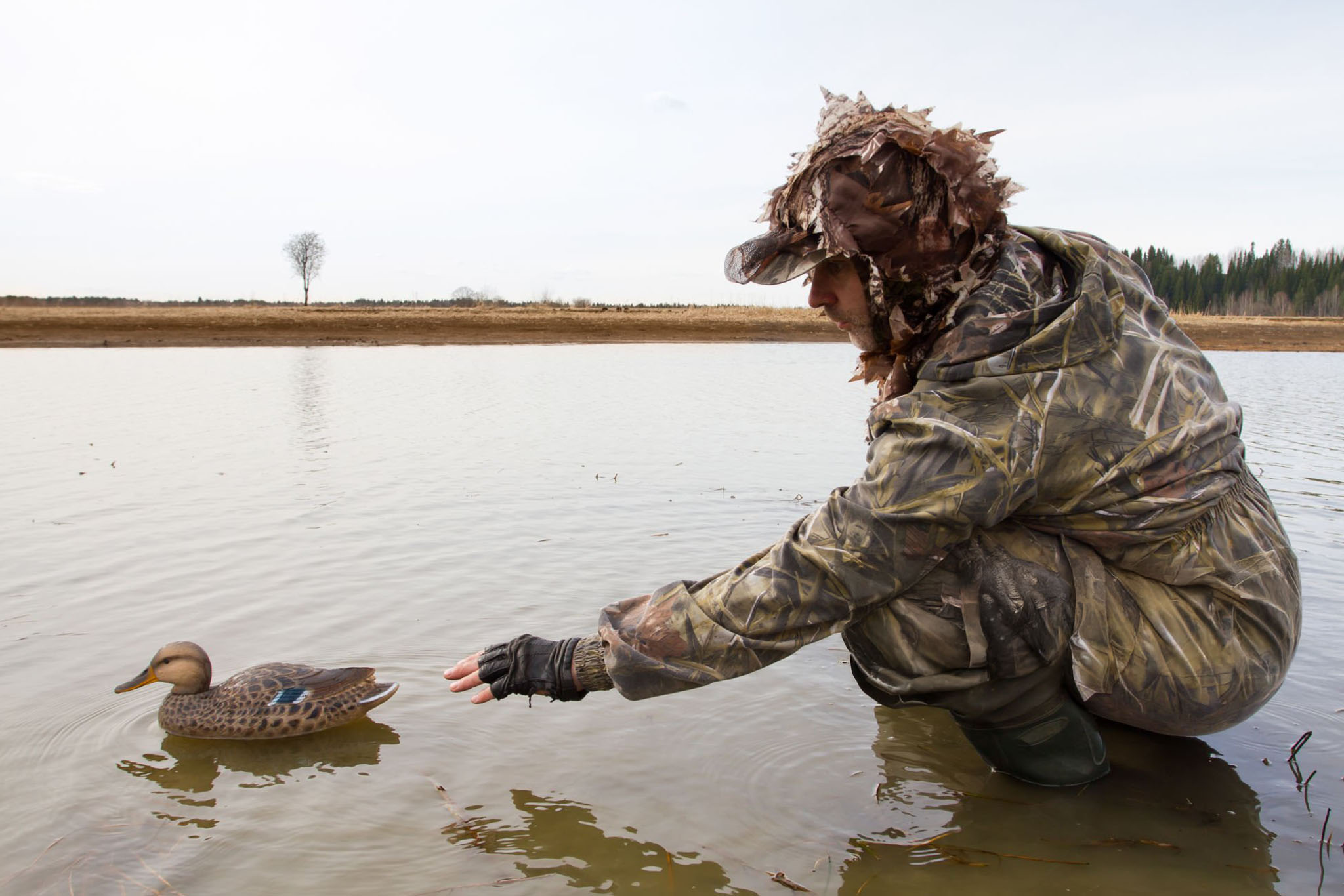
When the mercury drops and the main rivers begin to crust over with ice, most hunters assume the migration is over. The sky grows empty, big flocks are long gone, and the marsh feels lifeless. But seasoned waterfowlers know that not all ducks fly south with the first freeze. Some stay tucked away in overlooked backwaters — those hidden pockets of open water and cover that become the final sanctuaries of late-season birds.
Why Backwaters Hold Ducks When Everything Else Freezes
Late in the season, survival becomes a duck’s top priority. When major lakes, rivers, and flooded timber lock up, waterfowl instinctively search for smaller, warmer microhabitats — areas where spring-fed creeks, groundwater seepage, or slow-moving channels prevent full ice coverage.
These spots might not look like much — a trickle behind a beaver dam, a flooded ditch behind a field, or a narrow bend where sunlight keeps the current moving — but to ducks, they’re gold. Backwaters offer three critical things:
- Open water for roosting and preening
- Ample food like acorns, invertebrates, or waste grain
- Shelter from wind, predators, and hunters
Wherever you find these conditions, you’ll find the late holdouts — especially mallards, gadwalls, and black ducks toughing it out until thaw.
How to Find These Hidden Refuges
Finding backwater sanctuaries takes more scouting and less calling. Late-season birds are wary and selective, so success starts with finding places others overlook.
- Use Aerial Maps: Look for oxbows, sloughs, side channels, and flooded timber edges branching off main rivers. Ducks love tucked-away corners with low visibility from the air.
- Follow the Flow: Walk or boat along feeder creeks and drainage ditches that carry warmer water into frozen systems. Even small currents can keep a hole open.
- Check Sun-Facing Slopes: Southern exposures melt ice faster. Ducks often loaf in sunny, shallow pools shielded by willows or brush.
- Scout Quietly: Late ducks don’t tolerate disturbance. Glass from a distance, use binoculars, and avoid blowing out small pockets before you’re ready to hunt.
Tactics for Backwater Hunts
Once you locate a productive backwater, stealth and realism matter more than decoy numbers or loud calling. These ducks have been pressured for months, and the smallest detail can send them packing.
- Go Light on Decoys: A dozen or less, loosely spaced, mimicking relaxed birds. Include a sleeper or two to sell the cold-weather illusion.
- Blend In Perfectly: Brush your blind with local vegetation—willow branches, cattails, or snow-covered reeds.
- Soft Calling Only: Late-season ducks prefer quiet company. Stick to soft quacks, content murmurs, and the occasional feeding chuckle.
- Stay Flexible: Weather changes daily this time of year. A sudden warm spell or drop in temperature can shift birds overnight, so be ready to move with them.
Understanding Duck Behavior in the Deep Freeze
Late-season ducks operate on survival mode. They feed once or twice a day, often midday when ice softens slightly, and then retreat to secure backwaters before nightfall.
You’ll often see smaller groups — six, twelve, maybe twenty birds — instead of massive flocks. These survivors are cautious but consistent. Once they find a quiet pocket with open water and food, they’ll return until it freezes completely.
If you locate one of these “end-of-the-line” sanctuaries, treat it gently. Overhunting or disturbing the area too often will push the birds out for good.
Gear Tips for Backwater Success
Backwater hunts demand flexibility, stealth, and warmth. Conditions are often rugged — shallow, muddy, sometimes icy.
- Waders with Insulation: Full neoprene or modern insulated breathable waders (like those from Trudave or Hisea) keep you dry while wading through frozen shallows.
- Compact Gear Load: Carry only essentials — a lightweight shotgun, a handful of decoys, and a small blind bag.
- Quiet Layers: Choose insulated outerwear that doesn’t rustle. Ducks hear everything in calm backwater air.
- Waterproof Gloves: You’ll need dexterity for setting decoys in freezing water, so invest in gloves designed for cold-water hunting.
The Reward of Late-Season Patience
Hunting backwaters in the dead of winter isn’t easy. It’s cold, it’s quiet, and it can test your resolve. But when the first greenheads drop through a pocket of misted water, wings cupped and feet down, it’s all worth it.
The backwater hunt is less about numbers and more about the experience — the solitude, the grind, and the deep satisfaction of finding birds others have forgotten. Those ducks didn’t just survive the migration; they outsmarted the season. And when you finally meet them in those hidden pockets, you’ll know you’ve earned it.
