
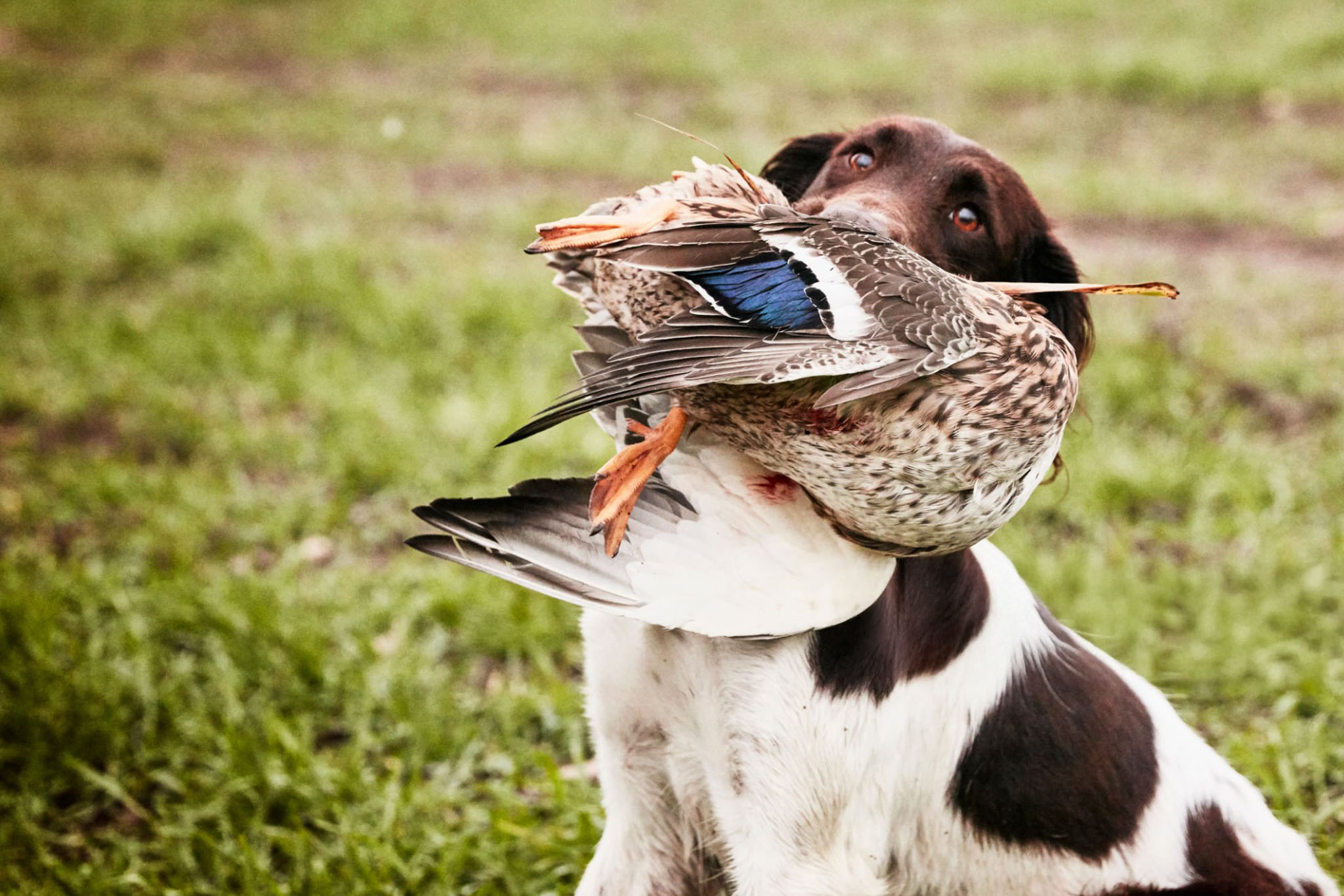
By November, the skies across North America come alive with motion. The crisp air, the whisper of wings, and the haunting calls of geese and ducks mark one of nature’s grandest journeys — the fall migration. For waterfowl hunters, this month is the heart of the season, a time when flocks ride cold fronts southward in great waves. Understanding that rhythm of movement — how weather, geography, and timing shape migration — can turn your hunts from hit-or-miss outings into carefully timed encounters with fresh, unpressured birds.
1. The Pulse of the Migration
The waterfowl migration isn’t a single, sweeping event — it’s a pulse, a series of waves that flow southward from the northern breeding grounds. In November, these pulses often arrive in sync with dramatic weather shifts.
Cold fronts are the main conductor of this rhythm. When northern regions freeze and snow covers the food supply, ducks and geese push south to find open water and feeding grounds. You can often predict a new migration wave 24–48 hours after a major cold front moves through the Dakotas or the Canadian prairies.
Hunters who follow this rhythm — who know where that next cold front will hit — often find themselves right beneath the leading edge of migrating flocks.
2. Reading the Weather Map Like a Migration Guide
To hunt the migration effectively, become a student of weather patterns. A good hunter checks weather apps the way a farmer checks the sky. Here’s what to look for:
- Strong North Winds: A steady north wind, especially after a hard freeze, often means ducks are on the move.
- Clear, Cold Nights: Calm, moonlit nights push birds farther; heavy winds or snowstorms may delay movement.
- Barometric Pressure Drop: When the pressure drops and temperatures plummet, flocks take flight.
The key is to hunt just ahead of or directly after a front. Before the front hits, birds feed aggressively. After it passes, new arrivals are tired, hungry, and looking for safety — that’s prime hunting time.
3. The Flyways in Motion
Every flyway — Pacific, Central, Mississippi, and Atlantic — tells its own migration story. In November, each one is alive with transition:
- Pacific Flyway: Mallards, pintails, and wigeon push into California’s Central Valley, while divers start stacking along coastal bays and reservoirs.
- Central Flyway: The Great Plains light up with geese and puddle ducks as ice pushes birds from the Dakotas into Nebraska, Kansas, and Oklahoma.
- Mississippi Flyway: This corridor sees tremendous traffic — mallards, gadwalls, and teal moving down from the upper Midwest into the Mississippi Delta.
- Atlantic Flyway: Wood ducks and black ducks linger in the northern states early in the month, followed by gadwalls, mallards, and Canada geese heading toward the Carolinas.
Knowing which flyway you hunt — and where your region fits into its timeline — helps you anticipate migration waves and time your hunts perfectly.
4. Scouting Fresh Birds
November brings a mix of locals and migrants. Resident ducks are wary, educated by weeks of hunting pressure, while new arrivals are often naive and responsive. The trick is knowing when fresh birds have arrived.
Signs of a new wave:
- Large flocks trading high overhead after a front.
- Different species showing up overnight.
- Birds responding readily to calls and decoys.
- Less circling, more commitment.
When you notice these changes, adjust your tactics quickly — the “new bird window” doesn’t last long before they wise up.
5. Matching the Mood of the Migration
As migration progresses, duck behavior changes. Early in the season, aggressive calling and motion spreads work well. But by mid- to late November, less is more.
Here’s how to match your setup to the stage of migration:
- New Wave Arrivals: Use motion decoys, chatter calls, and active spreads to attract high flyers.
- Mid-Migration Pressure: Tone down calling, rely on subtle quacks and feeder chuckles.
- Late-Month Holdovers: Switch to a small, realistic spread with more hens and resters — the calm confidence of birds that found refuge.
Adaptation is key. Ducks that see the same spinning wings and loud calls every day learn fast. A natural, low-key approach often outperforms flash in the cold half of November.
6. Timing the Hunt
Migrating birds move in rhythm with temperature and daylight. In early November, flights are heavy at dawn and dusk. By late month, as days shorten, midday movement increases — especially when birds rest longer in the morning to avoid frost and feed during warmer windows.
Pay attention to feeding cycles too. Fresh mallards hitting cornfields in the afternoon often roost in nearby open water overnight, making morning hunts along those routes deadly.
For divers and geese, midday flights can be equally productive, especially on sunny days with light north winds.
7. Gear for the Late Migration
By November, the conditions demand both durability and comfort. Long sits, wet blinds, and freezing spray can turn enthusiasm into misery fast if you’re not prepared.
- Insulated waterproof boots (like Trudave or Hisea models) keep your feet warm during long setups.
- Layered outerwear: A moisture-wicking base, warm mid-layer, and windproof shell keep you dry and mobile.
- Call variety: Bring both loud hail calls for high flyers and soft hen quacks for close work.
- Ice-breaker tools: When temps dip below freezing, breaking a small hole in the ice can be the difference between seeing birds and not.
8. Respect the Rhythm
The southbound migration is more than a hunting opportunity — it’s a natural cycle older than memory. Every gust of north wind carries thousands of wings, each bird guided by instinct and the promise of open water farther south.
Hunting within that rhythm — understanding the balance between timing, weather, and rest — connects us to something far beyond our own experience.
As November skies fill with motion, don’t just chase the birds. Follow the rhythm. Listen to the wind, read the fronts, and align your hunt with the heartbeat of the migration itself. That’s where true success — and satisfaction — lives.
