
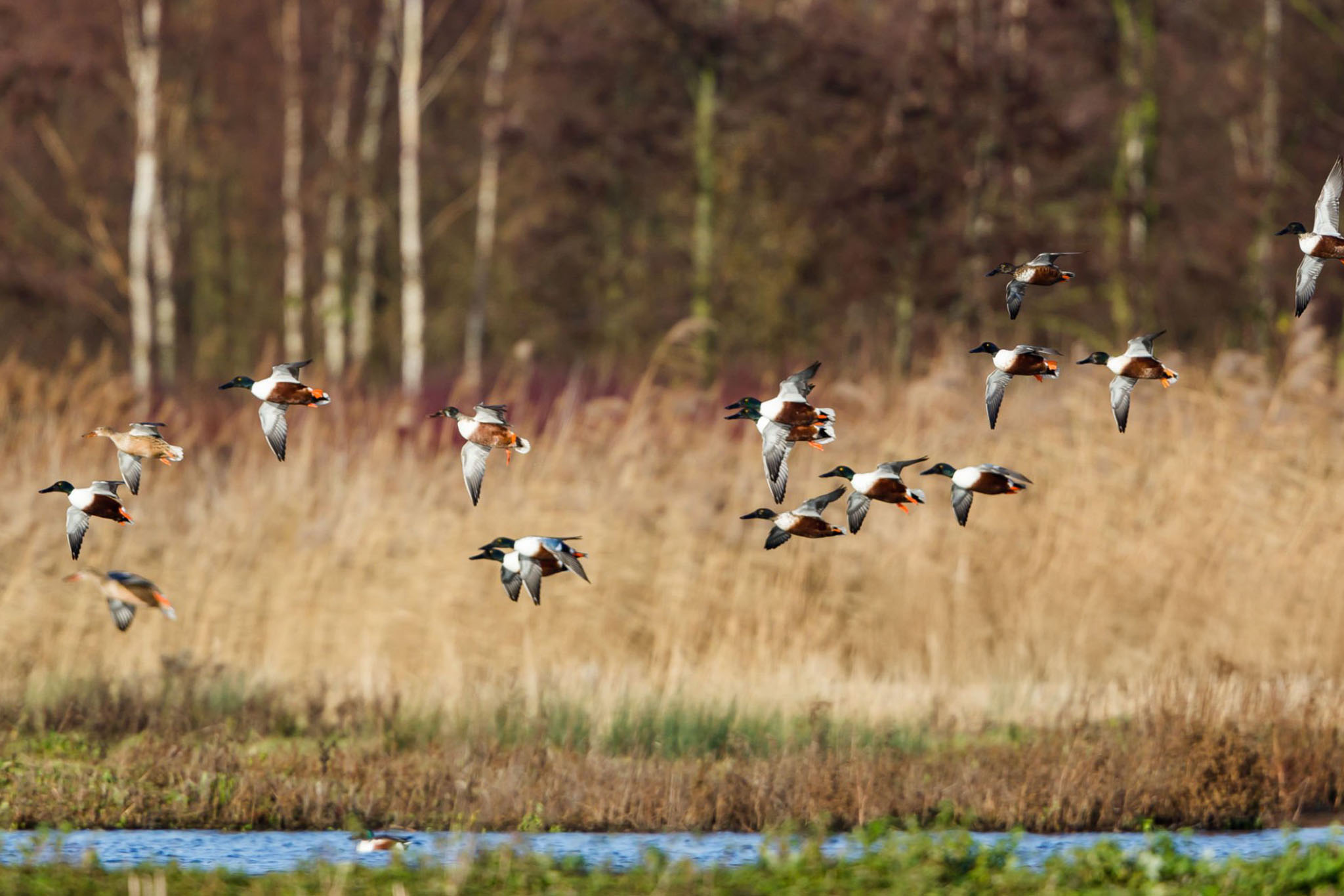
When the mercury drops and shallow ponds freeze solid, duck hunters face one of the biggest challenges of the late season — finding where the birds still want to be. As the landscape ices over, waterfowl are forced into tighter, more predictable areas. Understanding where open water holds and how ducks react to freezing conditions can turn a bitter, empty morning into one of your best hunts of the year.
1. Follow the Ice Line: The Migration’s Edge
Every major cold front shifts the ice line — that invisible boundary between frozen and open water. It’s one of the most powerful forces driving duck movement. Ducks will ride just ahead of the freeze, feeding heavily and roosting on whatever open water they can find before pushing farther south.
The best hunting often happens right along this transition zone. When you’re hunting the northern edge of the freeze, birds are concentrated and desperate to rest. Too far north, and they’re gone overnight. Too far south, and they’re scattered.
Pro tip: Track overnight lows across states or regions using weather apps. When you see nights dipping below freezing for several days, scout lakes and rivers along the southern edge — that’s where migrating flocks will stack up.
2. Rivers: The Lifelines of Winter Ducks
When everything else ices up, moving water is your best friend. Rivers, tailraces, and spring-fed creeks often stay open due to constant current or warmer inflow temperatures. These spots act like magnets, pulling in every species still hanging in the area — mallards, black ducks, goldeneyes, even divers.
Look for:
- Eddies and slack water: Ducks prefer calm pockets along the current where they can loaf.
- Sandbars and back channels: These offer both feeding and resting opportunities.
- Inflow areas: Places where warm water enters — like a small creek or industrial discharge — often stay ice-free longer.
When you find open water on a frozen river, set your decoys tight to the edges of the current. Birds will land directly in the open spot, especially during the coldest parts of the morning.
3. Power Plant Lakes and Spring Creeks: Hidden Hotspots
Across much of the Midwest and South, power plant cooling lakes and natural springs keep water temperatures above freezing — and ducks know it. These areas can become winter sanctuaries when everything else locks up.
While access may be limited or regulated, nearby public waters often benefit from the overflow. Birds that roost on warm water during the night will fly out to feed in nearby grain fields or marshy edges during the day. Setting up along those fly routes can be dynamite.
Similarly, spring-fed creeks or seeps can hold small, huntable pockets of open water all winter. They might look insignificant — a 20-yard pool between frozen banks — but to late-season mallards, that’s prime real estate.
4. Scout with Your Ears and Eyes
When everything looks frozen, a good duck hunter becomes a detective. Long before daylight, listen for the distinct chatter of ducks on open water — the soft feeding grunts, the occasional quack, or even wings splashing on ice edges.
Midday scouting also pays off big. Ducks will often fly to open water during the warmest hours to drink and loaf before returning to feed in fields later. A good pair of binoculars and a spotting scope can save you miles of wasted walking.
Look for:
- Steam rising from water in subfreezing temps.
- Tracks and droppings leading into small openings.
- A mix of waterfowl species — mallards, pintails, and divers often share the same last open holes.
5. Set Your Spread Like Nature Intended
When ducks are confined to small openings, a huge decoy spread can look unnatural. Late in the season, subtlety wins.
Try this setup:
- 6–12 high-quality mallard decoys (hen-heavy spread) near the open edge.
- A few sleepers or resters on ice shelves to mimic loafing birds.
- Add a jerk rig or hand-tugged decoy line for motion — spinning-wing decoys often spook educated ducks this late.
Set your blind downwind and low-profile. Frosted reeds, snow-covered burlap, and natural ice vegetation blend best. Late-season ducks have seen it all, so invisibility and realism matter more than numbers.
6. Timing Is Everything
In bitter cold, ducks are predictable. They move less but more consistently. You can usually count on two flights: a mid-morning thaw flight and an afternoon refuel run.
Early mornings may be dead quiet if the water is still locked with surface ice. But once the sun hits and wind or current breaks a hole, ducks will start pouring in to rest and drink. Don’t leave just because the first hour was slow — the action can peak after 10 a.m. in extreme cold.
7. Gear for the Freeze
Hunting ice lines demands specialized gear. Cold, wet, and wind combine to test your limits. Here’s what keeps serious late-season hunters in the game:
- Insulated waders: Go for neoprene or heavy-duty insulated waders with a fleece liner.
- Waterproof gloves: Keep a spare dry pair in your blind bag.
- Hand warmers and thermos: Small comforts go a long way when the mercury drops below 20°F.
- Ice breaker or spud bar: Break open holes safely from the edge — never wade onto questionable ice.
Final Thoughts: The Rewards of the Freeze
When temperatures plunge, many hunters pack it in — but those who understand ice lines and open water know that’s when the real magic happens. Concentrated flocks, fewer hunters, and picture-perfect ducks against a backdrop of frost and steam.
Finding the last open holes takes work — scouting, patience, and maybe a few frozen fingers — but it’s also where memories are made. In the stillness of a frozen marsh, when wings whistle and the air sparkles with cold, you’ll know exactly why you braved the chill.
