
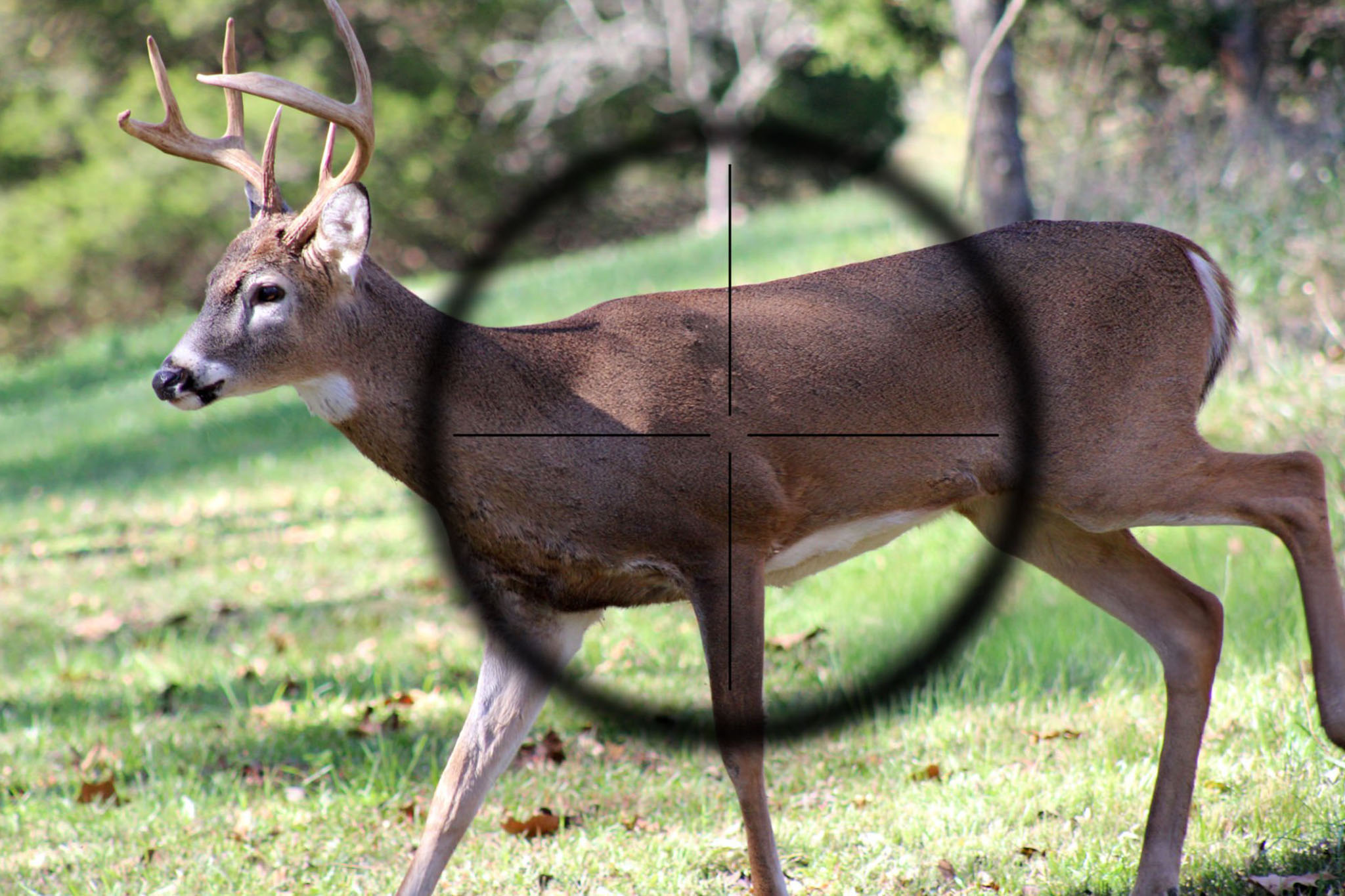
When the woods turn still and the first layer of frost crunches beneath your boots, many hunters pack it in, assuming the best days of deer season are behind them. But for those who understand the subtle rhythm of the late season, this quiet period can produce the biggest bucks of the year. Hunting mature whitetails in December and January isn’t about luck — it’s about discipline, timing, and reading the land when pressure and cold reshape deer behavior.
Understanding Late-Season Buck Behavior
By the time late season rolls around, the woods have changed dramatically. The chaos of the rut is over, food sources are scarce, and deer are running on survival mode. Mature bucks, in particular, have shifted from aggressive to cautious, conserving energy and sticking close to dependable feeding and bedding areas.
After weeks of hunting pressure, bucks become ghost-like. They move less, stick to cover longer, and often travel only under the cloak of darkness. But that doesn’t mean they’re untouchable. If you can locate a buck’s secure bedding area and the nearest quality food source — such as standing corn, soybeans, or mast — you’ve found your window of opportunity.
Focus your scouting on patterns, not random sightings. Trail cameras can be your best ally now. Place them along pinch points leading to food or near south-facing slopes that hold heat during the day. Mature bucks often shift slightly downhill in late season, bedding in areas with minimal wind exposure and quick access to feed.
Feeding Patterns and Weather Cues
In cold weather, calories equal survival. Bucks must eat regularly to maintain body heat and recover from the physical toll of the rut. That’s why food sources become the number-one driver of movement now.
Late-season deer gravitate to:
- Standing grain fields (corn and soybeans, especially)
- Brassica plots — turnips, radishes, and kale hold late into winter
- Acorn-rich hardwoods when snow cover allows for foraging
- Thermal cover near dense conifers or CRP grass
Pay close attention to incoming weather fronts. A strong cold snap followed by a brief warming trend can trigger a feeding frenzy, especially in the late afternoon. Bucks will often rise early from their beds to feed heavily before another round of freezing temperatures sets in.
Set your sits accordingly — afternoons over high-energy food plots or edges of cover leading to feeding zones can be your golden ticket.
Stealth and Stand Strategy
Late-season hunting is all about minimal disturbance. The woods are quiet, the air is crisp, and every misplaced crunch of ice or leaf carries farther than you think. That means entry and exit routes are just as important as where you sit.
Choose low-impact stand locations that allow you to slip in with the wind in your favor. Ground blinds and mobile setups can give you flexibility to adjust with changing deer movement. If you’re hunting from a tree stand, avoid clanging metal or brushing branches on the way up — mature bucks will vanish at the slightest sign of intrusion.
Afternoon hunts are often more productive than mornings this time of year. Bucks tend to bed longer into the daylight, especially in colder conditions, and only move when it’s time to feed. Sitting from 2 p.m. until dark may be your best bet for consistent action.
Dress for Endurance, Not Comfort Alone
Late-season hunts are mental battles as much as physical ones. Long, motionless sits in freezing temps demand gear that keeps you warm without bulk. Layer smart:
- A moisture-wicking base keeps sweat off your skin.
- A mid-layer of insulated fleece or wool traps warmth.
- A windproof, water-resistant shell seals the deal.
Don’t neglect your extremities — hand warmers, insulated boots, and a quiet neck gaiter can make the difference between leaving early and holding out for the buck of a lifetime.
Mental Game and Persistence
Late-season success comes down to grit. The deer are wary, daylight movement is limited, and every sit tests your patience. But that’s exactly why so few hunters tag mature bucks this time of year — and why those who do remember it forever.
You’re not hunting numbers now; you’re hunting one or two educated survivors who’ve beaten the odds all season. When you finally catch that heavy-bodied buck stepping cautiously into the field just before dusk, the quiet will make the moment even sweeter.
Final Thoughts
Late-season deer hunting rewards those who stay in the game when others quit. The woods are calm, the pressure is low, and every movement counts. By understanding post-rut behavior, keying in on food sources, and hunting with precision, you can turn cold days and silent woods into your best hunting story of the year.
The season might feel like it’s winding down — but for the patient and prepared, the biggest rewards come when the forest goes quiet.
