
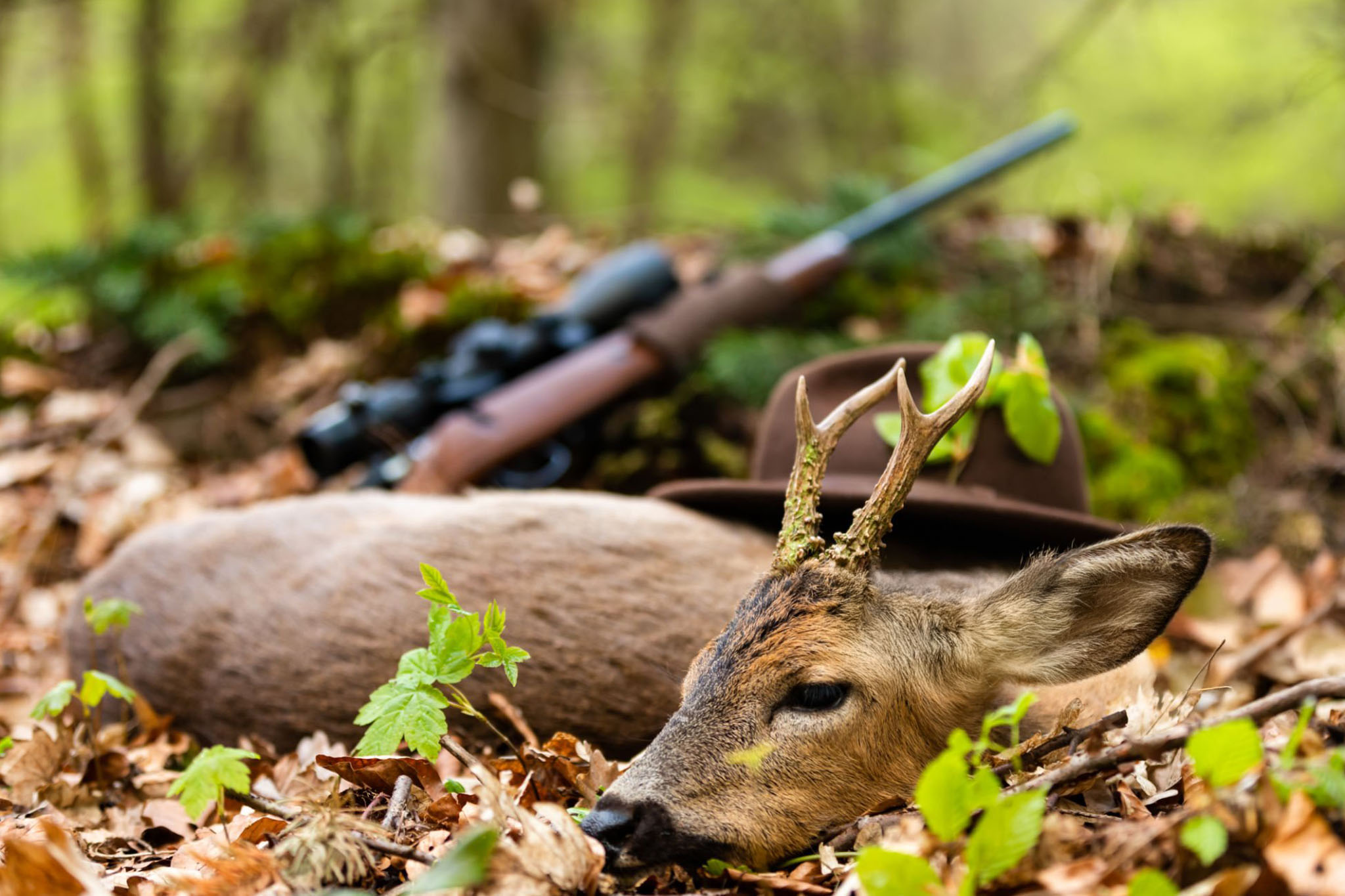
There’s a special kind of tension that comes with late-season hunting — the woods are quiet, the leaves are crisp underfoot, and every movement feels amplified. When deer have been pressured for months and the forest floor crackles like bubble wrap, stealth isn’t just an advantage — it’s survival. Learning how to move when every step threatens to betray you is a skill that separates seasoned hunters from the rest.
Understanding the Soundscape of Late Season
By late fall and early winter, the forest has changed. The damp, soft ground of early season gives way to a brittle carpet of frozen leaves, ice, and twigs. The air is cold and still, carrying sound farther than you’d expect. A snapped twig or rustled leaf can send a mature buck into full retreat before you even see him.
The key is not to eliminate sound completely — that’s nearly impossible — but to blend in with the natural rhythm of the woods. Wildlife creates noise too, but it’s patterned, not rushed. Your goal is to sound like part of the landscape, not an intruder moving through it.
Timing Your Movements
When the woods are quiet, timing becomes everything. Move when the wind blows, when a squirrel scampers, or when distant geese break the silence. These natural distractions give you cover, masking the sound of your steps.
A good rule: take just two or three careful steps, then stop. Stay still for a minute or two before moving again. Mature bucks are masters at picking up unnatural movement patterns — the start-stop rhythm of a careless hunter can trigger instant alarm. Slow down to the pace of nature itself.
Choosing Your Path Wisely
Before you start moving, study your path. Avoid thick carpets of dry leaves and brittle brush whenever possible. Old logging roads, game trails, or areas shaded by pines often hold less noisy ground cover.
If you’re hunting with snow on the ground, use it to your advantage. Fresh powder dampens sound, allowing quieter movement — but be aware that crunchy, frozen snow can be just as noisy as dry leaves. In that case, plan your stalk during warmer parts of the day when the snow softens slightly.
Footwork and Balance
The way you step matters as much as where you step. Roll your foot slowly from heel to toe, feeling for twigs or uneven ground before you put full weight down. Avoid dragging your feet or taking long strides.
If you’re carrying gear, balance becomes key. Keep your weight centered and your knees slightly bent, ready to freeze mid-step if you hear something nearby. Practice moving silently at home or in your backyard before hunting season — the muscle memory pays off when it counts.
Dress for Silence
Your clothing can betray you as easily as your feet. Synthetic fabrics that crinkle in cold air or stiff outer shells can ruin a careful stalk. Opt for soft, quiet materials like brushed fleece or wool.
Make sure your boots are broken in and flexible enough for slow, precise movement. Many experienced hunters prefer rubber or neoprene boots like Trudave hunting boots, which offer both insulation and noise reduction on damp or uneven terrain.
Patience Is Your Greatest Weapon
Hunting quietly isn’t just about physical control — it’s about mental discipline. The biggest mistake hunters make is rushing. Mature bucks move with extreme caution in late season, often waiting until the last moments of light to appear. If you’re impatient or noisy, you’ll never even know they were there.
Take time to pause and observe. Listen to the forest. Let your senses adjust. Often, you’ll hear deer long before you see them — the faint crunch of hooves, the soft snort of breath in the cold.
Final Thoughts
Late-season hunting is unforgiving but deeply rewarding. When the woods are bare and brittle, success comes to those who move with the patience and purpose of the animals they pursue.
Every step you take should be deliberate, every pause intentional. When done right, your presence becomes part of the environment — quiet, calm, and nearly invisible.
Because in crunch time, silence isn’t just golden — it’s the sound of opportunity.
