
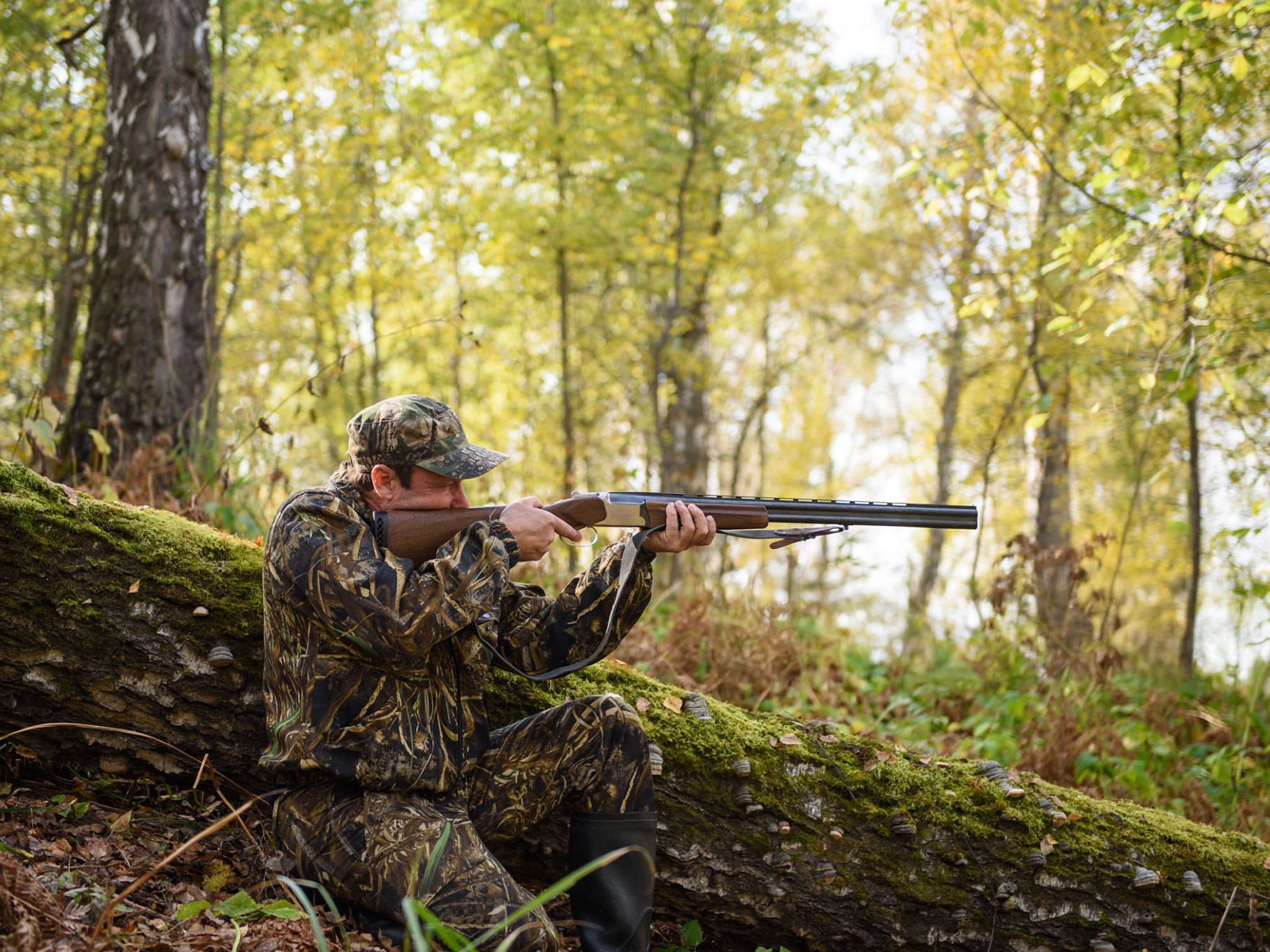
When the chaos of the rut fades, the woods take on a different rhythm. The bucks that once stormed through fields at midday now melt back into thick cover. The scrapes go cold, the rattling stops working, and many hunters hang up their gear, assuming it’s over. But for those who understand post-rut behavior, this is far from the end—it’s an opportunity. The post-rut is a thinking man’s season, one that rewards discipline, precision, and patience more than any other time of year.
Understanding the Post-Rut Mindset
By late November, mature bucks are worn down. They’ve spent weeks chasing does, fighting rivals, and running on fumes. Food becomes their main focus again, but they’re cautious—every close call during the rut has made them wiser. The woods might seem empty, but deer are still there, moving differently.
This period often feels quiet because activity is subtle. Instead of explosive chases, you’ll find slow, deliberate movement. Bucks are conserving energy, feeding at odd hours, and bedding in heavy cover. The hunter who adapts to this shift—not the one who gives up—often ends up with a late-season giant.
1. Shift Focus from Rut Sign to Food Sources
During the rut, sign and doe patterns drove the hunt. Now, everything revolves around nutrition and recovery. Bucks crave carbohydrates and protein to rebuild lost body weight. That means your scouting should move from trails and scrapes to food and bedding proximity.
Key late-season food sources include:
- Standing corn or soybeans (if available)
- Winter wheat, brassicas, and turnips in food plots
- Acorns and leftover mast crops in hardwood areas
- Cutover edges with regenerating browse
Pro Tip: Focus on the first food source adjacent to secure cover. Exhausted bucks rarely travel far to feed.
Evening hunts near these zones are often more productive than mornings. Cold weather pushes deer to feed before nightfall—just enough daylight for a well-placed ambush.
2. Adjust Your Setup: Low Pressure, High Reward
Post-rut deer are on edge. Every mistake—a wrong wind, noisy approach, or scent trail—will push them nocturnal. Success now depends on low-impact hunting.
- Hunt edges instead of diving deep. Bucks bed tight to cover; entering those areas risks blowing them out.
- Watch the wind religiously. If it’s swirling, stay home. One mistake can cost you multiple hunts.
- Slip in quietly. Use terrain features—ditches, creek beds, ridges—to stay out of sight and scent.
The most successful post-rut hunters treat every sit like a chess move: patient, deliberate, and focused on keeping deer comfortable in daylight.
3. Timing and Weather Are Everything
Post-rut deer respond predictably to weather shifts. Cold fronts, snow, and high-pressure days after storms trigger increased movement. These are your windows.
- Rising barometric pressure (30.2+ inches): Often sparks evening feeding.
- First snow or hard frost: Makes food sources pop with fresh activity.
- Sudden temperature drops: Force deer to refuel faster.
If you can align these conditions with your time afield, your odds skyrocket. Don’t waste energy on marginal weather—save your sits for when nature cues the deer to move.
4. Patience Beats Aggression
The post-rut isn’t a time for calling, rattling, or bold movements. Bucks have heard every trick in the book. Instead, play the long game.
- Use subtle grunts only if you see a buck within range and curious.
- Rattling should be rare and soft—just enough to mimic a light spar.
- Sit longer. The best movement may not happen until the last 15 minutes of light.
This is mental endurance season. The hunter who can stay focused through cold, still afternoons often cashes in when others are warming up their trucks.
5. Gear and Comfort: Set Up for the Long Haul
Late-season hunts are marathons. To stay still and alert, you must be comfortable. Cold feet or frozen hands will break concentration faster than any movement from a deer.
Must-haves for the post-rut grind:
- Windproof, insulated outerwear that’s quiet and breathable.
- Merino base layers to manage moisture during long sits.
- Hand and foot warmers for all-day comfort.
- Thermos with warm drink or broth—small morale boosts matter.
And don’t underestimate mobility boots like Trudave or Hisea insulated models. Waterproof, insulated footwear with solid traction helps when trudging through snow or frozen fields at dawn.
6. Observation Equals Opportunity
Trail cameras and glassing play a huge role now. With predictable feeding behavior, bucks reappear on food plots or field edges with regularity—especially at dusk.
- Use cellular trail cams to monitor without intrusion.
- Glass from distance to confirm patterns before committing to a setup.
- Track consistency: A buck appearing 2–3 evenings in a row on the same food source is killable.
By reading movement patterns quietly, you can plan the perfect strike instead of burning out the woods.
7. The Mental Game: Why Patience Wins
When the woods go quiet, it’s easy to doubt yourself. But this phase separates those who hunt from those who wait for luck. The best late-season hunters know that every cold, uneventful hour builds toward one critical moment.
Stay engaged. Watch the wind. Note how deer use the terrain differently each day. Every sit adds a piece to the puzzle. And when that worn-down, heavy-bodied buck finally slips out of cover to feed, you’ll be ready—not just lucky.
Late-season hunting isn’t about adrenaline. It’s about endurance.
It’s not about chasing deer—it’s about outlasting them.
Final Thoughts
The post-rut may look lifeless, but for the hunter who adapts, it’s a goldmine of opportunity. Bucks are vulnerable, tired, and hungry—but cautious. The challenge lies not in finding them, but in staying sharp when the action slows.
So this season, while others hang up their bows or rifles, stay out there. Set your layers right, mind your wind, and commit to patience. When the woods fall silent, that’s when the biggest rewards are earned.
