
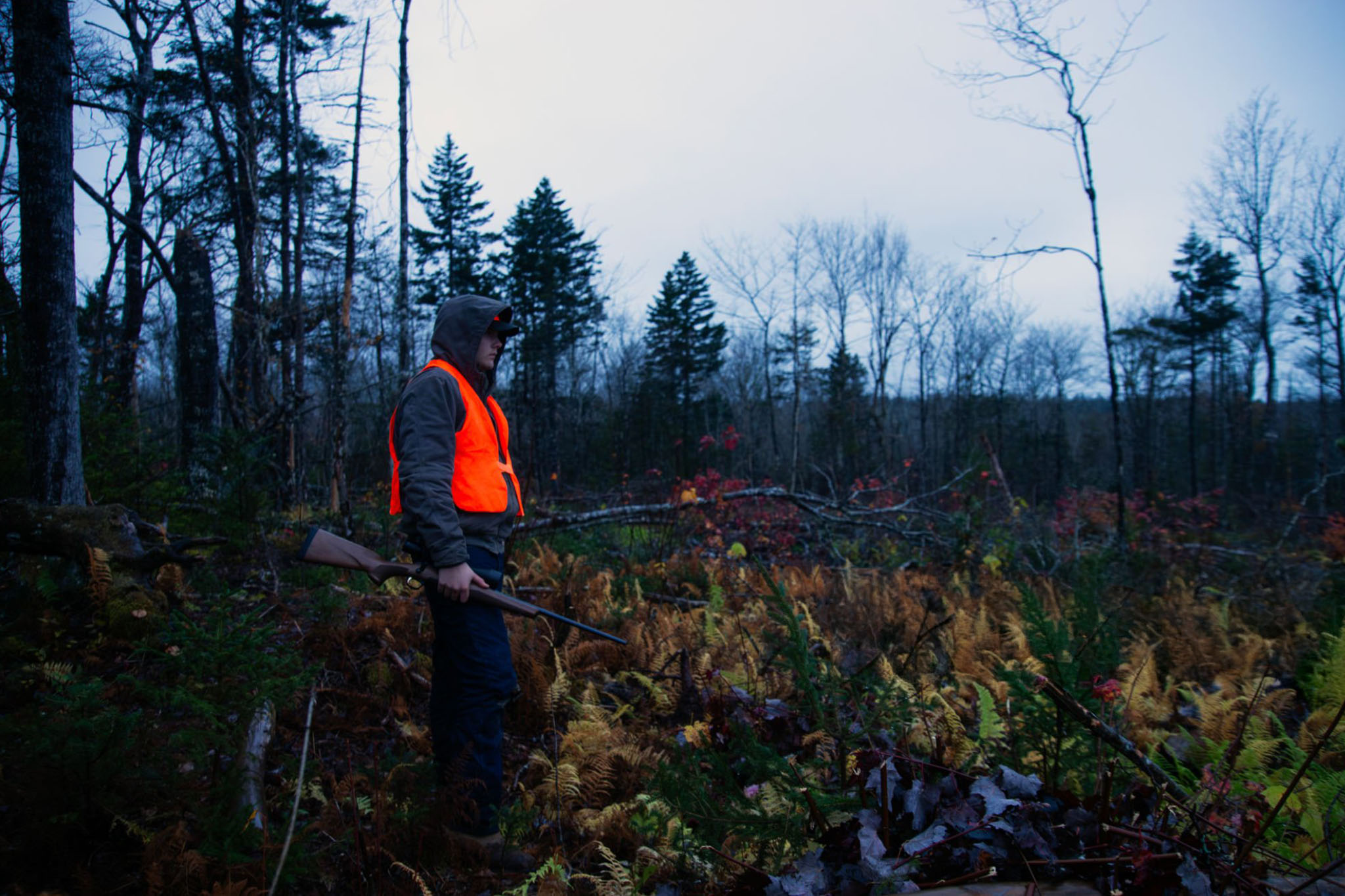
There’s something ancient and instinctual about still-hunting — that slow, deliberate pursuit through the timber where every step, every breath, and every decision could mean the difference between success and spooking your quarry. But as the woods dry and autumn leaves turn crisp underfoot, the challenge amplifies. How do you move silently when every oak leaf and twig threatens to betray your presence? Mastering the art of still-hunting in crunchy conditions isn’t just about patience — it’s about understanding rhythm, terrain, and how deer use their environment when sound carries.
The Essence of Still-Hunting
Still-hunting isn’t stalking in the typical sense. It’s not about charging after a deer you’ve spotted. Instead, it’s the methodical act of moving through cover to find undisturbed game before it finds you. Hunters who practice it are part predator, part observer — reading the woods, sensing movement, and anticipating where a deer might be standing just beyond the next ridge.
During mid to late fall, when dry leaves blanket the forest floor, still-hunting becomes a test of woodsmanship. It’s about blending movement and silence into one natural rhythm — so much so that the forest begins to accept you rather than reject you.
Timing Is Everything
The best still-hunters know that success often comes down to when you move, not just how. Sound travels farther on calm, dry days, especially in open hardwoods. That’s why timing your hunt to environmental conditions can make or break your approach.
- Hunt Right After Rain: Moisture softens leaves, dampens noise, and masks your steps. A still morning following an overnight drizzle is ideal.
- Use Wind to Your Advantage: A steady breeze not only covers your noise but also keeps your scent moving in one direction. Stay downwind of suspected bedding areas.
- Capitalize on Natural Noise: Gusty winds, falling acorns, or squirrel chatter can help disguise your movement. When nature makes noise, that’s your cue to move.
- Hunt Midday or Overcast Hours: Deer often reposition during these times, and softer light helps conceal your motion.
Patience here is your most potent weapon. If the woods are dead quiet, move less — or not at all. Sometimes the best still-hunters spend hours covering less than a hundred yards.
Step Right: The Art of Moving in Noisy Leaves
There’s a rhythm to walking silently in the timber, even when it seems impossible. Every step must have purpose.
- Roll Your Foot: Land with the outer edge of your foot and roll inward, feeling for twigs or leaves before committing your weight.
- Pause Often: After every step or two, freeze. Let the woods settle again. Many hunters move too quickly, breaking the natural cadence of the forest.
- Mimic Nature: Try to move like an animal would — irregular, cautious, and never in a straight line. A deer or turkey doesn’t walk with human predictability.
- Avoid Straight Lines: Zig-zag around obstacles and terrain features to stay hidden and unpredictable.
- Use Vegetation: Step where leaves are sparse — on bare soil patches, moss, logs, or the shaded side of roots.
Remember: a good still-hunter spends more time standing still than walking. When in doubt, stop. Let your eyes and ears do the work.
Reading the Woods
Every ridge, hollow, and thicket tells a story. Successful still-hunters learn to read subtle signs — tracks pressed into soft earth, broken twigs, or the musky smell of a recent buck. Look for:
- Fresh Rub Lines: These mark active travel corridors. Move slowly along the downwind side.
- Bedding Ridges: South-facing slopes catch warmth in fall and often hold resting deer during midday.
- Acorn Flats: If oaks are dropping, deer will feed noisily — giving you the chance to approach within range.
- Thick Cover Transitions: Where timber meets young regrowth or CRP, deer feel secure and are easier to spot first.
Move from cover to cover, always scanning ahead. The goal is to spot a flicker of movement — a tail twitch, an ear rotation — long before the deer detects you.
Gear Considerations for Silent Movement
The right equipment can make still-hunting far more effective and less noisy:
- Soft Clothing: Avoid stiff nylon or noisy waterproof shells. Wool and brushed fleece are your best friends.
- Lightweight Boots: Flexible soles let you feel the ground and adjust each step before it crunches.
- Binoculars: Essential for picking apart the woods slowly and spotting parts of a deer — not the whole shape.
- Sling-Free Weapon Carry: Use a chest harness or hold your rifle/bow ready; a loose sling can squeak or clank at the wrong moment.
- Muted Colors: Stick to natural browns and grays that blend with bark and leaf litter.
Every sound matters, from the zipper on your jacket to the snap of a twig. Eliminate anything unnecessary that could betray you.
Mental Discipline: The Heart of Still-Hunting
Still-hunting is 90% mental. You’re not just moving through the woods — you’re becoming part of them. The greatest challenge is fighting the urge to move too much or too fast.
If you think you’re going slow, go slower. If you think you’ve looked long enough, look longer. A deer might be standing 40 yards away, perfectly still, waiting for you to make the mistake.
Control your breathing, stay alert, and resist distraction. It’s not uncommon to spend hours without seeing a single deer — and then, in a heartbeat, everything changes. The flick of an ear, the glint of an antler, and your patience pays off.
Final Thoughts
Still-hunting the timber during the crunchy-leaf season isn’t easy — but it’s one of the purest, most rewarding forms of hunting. It forces you to slow down, sharpen your senses, and reconnect with the primal rhythm of the woods.
When you finally slip within bow or rifle range of a deer you’ve outsmarted through patience and silence, the satisfaction runs deeper than any other kind of hunt.
In a world full of treestands, blinds, and gadgets, still-hunting remains a true test of skill — a dance between predator and prey that’s as old as the forest itself.
