
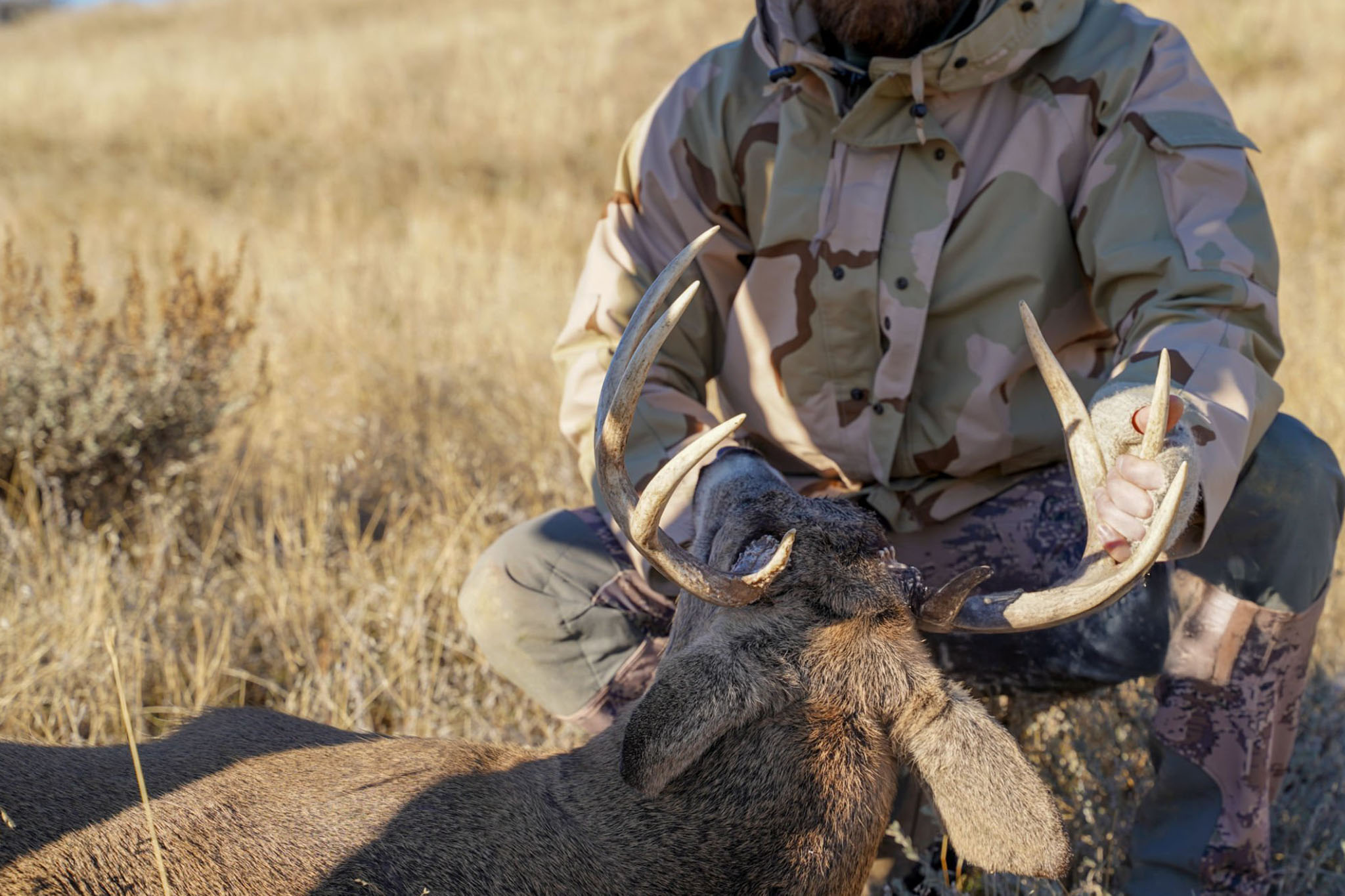
As the leaves turn and the air takes on that unmistakable October crisp, hunters across whitetail country know what’s coming — scrape season. It’s that electric window just before the rut when bucks begin marking territory, checking for receptive does, and broadcasting dominance. For those who know how to read the woods and time their hunts right, this period can produce some of the most action-packed deer encounters of the entire year.
Understanding the Scrape Phase
A scrape is more than just a patch of bare dirt under a low-hanging branch — it’s a communication hub. Bucks paw away leaves and soil, urinate in the spot, and rub scent from their preorbital glands onto the overhead branch. Does also visit these scrapes, leaving their scent behind. It’s essentially the social media of the deer woods — a place where information gets exchanged, dominance is challenged, and breeding readiness is signaled.
The peak scrape phase usually unfolds during mid-to-late October, right before bucks start locking down with does. During this window, dominant and subordinate bucks alike visit scrapes frequently — often during daylight hours — making this one of the best times to pattern mature deer.
Key Timing: When to Be in the Woods
Timing your hunts around scrape activity is everything. Bucks don’t maintain heavy scraping throughout the rut; once breeding begins, visits drop off dramatically. That makes your opportunity window narrow — but predictable.
- Early Morning Hunts (First Light to 9 A.M.): Bucks often check scrapes after a night of roaming. If you’ve scouted a primary scrape near bedding areas, be there early.
- Midday Surprise (11 A.M. to 2 P.M.): When hunting pressure rises, mature bucks may swing through scrapes during midday lulls. Hunters who stay in the stand see more of these daylight cruisers.
- Afternoon Edge Hunts (3 P.M. to Dusk): Scrapes along field edges or travel corridors heat up just before dark as bucks move toward feeding areas.
When weather fronts move through — especially cold snaps or rising barometric pressure after rain — scrape activity often spikes. Bucks use those cooler, calm conditions to refresh scrapes and expand their range.
Where to Set Up: High-Value Scrape Zones
Not all scrapes are created equal. While you might find dozens across a property, only a few are truly “community scrapes” that draw consistent traffic. Focus on these:
- Edge Scrapes: Located along transitions between cover types — timber lines, creek crossings, or field edges.
- Bedding-Area Scrapes: Often visited in daylight but risky to hunt due to wind direction and intrusion.
- Travel-Corridor Scrapes: Found on trails connecting feeding and bedding areas — these are gold when bucks are in pre-rut mode.
- Terrain Pinch Points: Saddles, creek crossings, or fencerow gaps often funnel movement directly past active scrapes.
When you identify a fresh scrape (damp soil, strong odor, broken branch above), it’s often worth hanging a trail camera immediately. This helps reveal not only which bucks are visiting, but also when. Time-of-day patterns will dictate your best window for ambush.
Gear and Setup Tactics
To capitalize on scrape season, preparation matters as much as timing:
- Mock Scrapes: Create your own in strategic locations using scent drippers and fresh branches. Bucks will often adopt these as part of their rounds.
- Scent Discipline: Avoid touching the scrape area directly. Use gloves and rubber boots to minimize ground scent.
- Tree Stand Placement: Hang your stand downwind and off-trail by 20–30 yards. You want to observe the scrape without alerting deer approaching from multiple directions.
- Trail Cameras: Run video mode if possible — you’ll learn which direction bucks enter from and whether they’re aggressive or cautious visitors.
Reading Behavior: What Bucks Are Saying
Scrape activity tells a story. A single, isolated scrape might be a satellite marking by a roaming young buck, while a cluster of scrapes indicates a dominant deer actively working a core area. If you notice a scrape being reopened every few days and fresh rubs popping up nearby, you’re likely near the center of a mature buck’s pre-rut circuit.
Pay attention to licking branch height and rub direction — these can even hint at the size and maturity of the deer responsible. Bucks that use higher branches or leave large, aggressive paw marks are often older, heavier animals.
Patience Pays: Waiting for the Right Moment
The beauty of scrape hunting is that it rewards patience and pattern recognition. Once a scrape line becomes active, resist the urge to dive in too early. Instead, monitor it for several days with cameras or binoculars from afar. The goal is to strike when a buck starts showing up during daylight — not just at night.
When you finally climb into your stand on the right wind, right moon phase, and right temperature drop, your odds skyrocket.
Closing Thoughts
The scrape season may be short, but it’s pure magic when timed right. Bucks are still predictable, testosterone is rising, and the woods are alive with sign. Whether you’re hanging a stand over a community scrape or setting up a mock scrape in a funnel, your success comes down to understanding the rhythm of the season.
Scrape season isn’t luck — it’s timing, patience, and preparation. If you learn to read those subtle signs before chaos breaks loose, you’ll be in the woods when most hunters are still waiting for the rut to arrive — and that’s when giants fall.
