
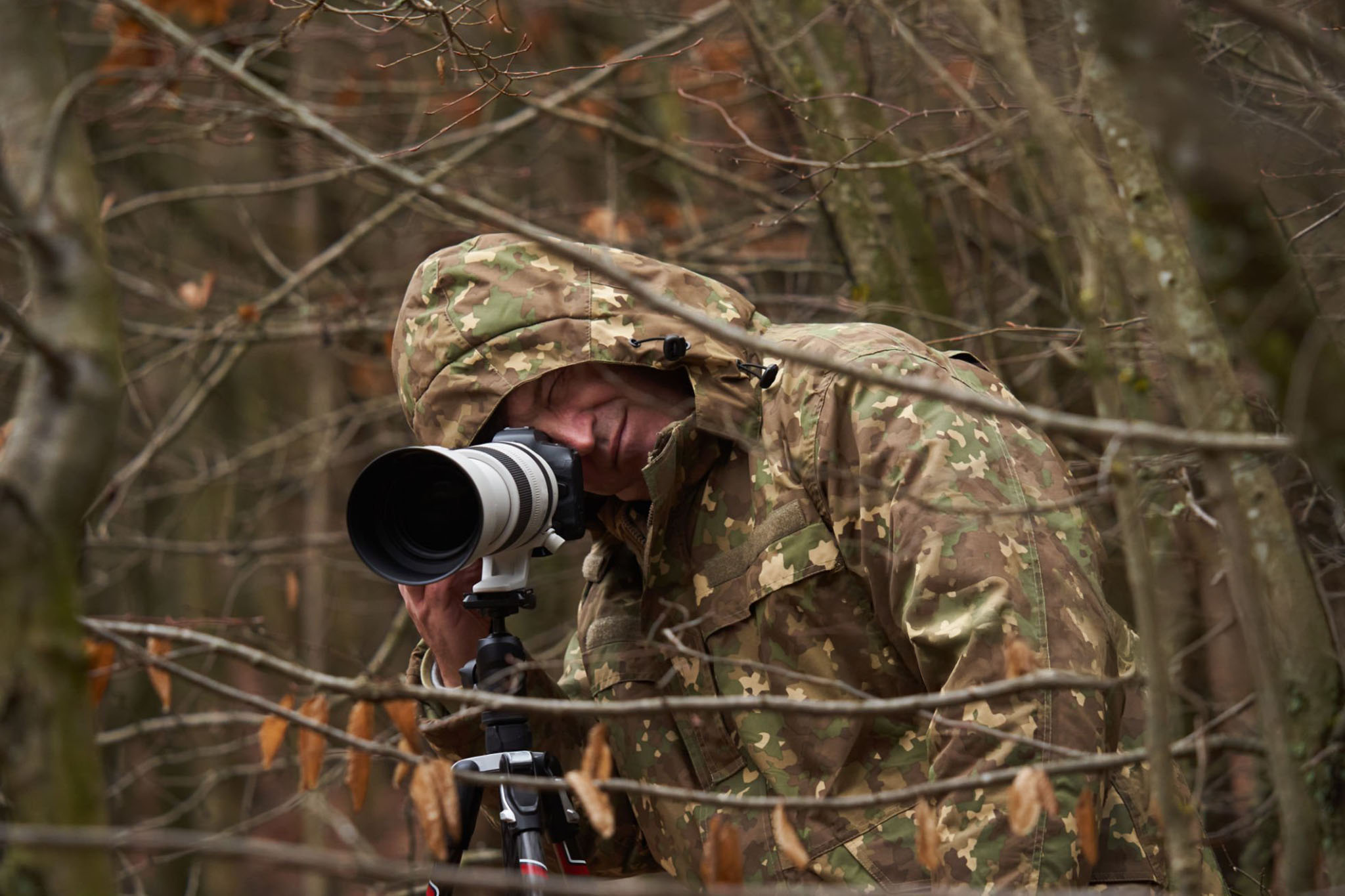
Every serious deer hunter knows the feeling — crisp mornings, changing leaves, and… empty woods. The “mid-October lull” is one of those topics that gets whispered around campfires and debated in online forums every fall. Hunters hit the woods hard in early October, only to see deer movement vanish halfway through the month. But is this lull real — or are we just hunting wrong? Let’s break down what’s actually happening in the deer woods and how to stay productive when everyone else hangs up their bow.
The Truth About the “Lull”
The so-called mid-October lull isn’t about deer disappearing. They don’t migrate, vanish underground, or quit eating. What changes is how and when they move. Whitetails are transitioning from early-season feeding routines to pre-rut behavior. Acorns are dropping, crops are coming off, and hunting pressure is peaking.
This combination shifts deer movement patterns — not their activity level. Mature bucks especially become more nocturnal, reacting to increased human scent and noise. They’re still out there, but they’re smarter, quieter, and moving differently than they were two weeks ago.
Why Deer Movement Seems to Slow
- Changing Food Sources:
Early-season hunts revolve around green food plots and soybeans. By mid-October, acorns and cut cornfields become dominant food sources. If you’re still sitting over summer food patterns, you’re likely hunting empty ground. - Pressure and Predators:
Bowhunters flood the woods as the first frosts hit. Deer quickly recognize boot tracks, ground scent, and tree stand silhouettes. They respond by feeding later, bedding tighter, and taking safer travel routes. - Weather Shifts:
Warm spells in October often suppress daylight movement. Deer wear their fall coats by now, and mild temps make them sluggish during daylight hours. Wait for a cold front — it can flip the switch overnight. - The Pre-Rut Transition:
Bucks begin expanding their range, checking scrape lines and doe bedding areas. Their focus moves from feeding to scent-checking and territory marking, which means they may pass through areas unpredictably.
Breaking the Myth: How to Hunt Smarter
The key to success during the “lull” isn’t luck — it’s adaptation. Hunters who adjust to changing deer patterns can turn a frustrating mid-October into a personal best. Here’s how:
- Scout Fresh Sign, Not Memory:
Don’t hunt based on where you saw deer two weeks ago. Find new rub lines, scrapes, and fresh droppings. Bucks are leaving calling cards as they expand their range. - Hunt Close to Bedding Areas:
Deer may move less, but they still move within their safe zones. Set up quietly on the downwind edge of thick cover, where bucks stage before dark. Early afternoons can be prime. - Play the Wind Like a Pro:
During the lull, deer are hypersensitive to scent. Double-check wind direction, use ozone or scent-blocking sprays, and plan entry routes that keep your scent out of bedding areas. - Use Mock Scrapes and Scents:
A fresh mock scrape with a little doe urine or buck pre-orbital scent can draw curiosity. Position it near travel routes or staging zones to catch daylight action. - Capitalize on Cold Fronts:
When the first sharp cold snap hits, bucks move earlier and more confidently. Be in your best stand before or immediately after a cold front passes — that’s often when the “lull” breaks wide open.
Midday Hunts: The Overlooked Opportunity
While many hunters climb down by 10 a.m., the midday hours in mid-October can be surprisingly productive. Bucks often check scrapes or transition between bedding areas late in the morning, especially on calm, cool days. If you can commit to sitting all day — or even until 2 p.m. — you might catch a mature deer slipping up when most hunters are gone.
Trail Cameras: Your Secret Weapon
This is the time to let your cameras tell the story. Move them from summer food plots to pinch points, creek crossings, or scrape lines. Check data remotely if possible to avoid human scent. Often, you’ll see that deer are still active — just on different schedules or in different places.
Mindset Matters
Perhaps the biggest mistake hunters make during the lull is mental fatigue. They assume it’s a lost cause and start skipping hunts. But consistency is everything. Mature bucks don’t follow a predictable script, and many October giants are taken simply because a hunter was in the woods when opportunity knocked.
Final Thoughts
The mid-October lull isn’t a dead zone — it’s a transition phase. The woods are shifting, the bucks are thinking differently, and the smart hunters are adapting right along with them. Focus on new food sources, hunt the edges of bedding areas, and keep your scent in check.
While others complain about the lull, you could be hanging your tag on a heavy-antlered buck that never stopped moving — he just moved smarter.
