
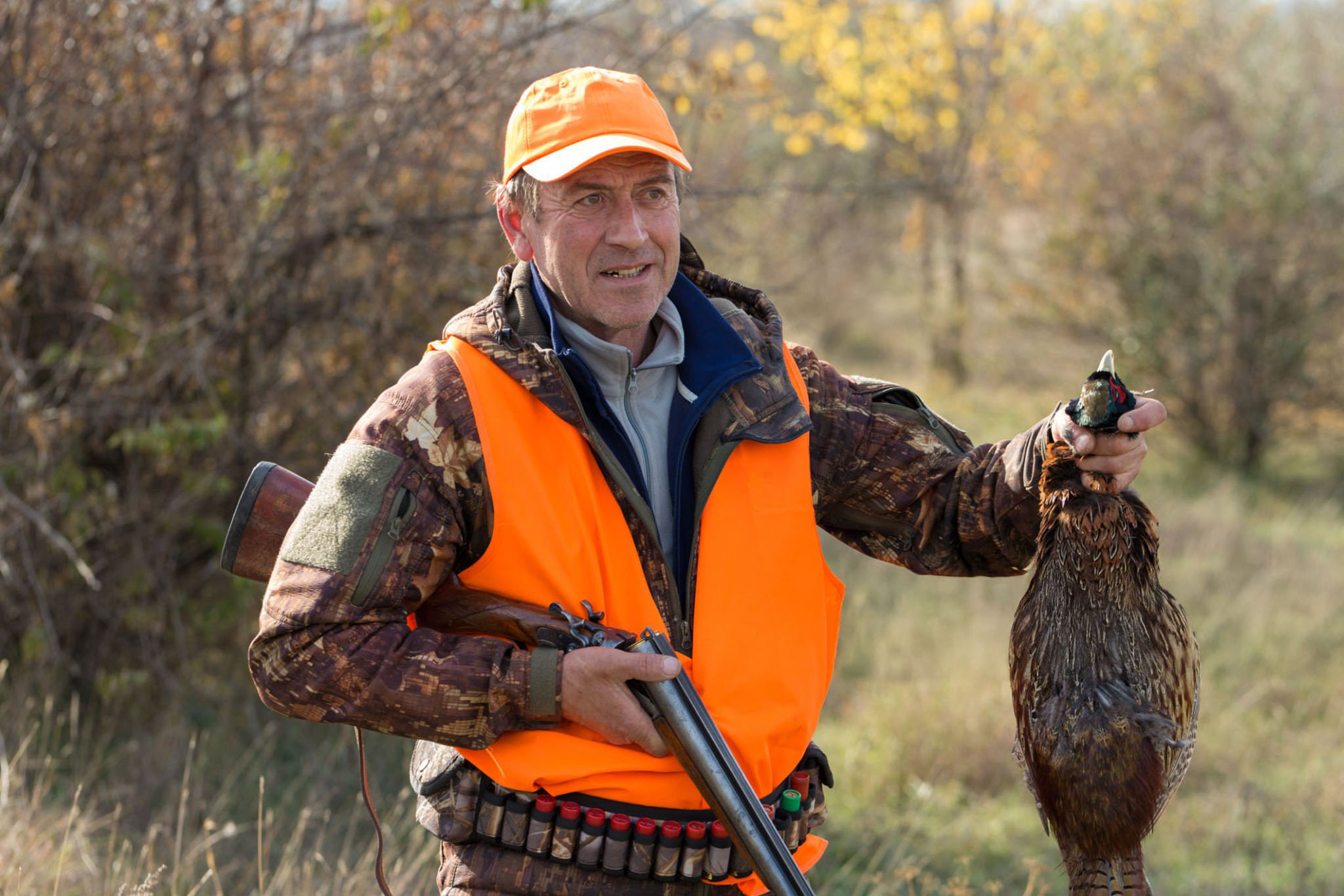
Late-season duck hunting is a different animal than early or mid-season hunts. By now, the fields have been picked clean, northern waterfowl are arriving in waves, and cold fronts have changed both the landscape and the behavior of ducks. For hunters willing to embrace the mud, master their patience, and adapt tactics, this period can be one of the most productive times of the year.
If you want to turn late-season conditions into limits rather than frustration, you need to combine knowledge of waterfowl behavior, environmental cues, and precision hunting tactics. Here’s how to make the most of every day in the blind when the season is winding down.
Why Late-Season Hunting Is Different
As temperatures drop and northern lakes freeze, migrating ducks funnel through remaining open water and flooded fields. These birds are often weary, cautious, and hungry. Unlike early-season birds, late-season ducks have experienced hunting pressure and learned to avoid patterns that might put them in danger.
Key differences to consider:
- Movement is more predictable but stealth-dependent: Ducks follow reliable food sources but are highly sensitive to scent, sound, and visual cues.
- Smaller numbers, higher concentration: Fewer open areas concentrate birds, so selecting the right blind location is critical.
- Wind and weather dominate: Birds often rely on tailwinds for migration and avoid flying into strong headwinds, giving hunters a predictable window for action.
Finding the Perfect Late-Season Blind Location
The right location can make or break your hunt. In late season, ducks are selective:
- Target Muddy Fields and Shallow Water:
- Remaining flooded crop fields, mudflats, and shallow ponds are magnets for resting ducks.
- Birds often stop here to feed on leftover grains and aquatic vegetation before moving to larger staging areas.
- Use Natural Cover:
- Marsh grass, cattails, and brush not only conceal your blind but also provide realistic cover.
- Avoid open setups that can alert intelligent, pressured ducks.
- Focus on High-Traffic Corridors:
- Look for pinch points where birds funnel between open water and feeding areas.
- Creek mouths, river bends, and narrow sloughs are perfect spots to intercept migrating flocks.
- Scout Ahead:
- Use binoculars or trail cameras in early morning or midday to observe flight patterns.
- Look for footprints, droppings, or feeding signs that indicate consistent duck paths.
Decoy Setup: Realism Is Everything
Late-season ducks have seen it all, and your decoy spread needs to mimic natural behavior to fool educated birds.
- Spread Size: Smaller groups of 6–12 decoys often outperform massive spreads, especially in confined late-season water.
- Movement: Add motion decoys, spinning wings, or jerk cords to simulate feeding and preening.
- Patterns: Arrange decoys in a natural feeding pattern, not straight lines. Ducks are suspicious of unnatural symmetry.
- Scouting Influence: Place decoys in areas ducks have already been observed using — this reinforces realism.
Calling: Subtlety Over Volume
Educated birds are wary of excessive noise. Late-season calling should focus on gentle, realistic vocalizations rather than aggressive or continuous calls.
- Soft Feeding Calls: Mimic dabbling or quiet social chatter among ducks.
- Timing: Use calls sparingly, especially during first light. Many late-season ducks respond better after landing or when circling.
- Species-Specific Calls: Know your target species. Mallards, pintails, and teal each have distinct behaviors that affect how and when they respond.
Wind, Weather, and Timing
Understanding environmental conditions is crucial for late-season success:
- Tailwinds for Migration: Birds arriving from the north often ride tailwinds, providing predictable approach angles.
- Temperature Drops: Cold fronts trigger heavy feeding and late-morning movement — prime time for ambushes.
- Light and Shadows: Low sunlight angles in late season can help conceal your blind or expose poorly camouflaged spots.
- Patience During Pressure: Even when skies are clear and winds are favorable, ducks may circle or land beyond your decoys. Give them time — impatience can ruin a setup.
Dealing with Mud: Comfort and Access
Late-season hunting often means muddy fields, shallow ponds, and slippery banks. Being prepared is essential:
- Footwear: Insulated waterproof boots, preferably with ankle support and good traction (Trudave or Hisea waders work well).
- Paths and Access: Scout access routes ahead of time and use natural boards or branches to create stable walkways.
- Blind Stability: Ensure blinds are anchored and won’t tip or move when entering or exiting. A subtle shift in position can spook birds instantly.
The Mental Game: Patience Pays
Perhaps the most important late-season tactic is mental endurance. Birds are cautious, numbers may be lower, and hunting pressure is high. Successful hunters:
- Stay silent and focused in the blind.
- Avoid checking phones or making unnecessary movement.
- Observe duck behavior carefully and adjust decoys or calling subtly.
- Keep sessions longer — sometimes a limit comes after hours of quiet observation and slow adaptation.
Final Thoughts
Late-season duck hunting is a test of skill, preparation, and patience. While the mud, feathers, and cold can be challenging, these conditions also filter out casual hunters, leaving opportunities for those who understand the science of migration and the art of stealth.
By combining careful scouting, realistic decoy placement, subtle calling, and strategic use of weather cues, hunters can make the most of the final weeks of the season. When ducks arrive tired, hungry, and educated, your patience and preparation will pay off — often with the most memorable hunts of the year.
