
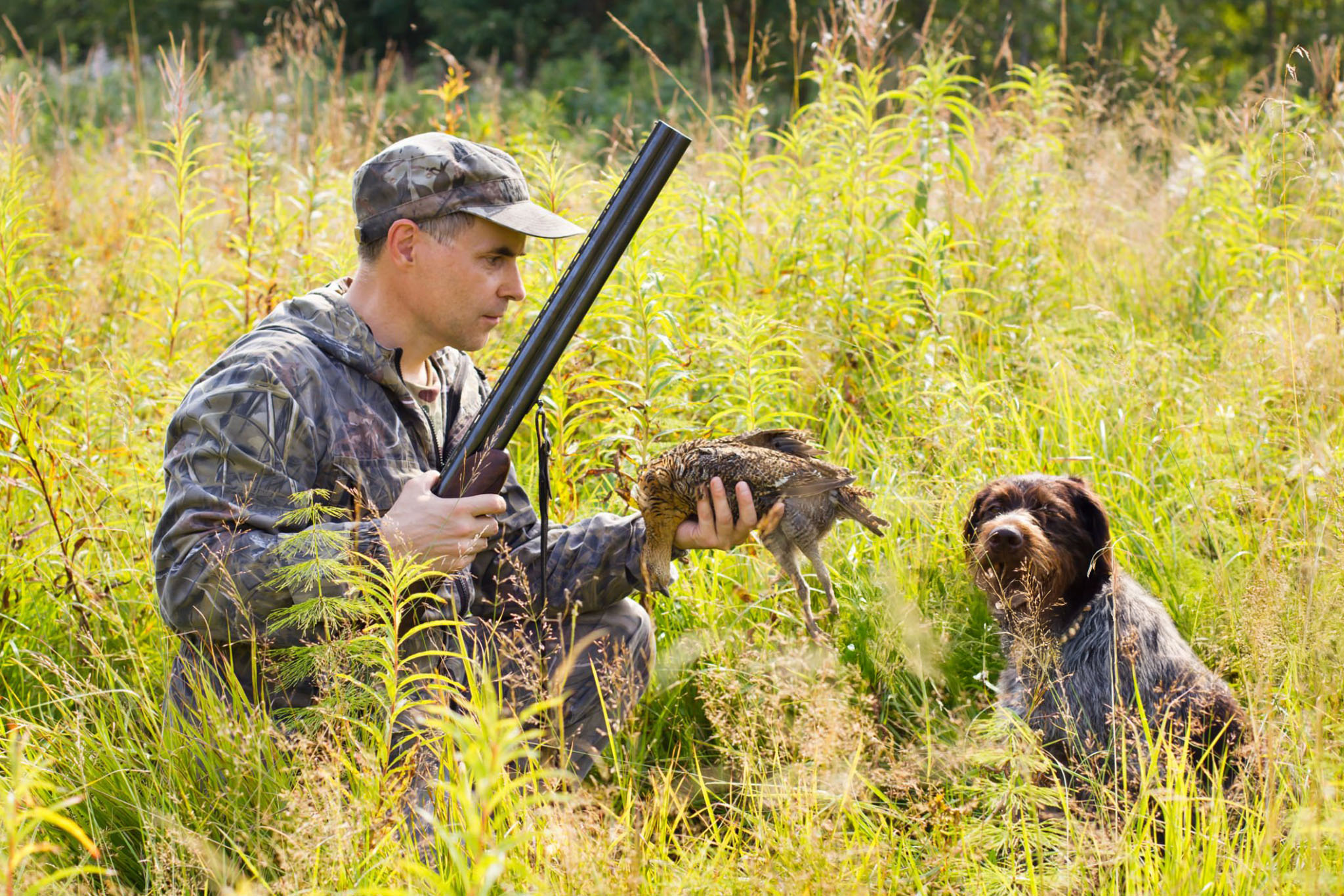
When the main marshes go quiet and the skies above big lakes turn empty, most waterfowlers assume the migration has passed. But seasoned hunters know better — the ducks are still around. They’ve simply gone underground, trading open water and high-pressure hotspots for secluded backwaters, hidden sloughs, and forgotten creeks.
Late in the season, when birds have been educated by weeks of calling, decoy spreads, and gunfire, backwater hunting becomes the secret weapon. These overlooked sanctuaries hold some of the smartest, wariest ducks you’ll ever hunt — and if you know how to find and approach them, the rewards can be unforgettable.
Why Ducks Move to Backwaters
By December, ducks have seen it all. They’ve been chased from refuges, pressured in public marshes, and spooked by sky busters. The result? They gravitate toward quiet, protected places that most hunters overlook.
Backwaters offer exactly what they want:
- Safety: Less boat traffic and human activity mean less disturbance.
- Food: Shallow water supports natural forage like acorns, smartweed, and invertebrates.
- Cover: Overhanging brush, willows, and flooded timber provide concealment from predators — and hunters.
- Warmth: Smaller, sheltered waters often freeze later, offering open water when larger lakes lock up.
In short, backwaters are survival zones — quiet, isolated, and rich in resources.
Where to Find Productive Backwaters
Finding these hidden honey holes takes effort. You can’t just look at a map and guess; it’s about knowing how ducks behave when pressure peaks. Start your scouting with these key habitats:
- Flooded Timber & River Sloughs
When rivers swell or overflow from late-season rains, shallow timbered sloughs become duck magnets. Mallards, wood ducks, and gadwalls love these pockets for their mix of cover and food. - Creek Mouths & Oxbows
Smaller creeks that feed into big rivers often stay open longer in cold weather. Ducks rest here because the current prevents ice formation and offers constant fresh water. - Hidden Farm Ponds
Ponds behind barns or deep in cattle pastures are often ignored by hunters — and that’s exactly why ducks love them. If you can get permission, these spots can be gold mines for late-season hunts. - Beaver Ponds & Wetland Pockets
Beavers create some of the best natural duck sanctuaries. Their dams trap water and create flooded timber environments perfect for mallards and teal. - Drainage Ditches & Back Channels
In agricultural areas, small drainage ditches and canals can hold surprising numbers of ducks, especially after snowmelt or rain adds fresh runoff.
Scouting Tactics That Pay Off
Scouting backwaters isn’t as easy as glassing big water from the truck. You’ll need to get boots — or waders — on the ground.
- Use satellite imagery: Tools like Google Earth or OnX Hunt reveal oxbows, sloughs, and small water bodies invisible from the road.
- Scout midday: Ducks resting in backwaters are often visible during midday when they’re loafing quietly.
- Look for fresh sign: Tracks, droppings, feathers, and water movement can tell you whether ducks are actively using an area.
- Go silent: Avoid using calls during scouting trips — noise can push birds out of these sensitive spots for good.
Patience and discretion are critical. Once you find ducks using secluded backwaters, keep the pressure minimal to ensure they stay there through the end of the season.
Concealment in Tight Cover
Backwater hunting is all about getting close — often within 20 or 30 yards of birds sitting in shallow, brushy water. That means concealment is non-negotiable.
- Natural cover first: Use cattails, branches, or willows instead of bulky blinds that stand out.
- Blend with the surroundings: Match your camo to the local vegetation — think faded brown and gray tones for late season.
- Stay low: The best setups often involve kneeling in shallow water or hiding behind natural debris.
If you’re hunting flooded timber, position yourself against a large tree trunk to break your outline and use the shadows to your advantage.
Smarter Decoy Strategies
In pressured backwaters, less is often more. Ducks using these hideouts aren’t responding to huge spreads — they’re reacting to realism and subtlety.
- Use smaller spreads: A dozen decoys is usually plenty; sometimes half that is even better.
- Mix species: Include a few wood ducks, mallards, and even coots to mimic natural loafing groups.
- Add motion naturally: A jerk rig or subtle ripple from wind looks more authentic than a spinning-wing decoy, which can spook late-season birds.
Place decoys tight to cover or along natural funnels where ducks prefer to land — like narrow openings or bends in a creek.
The Right Calling Approach
Late-season ducks have heard every hail call in the book. Backwater hunting rewards those who know when not to call.
- Tone it down: Use soft quacks and feeding chuckles instead of loud highballs.
- Call less often: Let the ducks make the first move — sometimes silence sells better than sound.
- Watch their reactions: If ducks flare or veer away, stop calling entirely.
Think of calling like a conversation — not a performance. The quieter, more natural your tone, the more believable your setup will feel.
Gear and Access Tips
Hunting secluded backwaters means traveling light and being adaptable.
- Small boats or kayaks: Perfect for navigating narrow sloughs or flooded timber.
- Light decoy spread: Carry only what you can set quickly and quietly.
- Waterproof boots or waders: Backwater terrain is muddy, unpredictable, and often waist-deep.
- Safety first: Always check depth and current before wading — backwaters can conceal deep holes and soft bottoms.
The fewer trips in and out you make, the better your odds of keeping birds relaxed and in the area.
Ethics and Conservation
Backwaters are often small, delicate ecosystems. Overhunting can quickly drive ducks away or damage habitat.
- Limit pressure: Hunt each spot sparingly — maybe once a week.
- Pack out shells and trash: Leave the place cleaner than you found it.
- Respect private property: Always ask for permission before entering backwater zones on private land.
Maintaining the health of these secluded environments ensures they continue to serve as safe havens for ducks — and for hunters seeking solitude — year after year.
Final Thoughts
Late-season success often comes down to thinking differently — and hunting differently. While crowds chase the same open waters, real waterfowlers are slipping quietly into the backwaters, where ducks find peace and hunters find opportunity.
These forgotten corners of the marsh are more than just backup plans; they’re where wild ducks show their truest habits, and where the hunt feels most authentic.
So when the main lake freezes and the shooting slows down, don’t hang up your waders. Grab a map, paddle into the timber, and explore the hidden world of backwater duck hunting — where the only sounds are wings, whispers, and the soft splash of success.
