
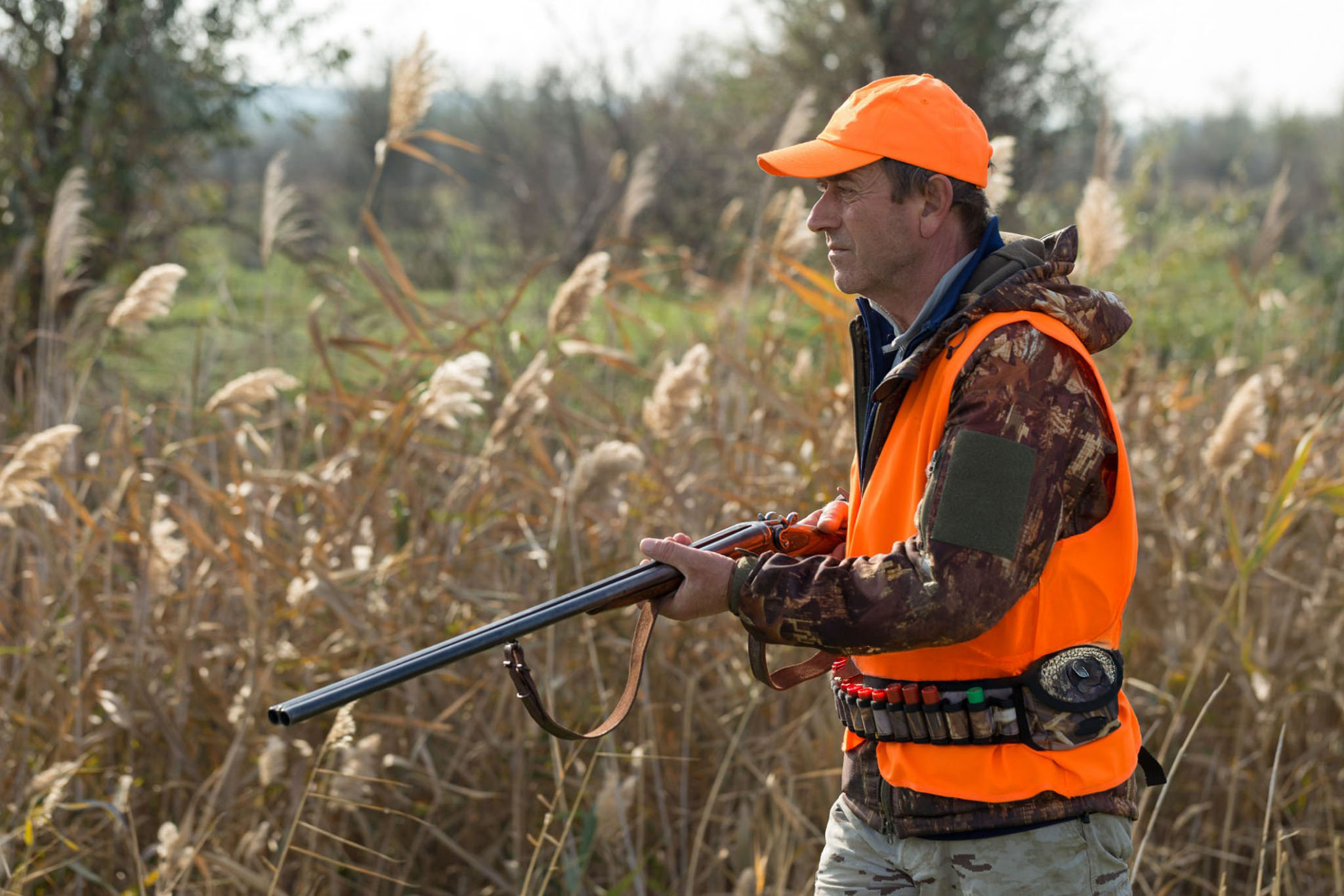
When winter settles in and the marshlands glaze over with ice, waterfowl hunting changes completely. The once-busy skies quiet down, the reeds stiffen with frost, and visibility opens wide across the frozen flats. In these conditions, ducks see better, fly higher, and spook easier — and that’s why your sound becomes your most powerful weapon. Cold, clear air amplifies everything, and for skilled hunters, that means one thing: duck calling takes center stage.
1. The Science Behind Sound in Cold Air
Cold air is denser than warm air, which means sound waves travel faster and farther. Every quack, chuckle, and feed call cuts through the crisp air like a knife. For hunters, this can be both a blessing and a curse.
On one hand, your calls reach distant flocks that you’d never attract in early-season humidity. On the other, poor calling — off-tone, repetitive, or unnatural — can send educated late-season ducks veering off before they even circle.
Understanding this science helps you play smarter. In cold, still mornings, even a soft hail call can echo across a half-mile of open sky. Volume and tone control become critical; finesse wins over force every time.
2. When Ducks See Everything, You Need to Be Heard
In the early season, dense vegetation and hazy humidity give hunters some visual cover. But as fall turns to winter, that cover disappears. Bare cattails, frozen reeds, and open skies make concealment harder than ever.
Ducks flying over a frozen marsh can spot an unnatural blind or a misplaced decoy spread from hundreds of yards away. That’s where calling gives you the edge. A convincing sequence — the kind that mimics natural conversation between ducks — can redirect their focus. Instead of scanning for threats, they start listening for friends.
Think of your call as a distraction. The goal isn’t just to lure them in — it’s to make them believe what they hear more than what they see.
3. Timing Is Everything: When to Call in Cold Air
Cold-air hunting isn’t about constant chatter. Ducks in late season are wise — they’ve heard every call on the market. Overcalling can be fatal to your hunt.
- Early morning: Use soft greeting calls and single quacks to get their attention as they move off the roost.
- Mid-morning: If you spot flocks circling but not committing, mix in light feeding chuckles. Don’t get loud — let curiosity pull them closer.
- Midday: In bright, still conditions, go almost silent. Only call when ducks change direction or seem to lose interest.
- Afternoon: Cold fronts often trigger new movement; use longer hail calls to reach migrating groups high in the sky.
The trick? Match your rhythm to nature’s pace. Cold air doesn’t require constant sound — it rewards patience and realism.
4. Tone, Pitch, and the Power of Realism
When the air is crisp, sound clarity skyrockets. Every imperfection in your call — every flat note or overly sharp blast — stands out. Ducks hear the difference.
To master late-season calling:
- Lower your pitch: Ducks sound deeper and raspier in cold air. Mimic that throaty tone.
- Slow your cadence: Don’t rush your notes. Cold-weather ducks move slower, feed slower, and talk slower.
- Use back pressure control: Adjusting the airflow with your hand or diaphragm adds subtlety and depth to your sound.
The most successful callers treat their call like a musical instrument — one that adapts to the day’s conditions, not just a tool they blow into.
5. Reading the Flock: Call with Purpose
One of the biggest mistakes hunters make in cold weather is calling without intent. Ducks are intelligent and social; they respond to meaning, not just noise.
- If ducks are flying high: Start with a confident hail call to grab attention.
- If they bank toward you: Drop to soft quacks and chatter — they’re listening now.
- If they hesitate or flare: Go silent. Sometimes, no call is the best call. Let the decoys do the talking.
Late-season birds are testing your patience. Show them restraint, and they’ll show you trust.
6. Position and Acoustics Matter
Where you call from is almost as important as how you call. Cold air often creates “sound traps” — places where calls echo unnaturally or fade quickly.
Set up near natural barriers like tree lines or levees that help carry your sound across the water. If you’re hunting open ice, position yourself where wind direction will carry your call toward the flight path.
Avoid calling inside heavily brushed blinds that absorb sound or distort tone. Let your call breathe — the open marsh is your amplifier.
7. Gear Check: Keeping Your Call Clear in the Cold
Cold conditions wreak havoc on duck calls. Moisture from your breath can freeze the reeds, and sudden temperature changes cause warping. Keep a few simple tricks in mind:
- Keep your calls warm inside your jacket until you need them.
- Blow out moisture after each sequence.
- Carry a spare call — one short reed, one double reed — in case of freezing or malfunction.
- Avoid metal calls in sub-freezing weather; they can frost quickly and cause cracking sounds.
You wouldn’t let your shotgun freeze up — don’t let your call fail you either.
8. Blending Calling with Concealment
Even the best calling won’t work if the ducks spot you. Cold, clear air gives them a sharp visual edge. Your blind, decoys, and movement discipline all need to be as dialed in as your call.
- Keep your blind brushed with local vegetation that matches the winter tones.
- Stay low, minimize movement, and always wear face paint or a mask.
- Use Trudave insulated waders and boots to stay warm without moving too much — warmth means patience, and patience means success.
9. Adapting to Pressure: Late-Season Duck Intelligence
By December, ducks have been hunted for months. They’ve been called at, shot at, and chased off spreads across the flyway. The birds you’re after now are veterans.
That means your sound must be strategic, not theatrical. The smartest hunters shift from “selling” the call to conversing with the birds. The goal is subtle communication — a confident greeting here, a curious chuckle there.
Late-season calling is less about commanding and more about convincing.
Final Thoughts: The Sound of Stillness
In the deep chill of winter, the marsh goes quiet — except for you and the birds. Every sound carries. Every note matters. In that frozen silence, calling becomes more than a skill — it’s a conversation with nature itself.
Cold, clear air rewards the hunters who understand that less can be more, that subtlety can be strength, and that sometimes, one perfectly timed quack can do more than a hundred hail calls.
So this winter, remember: when the sight lines stretch for miles and the air is still enough to hear your breath, sound is your camouflage. Call smart, stay patient, and let the echo of your realism do the work.
