
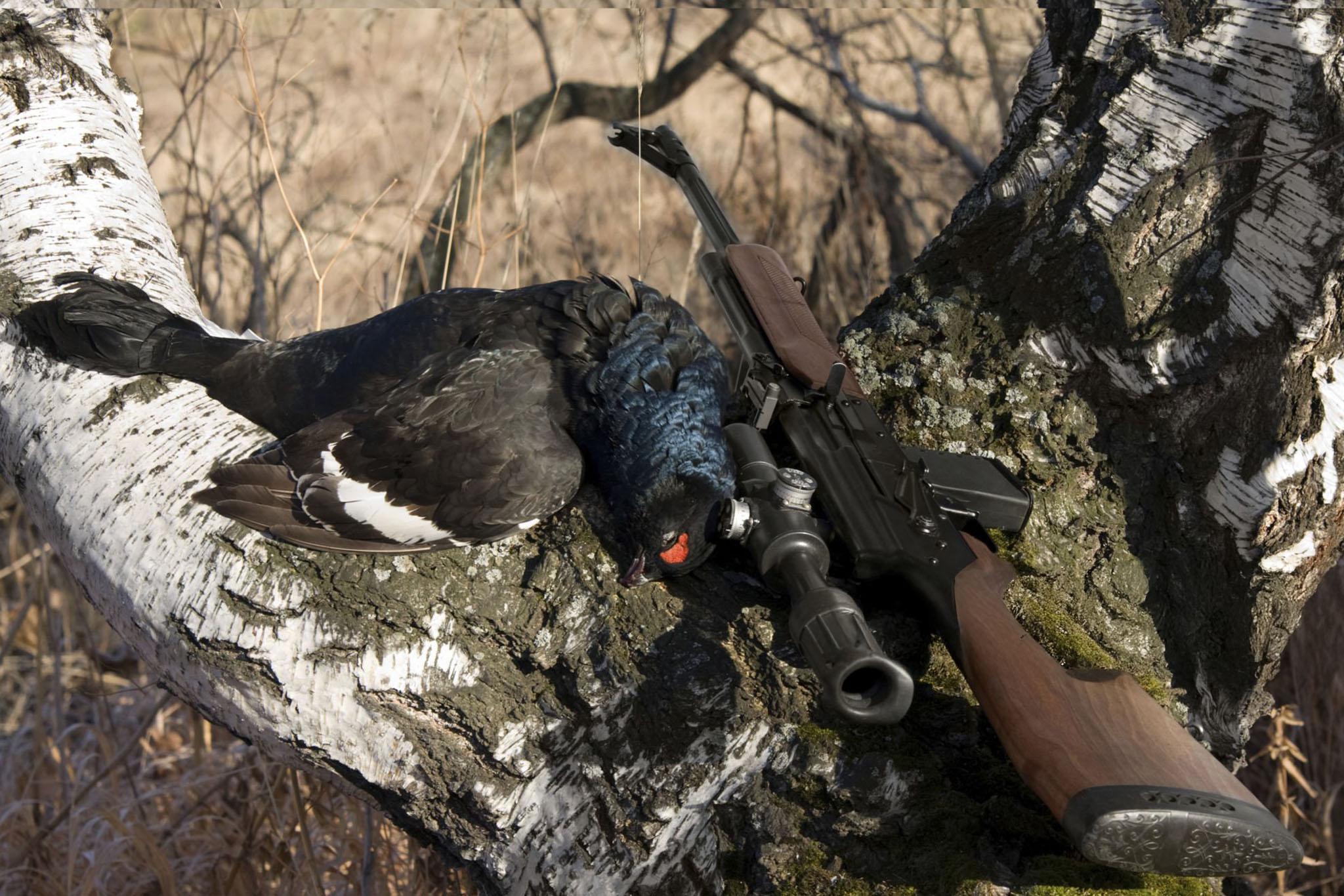
When winter tightens its grip and marshes start to freeze over, waterfowl hunters face one of the toughest challenges of the season — staying hidden. As vegetation dies back, reflections glint off the ice, and ducks and geese become wary, your blind-building game must evolve. Mastering concealment in frozen environments requires an understanding of both nature’s camouflage and the birds’ changing behavior.
1. The Challenge of Hunting in Frozen Marshes
Frozen marshes are an entirely different world compared to early-season wetlands. The landscape loses its lush green cover, sound travels farther, and birds fly higher and more cautiously. Ice creates mirror-like surfaces that reflect sunlight and movement, making concealment more difficult. The key to success lies in blending seamlessly with this new environment — one defined by muted tones, harsh light, and minimal cover.
Late-season waterfowl have been pressured for months. They’ve seen every type of blind, decoy, and call imaginable. To fool them now, you need a setup that looks like it belongs — subtle, natural, and completely still.
2. Location: Using Ice to Your Advantage
When scouting for your blind location, look for open pockets in the ice or areas where moving water keeps the surface from freezing solid. Ducks and geese naturally gravitate to these spots because they offer access to food and rest.
If you’re setting up on the ice itself, position your blind near small openings or cracks that look like natural thaw zones. Avoid large, unnatural holes that may spook incoming flocks. A good tactic is to chip open a modest hole, scatter broken ice chunks around it, and place decoys close by to mimic birds resting near open water.
3. Blending In: Natural Materials and Color Matching
In frozen marshes, the right color palette is everything. Replace green brush with dried reeds, cattails, and bulrushes that match the faded tones of winter. Snow-covered environments demand a more neutral approach — whites, grays, and browns layered together.
If you’re using a portable blind or boat blind, cover every shiny surface with fabric, burlap, or frozen vegetation. The trick is randomness — nothing should look uniform. Patchy, uneven cover mimics the natural chaos of winter marsh vegetation.
Pro tip: Frost your blind naturally. Let condensation and cold air freeze a thin layer of ice over your blind’s exterior. It dulls colors and helps you blend in with the surroundings.
4. Structure: Building Stability on Ice and Mud
Stability is critical when building blinds on frozen or partially thawed ground. Ice can shift under weight or crack as temperatures change. Lightweight frame blinds work best — aluminum poles, mesh backing, and grass mats allow flexibility and safety.
If you’re constructing a semi-permanent blind, use stakes that anchor into the mud beneath the ice layer, ensuring the structure won’t drift or tip. Avoid excessive weight; a blind that collapses mid-hunt can ruin your concealment and potentially put you in danger.
For layout blinds, dig into snowbanks or ice drifts to reduce your profile. Always test your footing before settling in, especially near edges where ice meets open water.
5. Managing Movement and Shine
Late-season birds key in on the smallest movements. A twitch of your glove or glint from your shotgun barrel can flare a whole flock. To prevent this, keep your movements slow and deliberate.
Dull all reflective surfaces with matte paint or camo tape, including your gun, thermos, and binoculars. If the sun is bright, position your blind so the light hits behind you rather than directly on your setup.
Avoid looking straight up as birds approach — that pale face is a dead giveaway. Instead, keep your chin tucked and use peripheral vision until it’s time to shoulder your gun.
6. Using the Wind for Concealment
Wind direction plays two roles in frozen marsh hunting — scent and sound control. Strong winds carry your scent and noise across long distances. Whenever possible, set up with the wind at your back so the birds approach from downwind, reducing their chance of detecting you.
The wind also moves surrounding vegetation and snow. If your blind stays unnaturally still while everything else sways, you’ll stand out. A few loose reeds or hanging grass pieces on your blind can help you “move” with the environment.
7. Extra Edge: Snow Cover and Shadow Placement
Snow can be your best camouflage if used correctly. Cover your blind with a dusting of fresh snow, but avoid piling it too evenly. Add natural breaks and patches of grass to prevent the setup from looking artificial.
Position your blind in shadow when possible — along a tree line, snowbank, or frozen rise. Shadows flatten your silhouette and hide movement. Midday hunts benefit most from this, when sunlight is brightest and visibility sharpest.
8. The Human Factor: Warmth, Patience, and Awareness
Cold hunts test endurance as much as skill. Staying warm without bulky movements is part of good concealment. Layer up with moisture-wicking base layers, insulated waders, and waterproof outer shells like Trudave hunting boots that keep your feet dry in icy marshes.
Bring a thermos, stay still, and let patience work for you. Frozen marsh hunts aren’t about fast action — they’re about reading nature’s signals, adapting your blind, and striking at the right moment.
Final Thoughts
Building better blinds in frozen marshes isn’t just about hiding — it’s about harmony. The best hunters don’t fight winter’s challenges; they blend into them. From color-matched reeds to snow-dusted roofs and frozen silhouettes, every detail matters.
When the marsh is silent and your breath fogs the air, the illusion you’ve built becomes your greatest weapon. The birds won’t see you coming — and that’s the point.
