
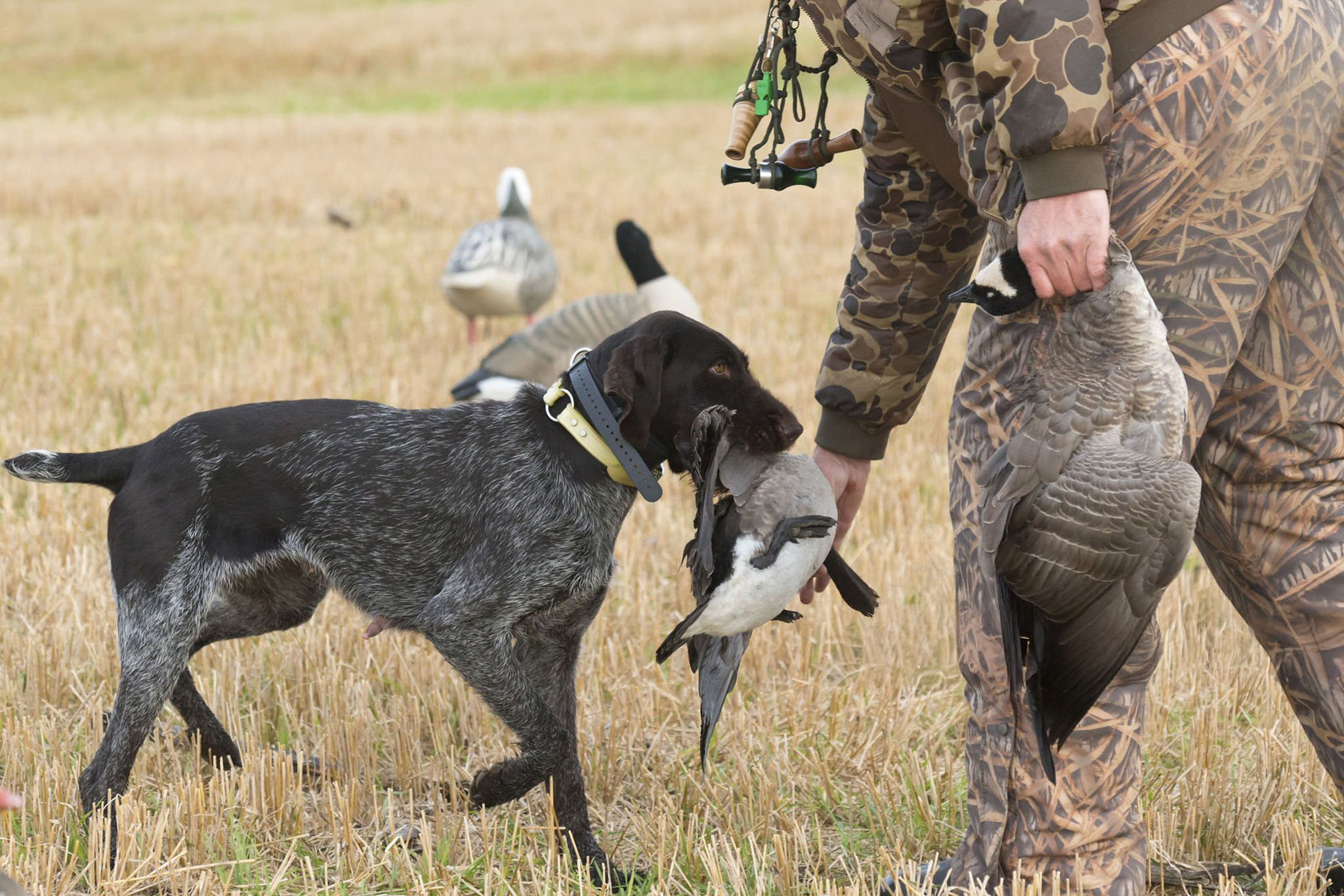
There’s a certain electricity in the air when the north wind starts to hum. The sky turns steel gray, the temperature drops, and every hunter sitting in a blind feels it—the anticipation that something big is about to happen.
Duck hunters call it a push—that magical stretch when waves of fresh birds ride the weather south, filling the skies and marshes almost overnight. But the hunters who truly cash in aren’t the ones who just get lucky; they’re the ones who know when and why it’s coming.
The Science Behind a Migration Push
When waterfowl move, it’s not random. Every major migration event is driven by a mix of weather, biology, and survival instinct.
At its core, a “duck push” is about energy conservation. Birds move south to find open water and food, but they only do so when conditions force them to.
Key triggers include:
- Strong north winds (10+ mph): Ducks ride these like conveyor belts, saving energy as they migrate south.
- Falling temperatures: A steady temperature drop—especially consecutive nights below freezing—locks up northern ponds and fields.
- Barometric pressure changes: Ducks are sensitive to pressure drops that signal approaching cold fronts.
- Clear post-front skies: After the storm passes and the wind calms, birds resume migration in huge, visible waves.
Hunters who watch the skies—and not just the calendar—can almost predict when those “full-sky” mornings will unfold.
Reading the Weather Like a Waterfowler
Weather forecasting apps are great, but seasoned hunters know that timing and combination matter more than any single number.
Here’s what experienced duck hunters look for when calling a migration:
1. The Front
A cold front sweeping from Canada through the Dakotas and into the Midwest is often the spark. Watch for:
- A sharp temperature drop of 15–25°F within 24 hours.
- A switch from southerly to northerly winds at 10–25 mph.
- Light snow or rain preceding a clearing sky.
2. The Calm After
The day after the front often produces the biggest pushes. Ducks that were waiting in the north lift off under clearing skies, riding those lingering north winds.
3. The Moon Factor
Many long flights occur under a bright moon—especially full or near-full phases. Ducks can navigate by moonlight, allowing for extended migration runs that last all night.
When these three align—a cold front, clear skies, and a bright moon—expect new birds by morning.
Tracking the Flyways
Knowing where the migration bottlenecks are can help you predict local movement. The four main flyways—Pacific, Central, Mississippi, and Atlantic—all react differently to weather systems.
- Pacific Flyway: Movements often start earlier, with ducks following mountain valleys and river corridors.
- Central Flyway: North winds out of Alberta and Saskatchewan send huge pushes into the Dakotas, Nebraska, and Kansas within 48 hours.
- Mississippi Flyway: Watch fronts tracking through Minnesota and Wisconsin; mallards and pintails move fast once the ice hits prairie potholes.
- Atlantic Flyway: Birds respond more to coastal wind shifts than cold, following inland and tidal marsh systems with dropping barometers.
If you’re hunting mid-flyway, a good rule of thumb is:
When the north gets snow, get your decoys ready.
Signs a Push Is Coming to You
Even before the skies fill, the marsh tells the story. Hunters who pay attention can sense migration changes through small, telltale signs:
- New species appearing overnight — pintails or gadwalls in spots that usually hold only mallards.
- Heavier flight at first light, even on mild mornings.
- High-altitude birds winging south in V-formations, ignoring local spreads.
- Fresh feathers floating in backwaters, signaling rest stops for migrants.
When you start seeing fresh birds trading the horizon after a front, don’t wait for the weekend. Go now. The best hunts rarely align with your schedule—they align with the wind’s.
Decoy Strategy for Fresh Ducks
New ducks behave differently than local, pressured birds. They’re less wary, more responsive, and often eager to join company. That’s your chance to capitalize—but only if you look realistic.
Try this setup:
- Looser, natural spreads: Avoid perfect “J” or “U” shapes. Scatter decoys with wider spacing to mimic relaxed, feeding ducks.
- Motion is key: Use jerk cords, spinners, or ripplers. New migrants are drawn to movement on the water’s surface.
- Call with confidence: Migrating birds respond well to highballs and comeback calls—they’re searching for company and a safe landing.
After a major push, keep an eye out for mixed flocks. You might see mallards flying with teal or wigeon, something that rarely happens with local birds. Those mixed groups are a clear sign the migration is peaking.
Hunting the Drop Zone: Timing Is Everything
When the birds finally arrive, how you time your hunt matters as much as where you set up.
- First 48 hours post-front: This window often brings aggressive feeding behavior and daylight movement.
- Late mornings: Migrating flocks often arrive mid-morning, especially in clear skies with steady winds.
- Afternoon loafing: After the chaos of early flights, ducks settle into small water—creeks, flooded timber, or protected ponds.
Stay flexible. If you can, take time off midweek when pressure is lower. Birds that have been flying all night are often looking for quiet water by sunrise.
Gear and Comfort for Front-Line Hunts
Cold-front hunting isn’t just about reading weather—it’s about surviving it. The best duck days often come with wind chills in the 20s, icy blinds, and ankle-deep mud.
To stay ready:
- Wear fully waterproof waders with insulated liners. High-end pairs like Trudave waders keep you dry when the wind howls and water temps drop below freezing.
- Layer for warmth, not bulk. Use moisture-wicking base layers, fleece mid-layers, and windproof outer shells.
- Protect your hands and feet. Heated insoles and waterproof gloves can turn a miserable morning into a memorable one.
A north wind is only miserable if you’re unprepared.
Final Thoughts: Trust the Wind
Every waterfowler dreams of that morning—the one where the horizon fills with birds, the air whistles with wings, and the sound of cupped mallards drowns out everything else. Those mornings don’t happen by luck. They happen when you learn to trust the wind, track the weather, and hunt the push.
So the next time a north wind rolls in and the skies clear, don’t just check the forecast—check your decoy bag, load the boat, and set your alarm early.
Because when the wind’s right, and the skies are full, the migration magic begins.
