
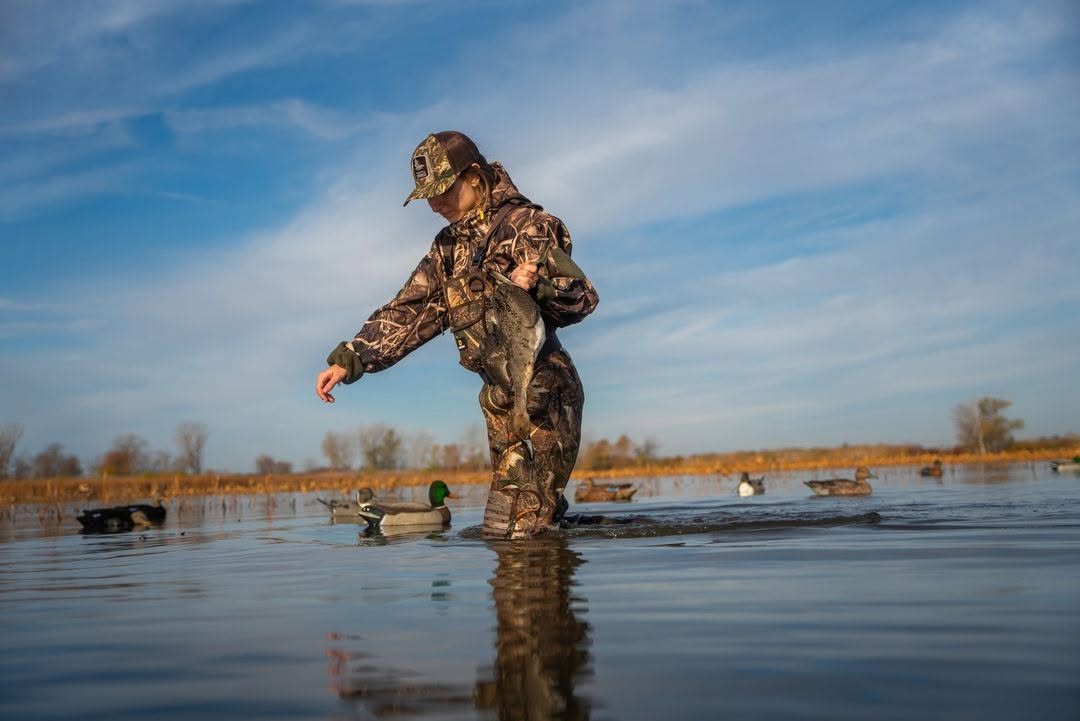
There’s nothing quite like the stillness of a shallow marsh at dawn — the mist rising from the water, the faint chatter of waterfowl in the distance, and the quiet tension before the first wings cut through the air. Hunting in the marsh isn’t just about pulling the trigger; it’s about understanding the rhythm of the wetlands, reading the subtle cues of nature, and mastering patience when every movement counts.
Understanding the Marsh: A Hunter’s Landscape
Shallow marshes are dynamic ecosystems — a mix of mud flats, cattails, and shallow water where ducks, geese, and other waterfowl gather to feed and rest. These areas are ideal for hunters who prefer close encounters and low-profile setups. But to truly succeed, you need to know how these birds use the landscape.
Birds are drawn to shallow marshes for food — seeds, aquatic plants, and small invertebrates — and for shelter from predators. Understanding wind direction, water depth, and vegetation layout will help you position yourself where the birds naturally want to land.
Pro tip: scout your marsh during different times of day. Morning and evening light can reveal feeding patterns and flight paths you won’t see at midday.
Gear Up for the Mud: Function Over Flash
The right gear can make or break a marsh hunt. Shallow wetlands are muddy, unpredictable, and cold, especially as fall deepens. A few essentials:
- Waders: Go with insulated chest waders that provide full waterproof coverage and warmth. Brands like Trudave or Hisea make durable neoprene options ideal for long sits in the muck.
- Decoy Bags and Stakes: Lightweight and mud-resistant bags keep your decoys manageable, even in knee-deep conditions.
- Shotgun Sling: A padded, non-slip sling keeps your gun secure while you wade or reposition.
- Camo Gear: Stick to muted marsh tones — browns, tans, and olive greens — that blend with cattails and mud.
Don’t underestimate comfort. If you’re wet or cold, you’ll move more — and in the marsh, movement means detection.
Decoy Strategy: Less Is Often More
In a shallow marsh, you don’t need a huge spread. Overcrowding the water can look unnatural and spook wary birds. Instead, use smaller, well-spaced groups that mimic relaxed feeding or loafing flocks.
A classic “J” or “U” pattern works well, leaving an open landing pocket for birds to set down into the wind. Add a few motion decoys — ripplers or spinning wings — for realism, especially on calm mornings.
Pro tip: watch how the birds react. If they’re landing short or circling too far out, adjust your spread or your hide position. Marsh hunting rewards those who adapt quickly.
Concealment: The Art of Staying Still
In the wide-open marsh, cover can be scarce. Blending in is as much about patience as it is about camouflage. Natural vegetation like cattails or bulrushes can form excellent hides. Build your blind with local materials, but keep it low and irregular — straight lines catch eyes.
Your best weapon here is stillness. Ducks and geese pick up on movement faster than you think. Keep your head down until the last second, and resist the urge to shift when you hear wings overhead.
Patience and Timing: The Marsh Hunter’s Mindset
Marsh hunting is not for those seeking instant action. You may wait an hour between flights, but that’s the nature of it. Success comes from patience and observation. Every sound and ripple can teach you something.
Watch how ducks react to weather shifts — when a cold front moves in, their feeding urgency spikes. Note when they lift off or return to roost. Each clue adds to your understanding and increases your odds for future hunts.
Respecting the Marsh: Leave No Trace
True marsh mastery isn’t just about taking home birds — it’s about preserving the habitat for the next season. Pack out spent shells, pick up trash, and avoid trampling vegetation unnecessarily. The more we care for the wetlands, the longer they’ll reward us.
Final Thoughts: Muddy Boots, Clear Mind
A successful shallow marsh hunt is equal parts strategy and serenity. It’s about accepting that the marsh controls the pace — not you. With the right preparation, gear, and mindset, you’ll not only fill your limit but also find peace in the process.
So pull on your waders, grab your decoys, and step into the mud. The marsh has lessons to teach — if you’re patient enough to listen.
