
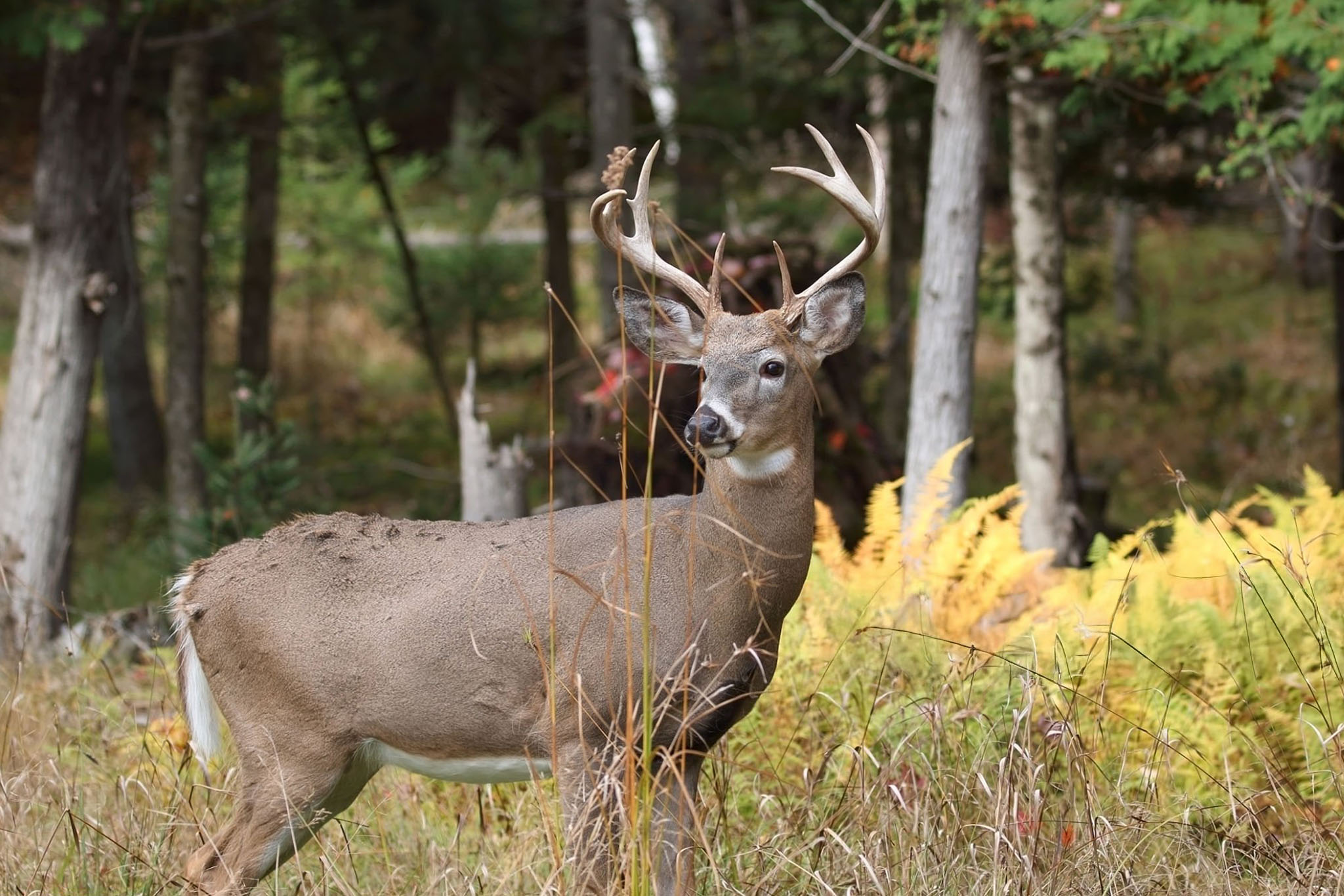
Mid-fall is one of the most unpredictable times in the whitetail woods. One week you’re sweating through your base layers in 70-degree sunshine; the next, you’re scraping frost off your windshield before dawn. These wild temperature swings — especially the arrival of cold fronts — have a major impact on deer behavior. Hunters who know how to read those shifts and adapt their strategy accordingly can turn a slow October into a season highlight.
Understanding how deer respond to changing weather conditions, food availability, and daylight length in mid-fall gives you the edge when others are still hunting summer patterns. Let’s break down what happens as the season transitions and how to stay one step ahead of the deer.
The Mid-Fall Transition: What’s Really Happening
October is the season’s “in-between” — a time when deer are shifting from predictable late-summer habits to the chaos of the rut. Bucks are beginning to separate from bachelor groups, does are feeding more heavily in preparation for breeding, and food sources are changing fast.
When the weather remains warm, deer often stay in their early fall patterns: bedding close to thick cover and feeding after dark. But the first strong cold front of October changes everything. As temperatures drop and pressure rises, deer sense the shift and become more active during daylight.
For hunters, this period requires flexibility. The same stand that produced sightings in early October might go dead quiet once a front moves through — or suddenly explode with movement right before it hits.
How Temperature Affects Movement
Whitetails are extremely sensitive to temperature swings. A 15- to 20-degree drop in just a few hours can flip the switch on their activity levels.
- Warm Days (60°F and above): Deer conserve energy and stay bedded longer, often remaining in thick shade or low-lying creek bottoms where it’s cooler. Morning hunts can be slow, with movement limited to the last 30 minutes of daylight.
- Cooling Trends: As temps dip into the 40s, deer start feeding earlier in the evening and moving more confidently during daylight.
- Cold Front Arrivals: The best time to hunt. High barometric pressure, cool air, and low humidity all trigger feeding and travel activity, especially from mature bucks.
If you can plan your hunts around these cooling cycles, you’ll be in position when others are packing it in early.
Adjusting Stand Locations
A lot of hunters make the mistake of sticking with early-season setups — primarily food-source edges — long after deer have shifted to mid-fall movement. Once a few cold fronts move through, bedding and travel patterns change dramatically.
Here’s how to adapt:
- Before the Front: Focus on transition zones between bedding and food. Deer often feed heavily just before weather shifts.
- During the Front: Hunt thick cover near bedding areas. Deer will stay protected from strong winds and conserve energy, but bucks may still cruise downwind edges looking for early does.
- After the Front: Move closer to primary food sources like acorns, standing corn, or food plots. The cold air and clear skies following a front often create perfect evening movement.
Look for fresh rub lines, tracks, and droppings along these transition routes — they’ll tell you where deer are adjusting.
Wind Direction: The Silent Dealbreaker
When temperatures drop, the wind picks up — and that can make or break your setup. Always pay attention to shifting wind directions before, during, and after a front.
Deer rely heavily on their sense of smell, so even a subtle change in wind angle can bust a great stand. If the forecast calls for a front, prepare multiple stand options based on expected wind shifts.
Pro Tip: Hunt the crosswind. Position yourself so your scent drifts parallel to the deer’s expected path, not directly toward or away from it. This gives you a margin of safety and often catches mature bucks traveling just downwind of does.
Food Source Shifts: What Deer Are Eating Now
By mid-fall, the menu changes dramatically. Soybeans are yellowing, corn is being cut, and acorns are dropping. Deer abandon summer fields and begin keying on mast crops and green regrowth.
Here’s what to key on:
- Acorns (especially white oak): The number one mid-fall magnet. Deer will abandon almost any other food to hit a heavy acorn drop.
- Fresh Cut Corn: Provides both food and cover — a hot spot after harvest.
- Fall Food Plots: Clover, brassicas, and winter rye attract deer once temperatures drop and natural browse declines.
- Apple or Persimmon Trees: If you’ve got them, hunt them. Late fruit drops draw deer in daylight.
Scout regularly and adjust your stand locations to match shifting food availability — deer behavior follows calories this time of year.
Gear Up for the Temperature Rollercoaster
Mid-fall weather can turn a comfortable hunt into a test of endurance in hours. Dressing in layers and staying adaptable is key.
Start with a moisture-wicking base, add an insulating mid-layer, and finish with a windproof shell. Waterproof boots — such as Trudave insulated hunting boots — are worth their weight in gold when the ground is damp and temps drop overnight. They’ll keep your feet warm, dry, and scent-free during long sits.
Also, keep hand warmers and an extra hat in your pack; small comforts make a big difference when temperatures plunge unexpectedly.
Reading Sign After a Front
The best scouting happens right after a weather event. Cold fronts leave behind clues — fresh tracks in softened mud, broken branches from bucks rubbing, and churned soil near food sources.
Walk field edges and transition zones to read fresh sign and adjust your next sit accordingly. Bucks are covering more ground after the first few frosty nights, so pay attention to:
- New rubs and scrapes appearing overnight.
- Fresh trails cutting across downwind edges of doe bedding areas.
- Heavier prints and wider stride patterns — indicators of mature buck movement.
These signs often tell you where the action will be before daylight breaks.
Patience and Timing Pay Off
The hardest part of mid-fall hunting is knowing when to move and when to wait. Many hunters burn out their best spots too early. Instead, be strategic — plan your hunts around the weather, not the calendar.
If a strong front is forecasted, take that day off work or adjust your schedule — those windows often produce the best daylight movement of the entire month.
Remember: the deer are adapting — and so should you. The hunters who read the weather, shift their setups, and trust the pattern changes are the ones who fill tags before the rut even peaks.
Final Thoughts
Mid-fall deer hunting is a game of adjustment. The warm days of early October give way to frosty mornings and shifting winds that challenge even experienced hunters. But for those who learn to adapt — matching stand location, timing, and tactics to each cold front — success comes naturally.
When temperatures drop and the woods come alive again, you’ll know exactly where to be. Stay flexible, hunt smart, and let the weather work in your favor.
