
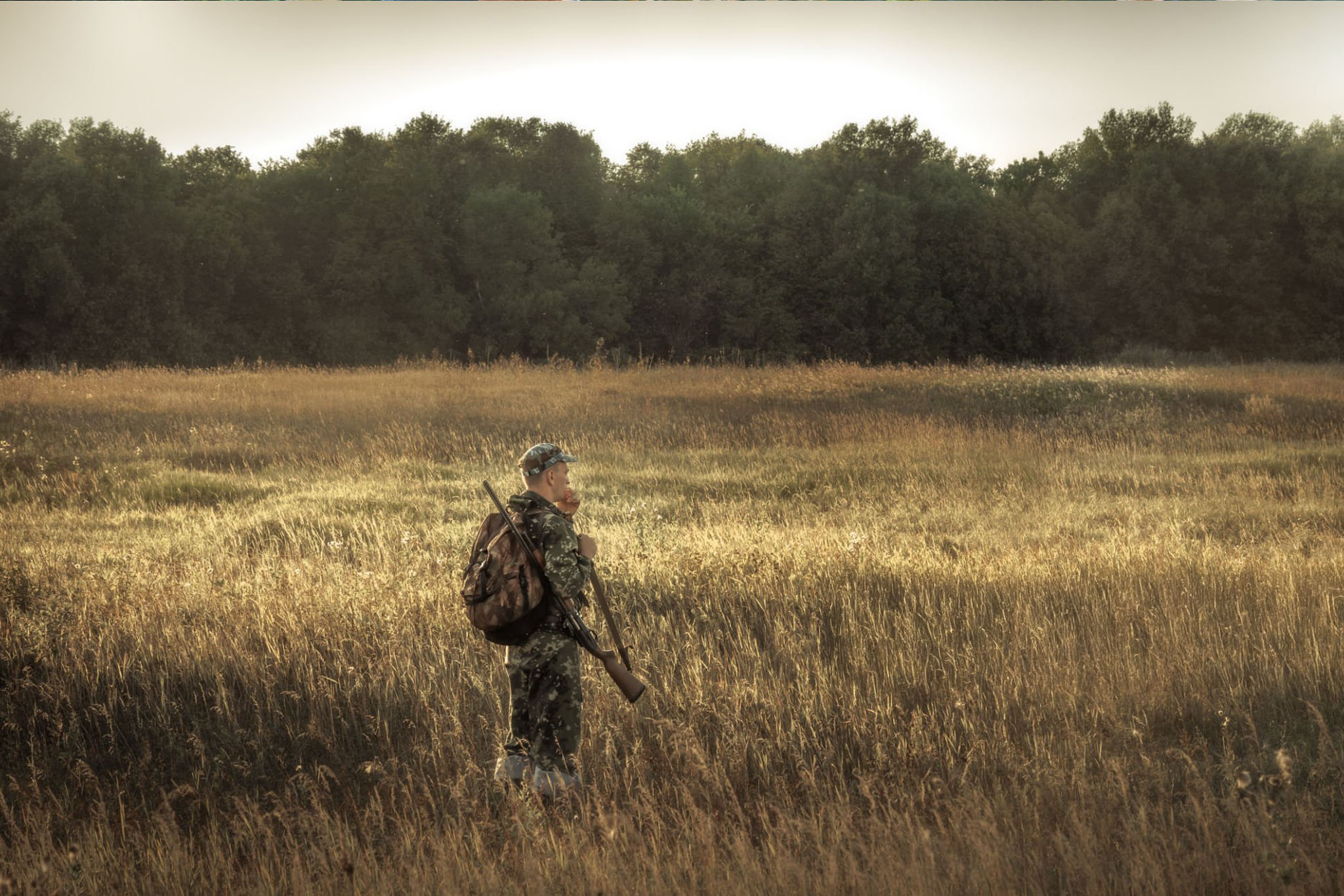
Every deer season, hunters obsess over wind direction, food sources, and sign. We hang stands near oak flats, bedding edges, or travel corridors — the “classic” spots every hunting magazine seems to praise. But sometimes, the most productive stand site isn’t in those picture-perfect locations. This fall, there’s one overlooked area that might just produce your best hunt of the season: the transition funnel between overlooked cover and secondary food sources.
🦌 Why Hunters Miss This Spot
Most hunters set up close to obvious sign — rub lines, scrapes, or well-worn trails. But mature bucks, especially in mid- to late-fall, rarely travel those open routes during daylight. They use the edges of security cover, skirting the margins of known food areas rather than marching straight through them. These in-between zones — maybe a thin strip of brush between a thick bedding area and a small, ignored clearing — often go completely unnoticed.
The reason? They don’t look like classic deer habitat. No wide trails. No big tracks. But they’re perfect for mature bucks that rely on stealth and safety.
🌾 What Makes These Transition Funnels So Productive
- Security + Mobility
Bucks can move from bedding to feeding with minimal exposure. The dense brush or saplings provide instant cover, giving them the confidence to travel even in daylight hours. - Natural Funnels
These areas often pinch down deer movement between terrain features — a low swale, a ditch line, or the edge of a briar thicket. Deer naturally funnel through these spots, and you can predict that travel with surprising consistency. - Less Pressure
Because most hunters overlook these micro-zones, deer don’t associate them with danger. They feel comfortable using them repeatedly, especially after the first few weeks of the season when pressure builds elsewhere. - Perfect Wind Options
These funnels often sit in spots where you can play the wind advantageously — setups where your scent blows into “dead” zones that deer rarely travel. That gives you a stealthy edge that’s hard to find in open areas.
🌬️ How to Identify a Productive Funnel
When scouting this fall, pay attention to subtle landscape features that connect thick cover with smaller, secondary food sources. Some prime examples include:
- A narrow finger of woods leading from a bedding ridge to an overgrown hayfield.
- A dry creek bed cutting between timber and an isolated clover patch.
- The edge of a swamp or cattail marsh connecting two denser cover zones.
- An old fence row overgrown with brush that links pasture edges to timber stands.
If you find faint trails, scattered rubs, or even just one or two fresh scrapes, mark it. That’s a big buck’s signature. Don’t expect heavy traffic — mature bucks often travel alone and leave only subtle clues.
🪵 The Ideal Stand Setup
The key to hunting these overlooked locations is subtlety. You don’t need a 20-foot ladder stand right on the edge of the funnel. Instead:
- Use a compact hang-on stand or saddle setup that blends into the background.
- Hang the stand just off the main trail, ideally 15–20 yards downwind of the likely travel path.
- Trim only minimal shooting lanes; keep natural cover intact.
- Access quietly — slip in using creek beds, tall grass, or contour lines that hide your movement.
The goal is to enter, hunt, and exit without the deer ever realizing you were there.
🌤️ Best Time to Hunt It
These funnels shine during two key periods:
- Pre-Rut (Late October) — Bucks begin cruising between doe groups but haven’t gone full rut-crazy yet. They move cautiously and favor these secluded routes.
- Post-Rut (Mid-November) — Mature bucks recovering from the frenzy use these travel corridors to feed safely before winter sets in.
Hunt during stable weather with light winds or just ahead of a cold front — bucks are likely to be on their feet, using these routes earlier in the day.
🦌 Real-World Example
Last fall in Iowa, a bowhunter named Brian L. discovered an unassuming strip of brush connecting two soybean fields. While everyone else hunted the field edges, he set up 30 yards inside the timber along a shallow ditch. On October 28th, just before a rain front rolled in, a 5½-year-old buck slipped through that funnel at 4:45 p.m. It never reached the main trail where other hunters sat. That’s the kind of payoff you get when you hunt smart, not obvious.
🌲 Final Thoughts
Deer hunting success often comes down to finding what others overlook. That small, brushy funnel between bedding and forgotten food might look unimpressive on a map — but to a mature buck, it’s the safest route in his world.
So before you hang your next stand this fall, take a second look at your property. Find those in-between zones, the half-wild, half-open spaces that most hunters walk right past. That’s where the oldest bucks live — and where your best shot of the season might be waiting.
