
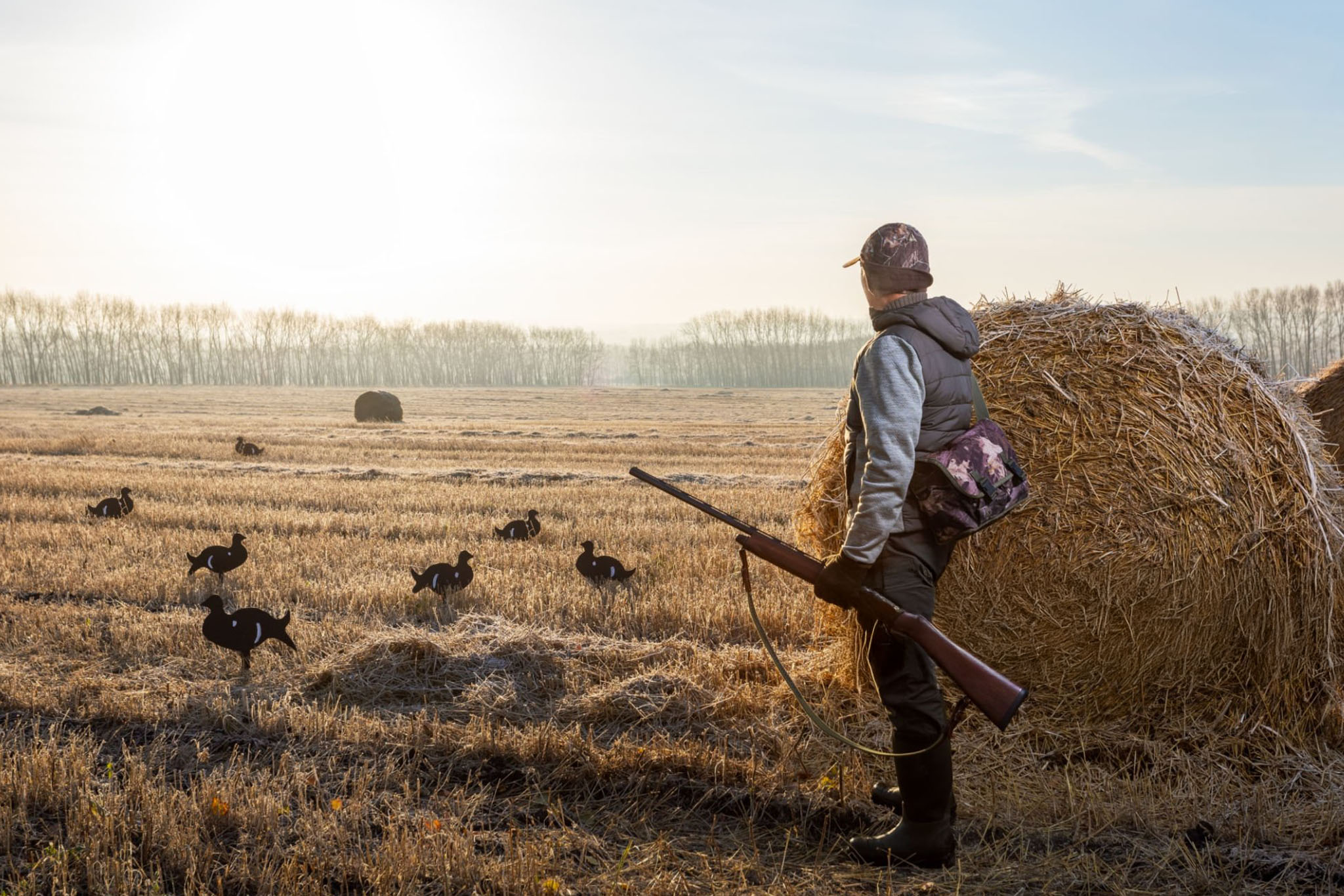
October marks a turning point in the waterfowl season. Early migrants are already on the move, pressured birds have seen countless decoy spreads, and the first northern ducks start trickling into new territory. For seasoned hunters, this is when “good enough” decoy setups start falling short. If you want to fool wary mallards, pintails, and gadwalls this month, you’ll need to rethink your spread — making it look and feel more like the real thing.
Below, we’ll break down how to rework your decoy spread for October birds, focusing on realism, movement, spacing, and adapting to changing conditions.
1. Understand October Behavior: Transition Is Everything
By October, many ducks have been hunted for weeks. They’ve grown cautious, and they’ve learned to recognize cookie-cutter decoy spreads from the air. Early migrants, like teal and wood ducks, may still respond aggressively, but big ducks are in a transition phase — feeding longer, grouping differently, and keying in on safe, undisturbed areas.
Instead of the tight, aggressive spreads that worked in September, October calls for subtlety. Birds are often feeding in looser flocks, resting in smaller backwaters, and reacting to local weather swings. Your decoy setup should reflect those changes.
2. Space and Shape: Mimic Natural Flocks
One of the biggest giveaways to educated ducks is uniformity. In nature, ducks don’t sit in perfect patterns. They form irregular shapes — open holes for landing zones, uneven lines, and scattered groups.
Try these layout adjustments:
- Loose spacing: Spread your decoys out more than usual, leaving 3–6 feet between each bird. This looks more natural and reduces shine from overcrowded plastic.
- Odd groupings: Cluster 3–5 decoys together in mini-pods, then leave open water between groups. This mimics how real ducks rest and feed in pods.
- Defined landing hole: Always leave a clear, open area upwind of your blind for birds to finish naturally. A “C” or “J” shape layout often works best.
Remember — ducks want safety. Overcrowding can make them suspicious, especially when the season matures.
3. Mix Your Species and Postures
By October, migration is mixed. It’s not just one species anymore — mallards, gadwalls, wigeon, and pintails might share the same pond. Mixing your decoys can sell the realism.
- Use different species: Add a few pintails or wigeons to a mallard spread for a natural look. Diversity shows feeding confidence.
- Change postures: Combine feeding, sleeper, and resting decoys. A few head-up sentries add alertness, while feeders and sleepers convey security.
- Include confidence decoys: Coots, geese, or even a heron decoy nearby can help suggest safety and activity.
The goal is to mimic a relaxed, mixed flock — the kind that signals “safe zone” to overhead ducks.
4. Movement Is King: Make the Water Come Alive
Still water equals suspicion. Especially on calm October mornings, ducks expect to see ripples and motion. You can add realism through controlled movement.
Here’s how:
- Ripple makers or jerk rigs: A simple jerk cord can add life to multiple decoys at once.
- Spinner decoys (with caution): Use spinning-wing decoys sparingly. Early in the season they’re magic, but by October many birds are wary. Try turning them off when flocks approach or switch to flashers with intermittent motion.
- Natural movement: If possible, set decoys where wind or current will create small ripples — even a light breeze can make a big difference.
5. Adjust for Weather and Light
Weather changes everything in October. Cold fronts push new birds in, while warm spells keep locals skittish. You’ll want to adapt your spread daily:
- On calm, sunny days: Spread out decoys, minimize shine, and use muted tones.
- On windy, overcast days: Tighten your spread slightly and let motion decoys shine.
- After a front: New ducks are less cautious — add more decoys to simulate a feeding frenzy.
Always take a few minutes before setting up to watch real birds. How they’re sitting on the water that day is your best guide.
6. Blend Your Blind — Don’t Let the Spread Down
Even a perfect decoy spread can fail if your blind stands out. By October, vegetation begins to change color, and so should your concealment. Use local grass, willow, or cattails that match the current landscape. Keep shadows minimal and reflections off your gun barrels and faces.
Ducks key in on inconsistencies — a glowing blind or mismatched cover can ruin the illusion of safety your decoys work to create.
7. Keep Experimenting — No Two Days Are the Same
Successful duck hunters are always tinkering. The beauty of October is its unpredictability: one morning might be calm and foggy, the next windy and cold. Be ready to adjust your decoy count, formation, or even species mix based on what the birds tell you.
Keep notes on what works. Over time, you’ll build your own October playbook — a proven formula tuned to your waters and your ducks.
Final Thoughts
October ducks are sharp — they’ve learned from mistakes, watched others fall for bad spreads, and now demand authenticity. By reworking your decoy spread to match real-world conditions — spacing, species diversity, subtle motion, and proper concealment — you can turn wary midseason birds into confident committers.
In the end, it’s not about throwing out more decoys; it’s about building a scene that ducks believe in. Get that right, and you’ll watch those October birds drop into your spread like it’s the safest place on the marsh.
