
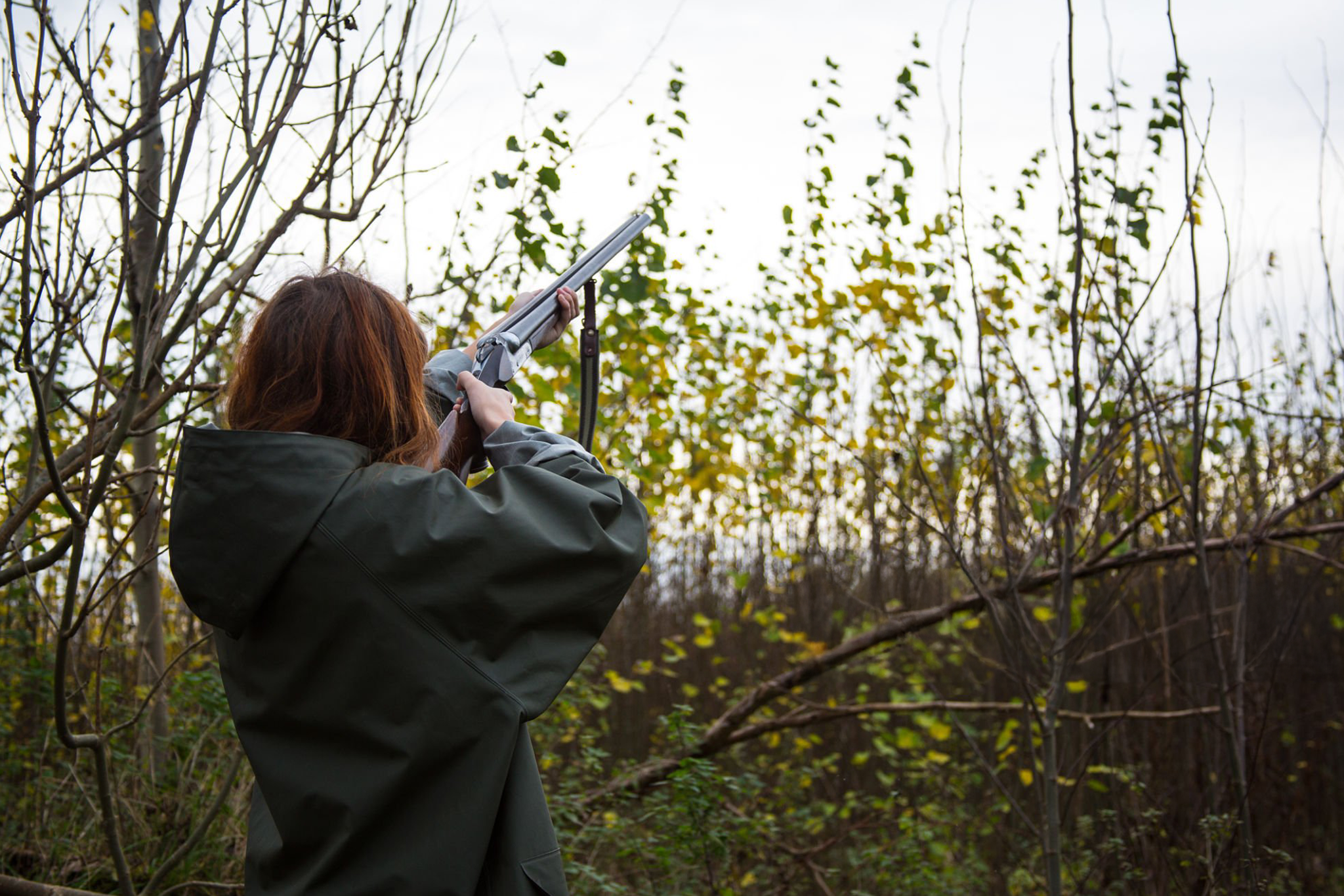
There’s nothing quite like a cold dawn on the marsh — your breath rising in clouds, the smell of wet cattails in the air, and the distant sound of wings slicing through the morning sky. For dedicated waterfowl hunters, those first minutes of daylight often make or break the hunt. Early light is when ducks and geese move most predictably, feeding, shifting between roosts, and reacting to the changing weather. But to make the most of those precious moments, your tactics must be sharp, your setup flawless, and your timing perfect.
Why Early Light Matters
Waterfowl are creatures of habit — and survival. As temperatures drop and pressure mounts, ducks and geese often move under the cover of low light to avoid detection. During the first 30 to 45 minutes after shooting light, birds are at their most active and vulnerable.
Here’s why that window is pure gold:
- Feeding instinct: Cold mornings trigger strong feeding behavior, especially after a night of rest and dropping temperatures.
- Reduced visibility: In low light, birds are less likely to spot minor setup flaws like glinting metal or shiny faces.
- Predictable flight paths: Waterfowl follow known routes between roosting and feeding areas before daylight exposes them.
If you’re not ready before dawn, you’re already behind.
Perfecting the Pre-Dawn Setup
Success begins long before legal shooting time. A sloppy setup will betray you when the first flocks buzz overhead.
- Scout smart: Identify where birds are roosting and feeding the evening before. Look for muddy shorelines, fresh droppings, or floating feathers.
- Arrive early: Give yourself at least 45–60 minutes to set decoys, brush blinds, and get situated. The less noise you make as daylight approaches, the better.
- Keep movement minimal: Avoid sloshing around after setup. Even subtle ripples or splashes can alert approaching birds in calm conditions.
Pro tip: Bring a headlamp with a red or green light — bright white beams can spook birds that arrive ahead of legal time.
Decoy Spreads That Shine in the Cold
When the temperature dips and water starts to skim with ice, your decoy spread should mimic natural cold-weather patterns. Ducks and geese flock tightly for warmth, and they move less in the water.
- Tight formations: Cluster decoys closer together to imitate real resting behavior.
- Open landing pocket: Always leave an inviting hole in front of your blind, downwind from your calling position.
- Add realism with motion: Use jerk rigs or motion decoys sparingly — the subtle ripple of one “swimming” bird can sell the whole spread.
For small ponds and backwaters, half a dozen well-placed decoys often outperform a massive, unnatural spread. It’s about realism, not quantity.
The Role of Calling in Early Light
Calling during those first few minutes requires restraint and timing. Ducks and geese are naturally vocal as they leave the roost, but overcalling can send them away before they’re even in range.
Smart calling principles:
- Use soft greeting calls or single quacks as flocks approach.
- Avoid hail calls in still, quiet air — they echo and sound unnatural.
- When birds commit, go silent. Let your decoys do the talking.
If you hunt with a partner, coordinate your calls. One steady cadence sounds natural; two overlapping sequences scream “danger.”
Playing the Wind and the Sun
Wind and light dictate where and how birds land. Always set your decoys with the wind at your back or quartering across your shooting lane — waterfowl land into the wind.
As the sun rises, it can either hide or highlight your blind. Position your hide so that:
- The sun is behind you, blinding incoming birds.
- Your shadow doesn’t stretch into your spread.
- You’re concealed with natural cover that matches your surroundings — reeds, cattails, or driftwood.
Even the best calling can’t overcome a bad setup if the wind and light aren’t working in your favor.
Clothing and Comfort: The Cold-Tested Essentials
Early morning hunts test your endurance as much as your skill. Staying warm, dry, and still is non-negotiable.
Must-have gear for cold morning hunts:
- Insulated waders (like Trudave or Hisea neoprene models) to keep your legs dry and warm.
- Layered base clothing — moisture-wicking inner layers, insulating fleece mid-layers, and a waterproof shell.
- Hand and foot warmers — numb fingers ruin fast shots and safe gun handling.
- A good thermos of coffee — morale matters when it’s 20°F and foggy.
Comfort equals focus. The warmer and drier you are, the steadier your aim and the longer you’ll stay sharp through the morning flight.
Timing Your Shots
At first light, visibility can be tricky. Resist the urge to shoot too early — many hunters misjudge distance in low light and skybust at silhouettes that are out of range.
- Wait until you can clearly see wing patches or head color before pulling the trigger.
- Practice mounting your shotgun smoothly and quickly — sudden movement stands out against the dim horizon.
- Focus on one bird per volley; shooting into flocks often means missing everything.
Remember: early light hunts reward patience more than aggression.
Staying Stealthy and Safe
Silence and safety go hand in hand on cold mornings. Ducks aren’t the only ones out there — with multiple groups sharing water access, miscommunication can lead to accidents.
- Use headlamps or glow sticks when walking to your blind pre-dawn.
- Confirm your field of fire before shooting light.
- Keep guns unloaded until you’re in the blind and ready to hunt.
When everyone plays smart, everyone gets to enjoy another sunrise.
When the Action Slows
Once the sun fully rises and the first flight settles, don’t pack up too fast. Late birds often move after the main rush, especially on bluebird mornings or after a heavy front.
Try:
- Changing decoy placement to freshen up your spread.
- Switching to feeding calls or soft chatter.
- Watching high skies — migrating birds often trade over later than locals.
Sometimes, your best shot of the morning happens long after most hunters have gone home for breakfast.
Final Thoughts
Cold mornings test a hunter’s grit, but they reward preparation and patience. When the first flock drops low over the water, their wings flashing in pink dawn light, all the early wake-ups and frozen fingers pay off.
Mastering early light waterfowl tactics isn’t just about shooting limits — it’s about reading the sky, anticipating the wind, and blending into a landscape that’s alive with motion. Every crisp morning is a new chance to make the most of those fleeting minutes when the marsh comes alive and the barrels run hot.
