
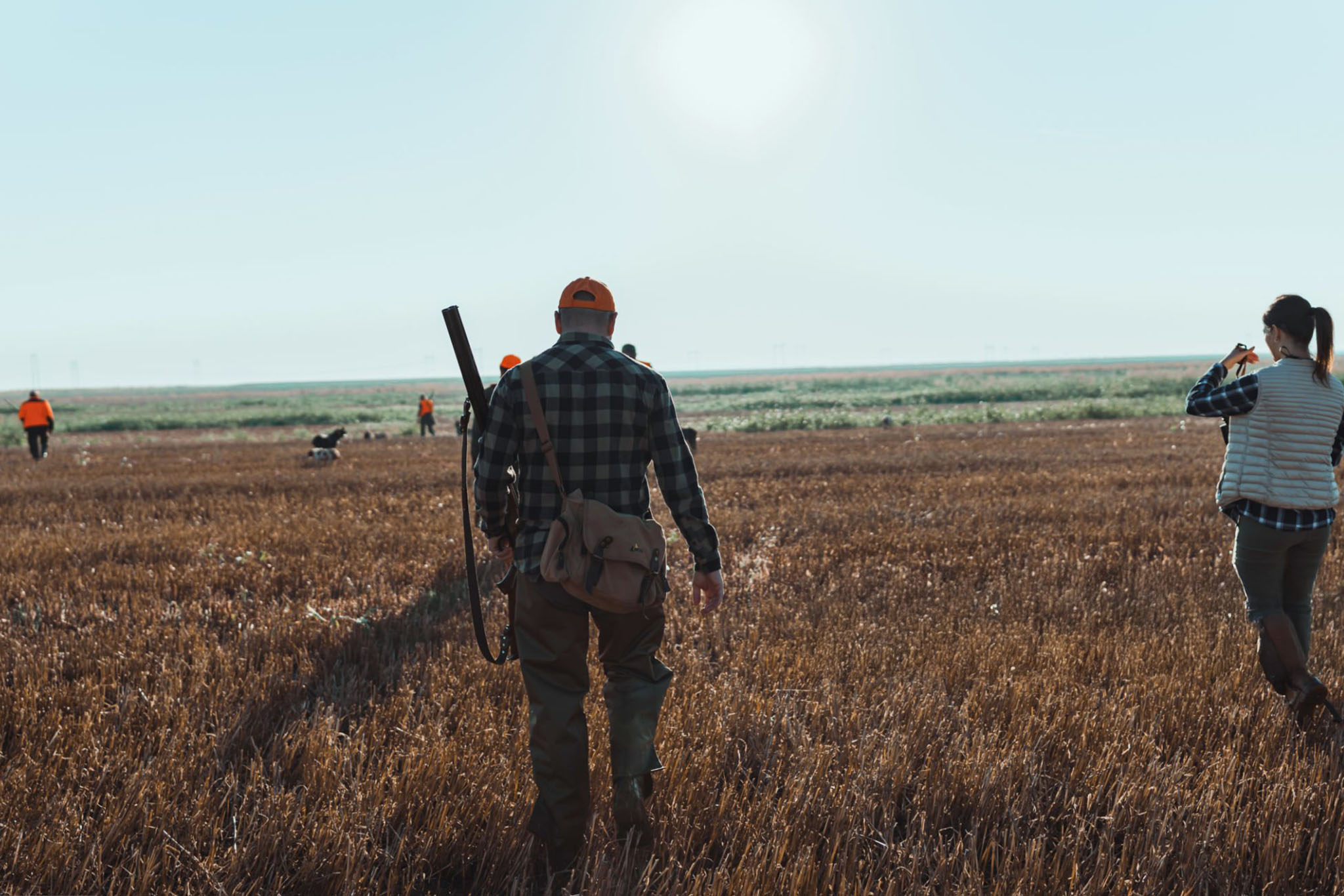
When the first sheet of ice creeps across your favorite pond and the mornings start with the crunch of frost underfoot, most duck hunters call it a season. But the late migration — when hardy northern flocks push south on freezing winds — offers some of the best hunting of the year for those who know where to look. The trick lies in scouting frozen edges — those thin, overlooked strips of open water where the last ducks of the season gather before heading south for good.
Understanding how to find and hunt these cold-weather hot spots is the key to success when others have packed it in. Let’s break down what makes late migration hunting so special, how to scout efficiently in freezing conditions, and what tactics turn tough days into limit days.
1. Why the Late Migration Is Different
By late November and December, most local ducks are long gone. What’s left are tough, educated, and wary birds — late-season migrants that have been hunted all the way down the flyway. They’re selective about where they land, preferring quiet, open patches of water and areas with dependable food sources.
This phase of the migration is heavily influenced by cold fronts and ice formation. When smaller ponds lock up, ducks funnel toward remaining open water — typically near rivers, spring-fed creeks, and reservoirs where moving water keeps the ice at bay.
For serious hunters, this creates a unique opportunity: every hard freeze shrinks available habitat, concentrating birds into predictable areas.
2. Scouting Frozen Edges: The Right Way
Late-season scouting is less about miles covered and more about precision and timing. Ducks move differently once ice forms — their feeding, roosting, and loafing sites change daily as conditions evolve.
Key Areas to Scout:
- Creek Mouths and Inflows: Warm water entering a frozen lake or slough can keep a pocket open, creating perfect landing zones.
- River Bends and Eddies: Current keeps ice thin; ducks use these as resting and feeding spots.
- Spring-Fed Ponds or Drainage Ditches: These may stay open weeks longer than surrounding water.
- Shoreline Transitions: Where cattails meet ice edges, ducks often tuck in for cover from wind and predators.
When scouting, glass from a distance with binoculars during midmorning and midafternoon. Birds often loaf during these hours, revealing where they feel safe. Avoid spooking them — late-season ducks won’t return to a disturbed spot for days, if at all.
3. Reading Ice Like a Pro
Understanding how ice forms — and where it doesn’t — is vital. Look for “blue ice” or thin, milky edges, which often indicate open water just beneath the surface. Strong sunlight or moving water below can keep small gaps ice-free.
Pay attention to wind direction as well. South-facing banks get more sun exposure, thawing faster. Wind can also push ice and open small leads overnight. These dynamic areas can become duck magnets, especially right after a cold snap breaks.
Pro tip: A drone or high-resolution satellite imagery app like OnX or Google Earth Pro can help you spot open patches without stepping foot in the field.
4. Late-Season Duck Behavior
When temperatures plummet, ducks conserve energy. They’ll often:
- Feed once a day, usually midmorning.
- Loaf in tight groups for warmth and protection.
- Avoid open exposure, preferring edges with cover or broken ice.
This means your best shooting opportunities might come between 9 a.m. and 1 p.m., not at dawn. Be patient — sometimes the best flocks don’t move until the sun has softened the ice.
5. Setting Up Smart: Small Water, Big Strategy
Hunting frozen edges requires a different setup than open-water spreads. The key is realism and restraint — too many decoys or poor concealment will flare birds fast.
Setup Tips:
- Keep the Spread Tight: Late migrants expect small rafts of ducks, not sprawling flocks. 8–12 decoys often outperform 30+.
- Use Mallards and Divers: Mix in a few black ducks or pintails if they’re common in your area — variety looks natural.
- Create Motion: Use jerk cords or battery-powered ripplers to mimic feeding movement on the icy surface.
- Concealment Is King: Snow camo or white burlap blinds blend perfectly into frozen shorelines. Brush up your hide with cattails or reeds to match the setting.
Remember — late-season ducks are watching for the smallest irregularity. Shadows, shiny gun barrels, or even breath vapor can ruin a hunt.
6. Calling and Decoying in the Freeze
By this point in the season, ducks have heard every call on the market. Less is more. Stick to soft quacks, content murmurs, and feeding chuckles. Let your decoy movement do most of the talking.
Use realistic placement — set a few decoys tight to the ice edge and a small open-water cluster to mimic feeding ducks that have found a thawed spot. Always leave a clear landing zone facing into the wind.
If birds are circling wide, tone down your calling, sit tight, and let them commit naturally. Patience beats pressure every time in late-season hunts.
7. Gear and Safety in Frozen Conditions
Scouting and hunting frozen edges come with risks. Thin ice, frigid water, and remote locations can turn dangerous fast. Preparation saves lives.
Essential Gear Checklist:
- Insulated chest waders with good traction.
- Ice cleats or stabilizers for footing on slick surfaces.
- A throw rope or flotation device in case of a fall-through.
- Spare clothes sealed in a dry bag.
- Portable propane heater or thermos of warm fluids for longer sits.
Never scout or hunt ice alone — and always test stability before stepping near open water.
8. Adapting to the Weather Fronts
Weather dictates everything in late migration. Watch for hard cold fronts, which push new birds south overnight. The first calm, sunny day following a front is often prime time — fresh ducks arrive, hungry and unpressured.
Conversely, during prolonged freeze-ups, look for warm spells that reopen water for a day or two. Those brief thaws can trigger massive duck movement and feeding binges.
Timing your hunts to these short windows makes all the difference between empty skies and full straps.
Final Thoughts
Late-season duck hunting isn’t for everyone — it’s cold, unpredictable, and physically demanding. But for those willing to grind through frost and frozen mud, the rewards are unmatched. Scouting frozen edges puts you exactly where the last hardy migrants pause before heading south — a front-row seat to nature’s toughest travelers.
When others are packing away their decoys, be the one watching the sunrise over cracked ice, listening to the whistle of wings in the still air. The season isn’t over — it’s just getting good for those who know where to look.
