
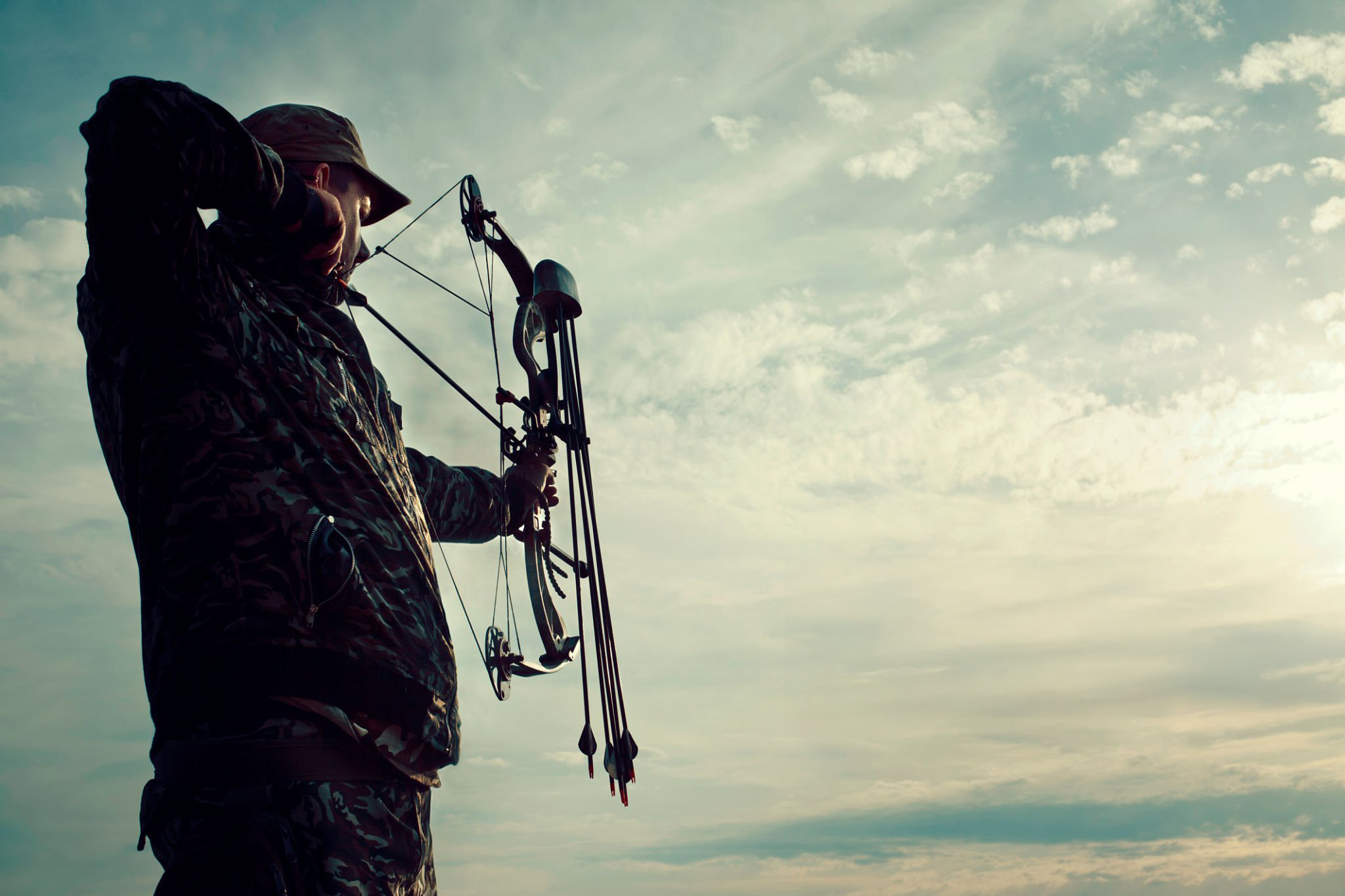
When it comes to mature whitetails, few travel routes are as underestimated — and as productive — as a quiet creek crossing. These spots offer everything an old buck loves: concealment, cool water, soft ground, and a route that keeps him hidden from both predators and hunters. For deer hunters looking to outsmart seasoned bucks this fall, understanding how to identify, hunt, and capitalize on these subtle corridors can be the difference between a close call and a filled tag.
Why Creek Crossings Are Big Buck Highways
Whitetails are creatures of habit and survival. Mature bucks especially prefer routes that minimize exposure and maximize cover. Creeks provide both. The banks and vegetation naturally block scent and sound, giving deer a safe way to travel between bedding and feeding areas.
During daylight, when most deer stay close to thick cover, creek crossings become vital connectors. Bucks will follow them to move between staging areas, acorn flats, and doe bedding zones without being seen. Because creeks tend to run through multiple habitat types — woods, pastures, and lowland funnels — they create perfect pinch points for hunters who know what to look for.
Finding Active Creek Crossings
Not all creek crossings are equal. Some are used by does and yearlings; others are hidden highways for mature bucks. To find the right ones, start by scouting:
- Look for Deep Tracks and Big Strides:
Wide, deep tracks with long spacing usually belong to heavy-bodied bucks. Pay attention to where these tracks enter and exit the creek — these spots reveal preferred routes. - Spot the Subtle Trails:
Mature bucks rarely use the most obvious trail. They often take a secondary path 10–30 yards away from the main crossing. These hidden trails are gold. - Watch for Rubs and Scrapes Nearby:
A creek crossing surrounded by fresh rubs on saplings or overhanging licking branches is a sure sign a buck is claiming territory nearby. - Use Trail Cameras Wisely:
Place cameras at knee height, angled slightly down the crossing trail, and check them sparingly. Bucks can easily detect over-scouting or new scent.
How to Hunt Creek Crossings Effectively
Once you’ve located a productive crossing, it’s time to plan your setup with precision.
- Play the Wind Perfectly:
Because scent can pool and swirl along creeks, check the wind often. Crosswinds are ideal. Avoid setups where your scent drifts toward bedding cover. - Set Up on Elevated Ground:
If the creek runs in a valley or low bottom, position yourself slightly above on a ridge or rise. This not only gives you a better shot angle but also helps your scent rise and disperse. - Use Natural Cover for Concealment:
Creek bottoms tend to have willows, cattails, or fallen logs. Use these to break up your silhouette rather than relying solely on your stand or blind. - Focus on Morning and Midday Movement:
Bucks often use creek crossings at first light to reach bedding areas or during midday to check for does during the rut.
Seasonal Timing: When Crossings Come Alive
In early October, creek crossings serve as quiet travel routes before hunting pressure increases. As the rut approaches, these same crossings become vital intersections for bucks seeking does while staying out of sight.
By late season, water sources freeze and food becomes scarce — deer traffic slows. But in warmer states or near spring-fed creeks, crossings remain active all winter long.
Gear Tips for Creek Bottom Hunts
- Rubber Boots: Keep scent off your entry path and stay dry while crossing the creek.
- Climbing Stands or Saddles: Adapt easily to irregular terrain and shifting deer patterns.
- Quiet Layers: Moist creek bottoms amplify sound. Choose fleece or brushed-fabric outerwear to stay silent.
- Binoculars or Rangefinder: Distances can be deceptive across creek valleys — always verify your range before the shot.
Reading Sign Like a Pro
One of the most overlooked clues is mud texture. Fresh, moist mud with sharp hoof edges means deer crossed within hours. Crusted-over prints show older traffic. Also, study where the prints lead — bucks often veer toward ridges, secluded clearings, or food sources after crossing.
And don’t ignore droppings — larger pellets grouped tightly together indicate a mature animal.
Patience Pays Off
Creek crossings don’t offer the excitement of a food plot or the visibility of a ridge stand, but that’s exactly why they work. These are the hidden arteries of the woods, traveled daily by cautious bucks who survive multiple seasons. When you commit to hunting one, play it slow. Let your first sit be purely observational if possible, then adjust your stand based on wind and deer movement.
Final Thoughts
If you’re chasing a mature buck this fall and feel like you’re always one step behind, start looking where others don’t — along quiet creek crossings. These overlooked funnels are where big bucks slip through undetected, trusting the same waterway cover they’ve used their whole lives. Learn the patterns, respect the wind, and set up smart — and when that heavy-bodied ghost finally materializes out of the creek bottom mist, you’ll know your patience paid off.
