
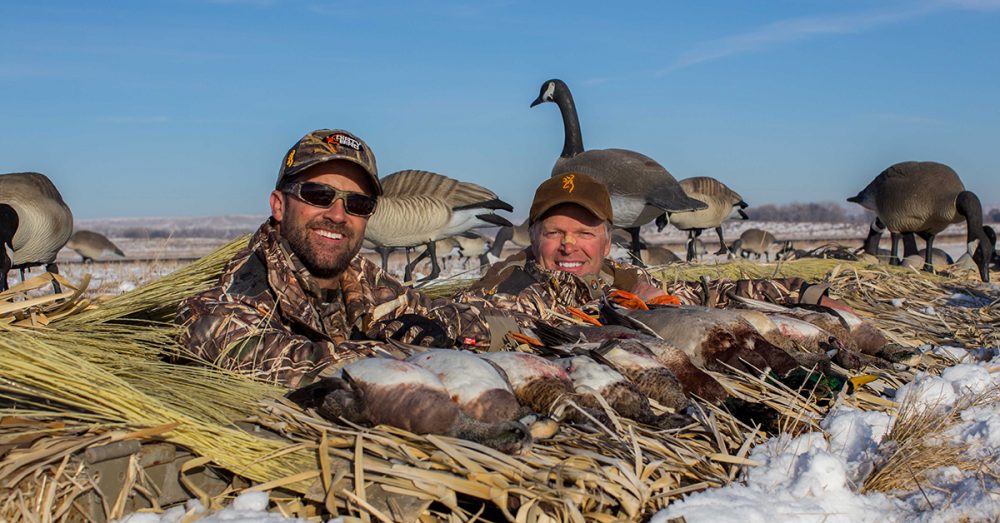
By the time late season rolls around, ducks have heard it all. From highballs echoing across flooded timber to nonstop chatter on open lakes, these birds have listened to months of calling — and they’ve learned to tell the difference between the real thing and a hunter with a call lanyard. That’s why fine-tuning your duck talk becomes critical as the migration winds down. Subtlety, timing, and realism can make the difference between a flock flaring wide and a drake locking its wings right into your spread.
If you’ve ever watched wary mallards swing wide and refuse to finish, this one’s for you. Let’s break down how to read duck body language, adjust your calling cadence, and use situational calling tactics to turn skeptical birds into confident ones.
1. Understanding the Late-Season Mindset
By November and December, ducks are no longer naive. They’ve traveled hundreds of miles, seen thousands of decoy spreads, and heard every variation of a greeting call from Canada to Arkansas. In short — they’ve been educated.
Late-season birds are call-shy, cautious, and quick to flare. They prefer natural sounds, realistic movement, and quiet confidence over constant chatter. They also key in on tone and rhythm — things that separate natural communication from human mimicry.
To consistently fool these birds, you need to shift your focus from volume to finesse. The best callers this time of year sound less like they’re “calling ducks” and more like they’re “talking to ducks.”
2. Reading Duck Body Language Before You Call
Before blowing your call, take a moment to read the birds. Their flight pattern tells you everything you need to know about how to respond.
- Head-on Approach (Interested): Soft greeting call or a few quacks to show life.
- Circling Wide (Curious but Cautious): Let them make the loop, then give a gentle comeback call once they start to drift.
- Locked and Dropping (Committed): Put the call down — any extra noise could spook them.
- Heading Away (Losing Interest): Hit them with a confident series of comeback quacks or feeding chuckles, then go silent.
The key is to mirror their behavior, not dominate it. Ducks decide where to land based on what they see and hear — your job is to make both match perfectly.
3. The Power of Subtlety: Less Is More
Many hunters make the mistake of calling too often or too loudly. Late in the season, ducks associate aggressive calling with pressure. Instead, aim for soft, realistic, situational sounds.
Try these subtle techniques:
- Single Quacks: One at a time, spaced naturally. Mimics relaxed ducks on the water.
- Soft Greeters: Two or three-note quacks to acknowledge passing birds without screaming.
- Feeding Chuckles: Gentle and spaced out — think of ducks contently dabbling, not excited chatter.
- Content Murmurs: Low, quiet mumbling to add realism to your spread when birds are circling.
You’re not trying to grab attention from a mile away anymore — you’re trying to convince nearby ducks that your setup is safe and natural.
4. Matching Call Style to the Situation
Every setting demands a slightly different calling approach. Mastering how to adjust for habitat type and conditions separates the good hunters from the great ones.
• Flooded Timber: Sound carries far in timber, so you can call softly and let echoes do the work. Use quiet, nasally quacks and soft feeding talk. When ducks commit, stop calling and get ready.
• Big Water or Marshes: Wind and distance swallow sound — use a stronger call to get attention, then tone it down as they approach. Start loud, finish soft.
• Field Hunts: Ducks often respond best to group chatter in open fields. Work a rhythm with your partners to simulate a real flock. Don’t overlap; build a “conversation” instead.
• Ice Edges or Small Ponds: Ducks here are often wary. Limit calling to occasional quacks and chuckles. Let decoy realism and motion do most of the convincing.
Each environment changes how ducks hear and interpret sound — so practice adjusting tone, cadence, and intensity before every hunt.
5. Timing: Knowing When to Call — and When to Stop
Timing is the most underrated skill in duck calling. Even a perfect call at the wrong time will blow a flock away.
Best Times to Call:
- When birds first spot your spread (to get attention).
- When they swing wide or start drifting off course.
- When they turn directly into the wind but seem hesitant.
When Not to Call:
- When birds are committed and dropping fast.
- When ducks are directly overhead (sound direction can spook them).
- During silent approaches — some flocks prefer quiet landings.
Remember, ducks use sound to locate safety. If your calls sound out of place or too persistent, they’ll pick up on it immediately.
6. Fine-Tuning Your Call for Realism
Late-season ducks notice everything — even the tone quality of your call. Plastic calls tend to sound too sharp in cold weather, while wooden or acrylic calls maintain a warmer, more natural pitch.
Pro Tip: Keep your call warm between uses. Cold reeds stiffen and change pitch. Slip it inside your jacket or use hand warmth to maintain flexibility.
Also, don’t neglect air control. Real ducks don’t blow air hard; they use throat and diaphragm pressure to create soft, fluid sounds. Practice at home with recorded duck chatter — match the breathing rhythm, not just the notes.
7. The Social Element: Team Calling Done Right
If you’re hunting with partners, calling coordination is critical. The goal is to sound like a natural flock, not a calling contest.
- Designate a lead caller — only they should run the main greeting or comeback calls.
- The others fill in with soft chuckles or single quacks.
- Avoid “dueling calls.” Two hunters trying to control a flock usually ends in confusion.
When done right, the teamwork sounds like a relaxed group of ducks communicating naturally, not hunters trying to show off their skills.
8. Adding Realism Beyond the Call
Ducks rely on more than sound. Combine realistic calling with natural movement and visual cues:
- Use jerk cords or ripple makers for lifelike water disturbance.
- Spread decoys naturally — tight clusters near the “talking” sound, looser groups elsewhere.
- Mix species and postures to mimic comfort and safety.
When ducks see calm body language, hear quiet chatter, and notice consistent movement, they’re much more likely to finish confidently.
9. Learning From the Ducks Themselves
The best teachers are the ducks. When you’re not hunting, spend time just listening — especially in refuges or no-hunting zones. You’ll pick up rhythm patterns, spacing between calls, and even tone variations between drakes and hens.
Record natural duck chatter on your phone and play it back during practice sessions. That raw soundscape — not YouTube tutorials — will train your ear for authenticity.
Final Thoughts
Calling in skeptical ducks isn’t about showing off your skills — it’s about communication. The goal is to blend in, not stand out. By mastering subtlety, reading bird behavior, and knowing when to keep quiet, you transform your calling from background noise into a convincing, confidence-building cue.
Next time a flock circles wide on a frosty morning, take a breath, ease into your call, and speak their language — not yours. Because in late-season duck hunting, it’s not about who calls the loudest. It’s about who calls the smartest.
