
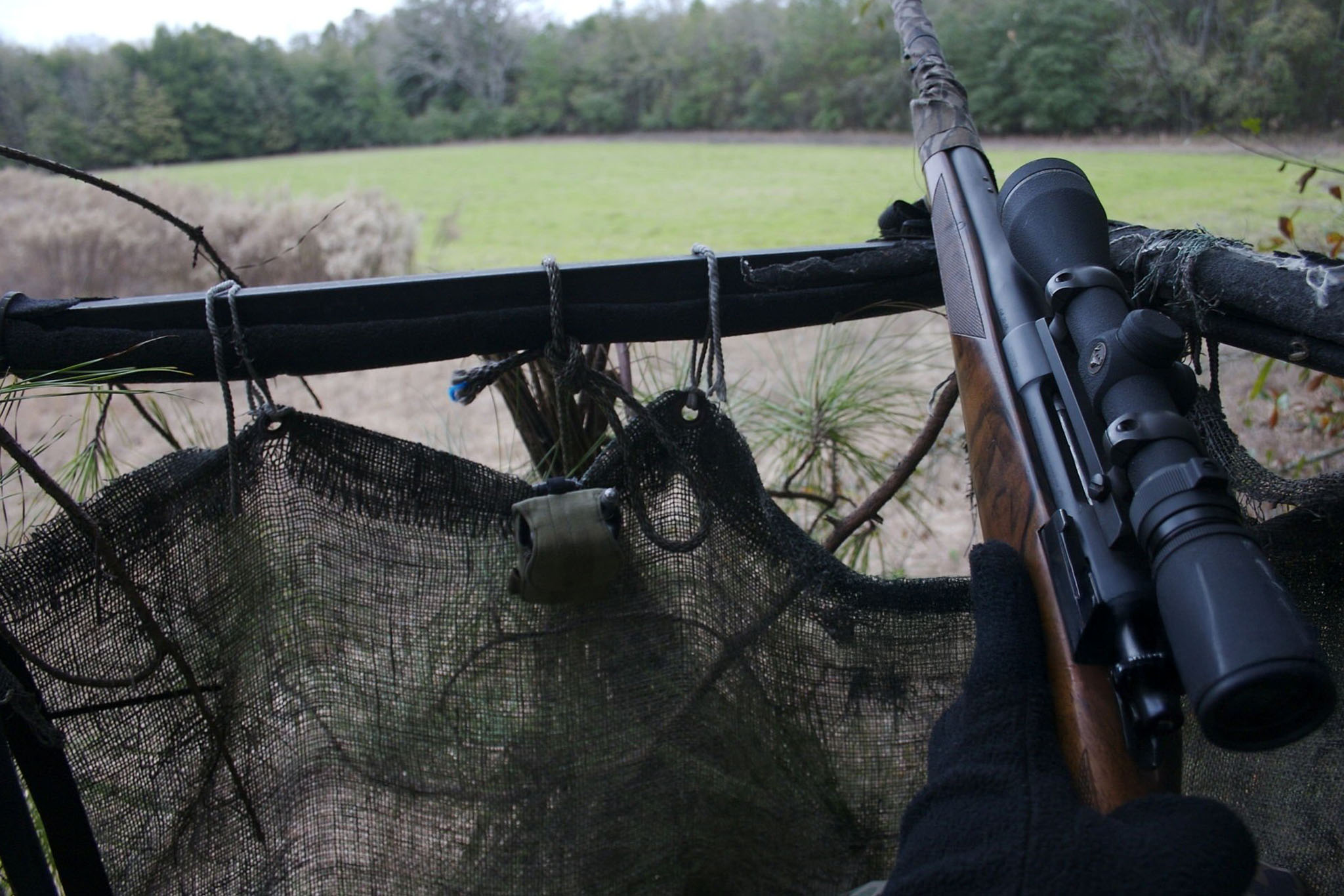
The rut is the most anticipated window of the deer season, but as November winds down and the frenzy slows, hunters often find themselves facing quiet woods and dwindling opportunities. Many pack it in too early, assuming the best action is behind them. Yet seasoned whitetail hunters know the late rut—the tail end of breeding season—can deliver some of the biggest bucks of the year for those who stay patient and tactical.
Understanding the Late Rut Phase
By late November or early December in many regions, the majority of does have been bred. However, a small percentage of does enter estrus later, and mature bucks are still on the move searching for them. These late-estrus does create brief flurries of rut activity, often drawing dominant bucks out during daylight when hunters least expect it. Unlike the chaos of peak rut, late-rut behavior is more deliberate. Bucks are worn down, conserving energy, but they’ll still travel when a receptive doe is nearby.
Why Patience Matters Most
Late-rut hunts require a different mindset. The volume of deer sightings usually decreases, and action can seem painfully slow. But patience is key. Those hunters who can endure long sits in prime locations are often rewarded when a heavy-antlered buck makes a cautious daylight appearance. Remember, at this stage, mature bucks are less reckless—they won’t be charging across fields—but they’ll still follow scent trails and check traditional doe bedding areas.
Prime Stand Locations for Late Rut Success
- Doe Bedding Areas: Bucks still circle bedding cover, especially in the early morning and late afternoon, hoping to find the last does in estrus.
- Travel Corridors: Funnels, pinch points, and creek crossings become strategic ambush spots since bucks conserve energy and stick to efficient travel routes.
- Food Sources: With breeding energy spent, bucks shift back to food. Soybean fields, picked corn, and late-season food plots attract deer consistently. Setting up near food while monitoring nearby cover can create perfect ambush conditions.
The Role of Calling and Scents
Calling tactics change in the late rut. Aggressive rattling often loses effectiveness as bucks tire of constant battles. Instead, use subtle grunts or estrus bleats to mimic natural communication. A doe-in-estrus scent placed upwind of your stand can still draw in a weary buck, but restraint is critical—over-calling or over-scenting can spook pressured deer.
Hunting Pressure and Timing
By the late rut, many hunters have already left the woods, which can play to your advantage. Deer become less pressured as hunting pressure decreases. Bucks move more naturally during midday hours, especially when temperatures drop. Late-rut hunters should expand their sits beyond the traditional dawn and dusk windows. Staying in the stand through midday increases your odds of catching a big buck checking trails between bedding and food.
Mental Endurance in Cold Conditions
Late-rut hunting often coincides with harsher weather. Cold winds, freezing mornings, and long, motionless sits test a hunter’s discipline. Preparing for the elements with proper layering, insulated boots, and quiet gear is critical. Maintaining comfort helps you stay longer, which is often the difference between going home empty-handed and tagging a once-in-a-lifetime buck.
When Patience Pays Off
Many hunters tag their heaviest bucks in the final days of the rut because patience outlasts the competition. That brief window when a late-cycling doe comes into estrus can cause a mature buck to drop his guard just enough to slip up. Being there—ready, alert, and disciplined—is the only way to capitalize.
Final Thoughts
The late rut may not be filled with constant action, but it rewards persistence. For hunters willing to grind it out, the final weeks of the breeding season often present the best opportunity to connect with a mature buck. Patience, careful stand placement, and mental toughness are the true late-rut weapons. The big buck you’ve been waiting for might just appear when everyone else has gone home.
