
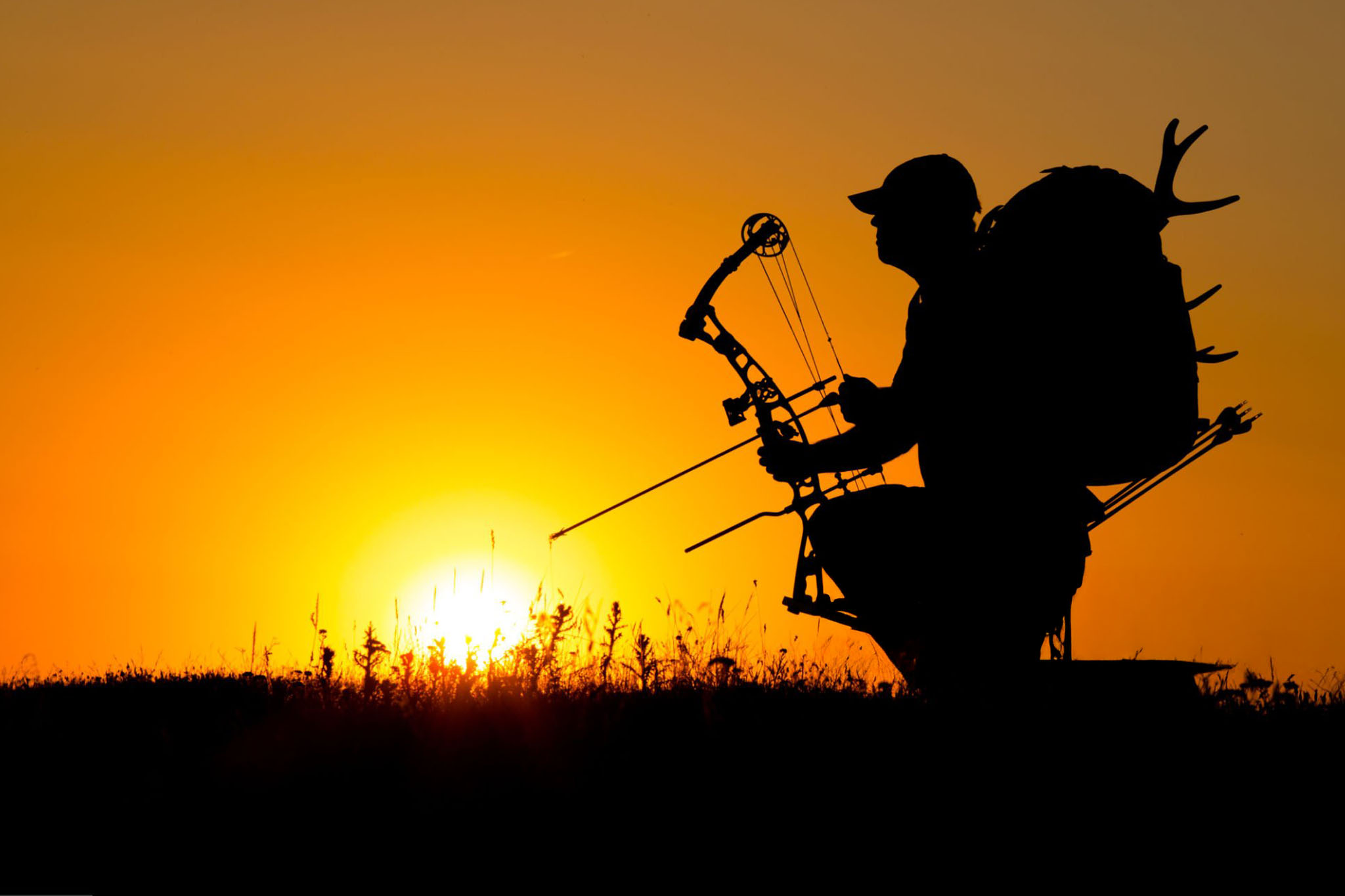
Every hunter knows the sound—leaves crackling underfoot like potato chips on a quiet fall morning. By October and November, the forest floor is covered in dry foliage, and every step seems to echo across the woods. For whitetail hunters, this creates a frustrating challenge: how do you close the distance without announcing your presence to the sharp-eared deer you’re after?
Deer rely on their sense of hearing almost as much as their nose, and during the leaf-crunching season, even the smallest misstep can blow your cover. Fortunately, stealth is a skill you can master with the right strategies. Below, we’ll break down proven tactics to move quietly, manage sound, and outsmart deer when the woods are at their noisiest.
1. Timing Your Movement
When the woods are loud, timing is everything.
- Move with Natural Sounds: Windy days are a gift—time your steps with gusts that rustle leaves and mask your noise. If birds are flapping or squirrels are stirring, slip forward during those bursts of sound.
- Pause More Than You Step: Deer expect short bursts of movement from squirrels or turkeys, not the steady plod of a hunter. Take one or two steps, then freeze for 20–30 seconds.
- Use Dawn and Dusk: When animals are most active, your sounds blend into the natural chorus of the woods.
2. Choosing Your Route Carefully
The path you take matters just as much as how you walk it.
- Use Game Trails: Deer already clear paths through thick brush, and their trails often have fewer dry leaves.
- Stick to Damp Ground: Early morning dew, shaded creek bottoms, or mossy patches are naturally quieter routes.
- Avoid Ridge Tops: Leaves tend to dry faster on elevated ground, making them noisier underfoot.
Planning your access route before the hunt can help you sneak in without alerting nearby deer.
3. Footwork for Quiet Movement
How you place your feet makes the difference between a natural sound and an obvious intruder.
- Heel-to-Toe Technique: Place your heel lightly first, then roll forward onto the ball of your foot. This spreads the crunch instead of snapping all at once.
- Step on Solid Objects: Rocks, logs, or bare dirt patches are quieter than leaf mats.
- Short, Controlled Steps: Big strides create big noise. Think like a stalking cat—small, deliberate movements.
4. Gear Adjustments for Stealth
Your setup can either betray you or help you blend in.
- Quiet Clothing: Avoid nylon or stiff fabrics that swish against branches. Soft fleece or brushed cotton is ideal.
- Rubber Boots: Unlike stiff-soled boots, flexible rubber soles absorb sound and reduce crunch.
- Minimal Gear: Every extra item risks a clank or snag. Streamline your pack so you’re light and quiet.
5. Stand Hunting vs. Still Hunting
If conditions are too noisy, sometimes the best approach is no approach at all.
- Tree Stand Advantage: Slipping in before daylight and climbing into a stand lets the woods settle around you. Deer are less likely to notice sound from an elevated position.
- Ground Blinds: Setting blinds near food sources or travel corridors allows you to wait silently without moving through leaf-heavy areas.
- Still Hunting in the Right Conditions: Reserve still-hunting for damp mornings or after a light rain when leaves are quieter.
6. Using Distractions to Your Advantage
If you can’t avoid noise, use the environment to make your sounds less suspicious.
- Mimic Natural Movement: Take two or three quick steps, then pause—just like a feeding turkey or squirrel would.
- Rattle or Call at the Right Moment: A grunt or rattle sequence can cover the sound of your final movements into shooting range.
- Blend with Livestock or Equipment Sounds: On farm country hunts, tractors, cattle, or distant chainsaws can provide great cover noise.
7. Patience Wins the Hunt
In leaf-crunching season, impatience is a hunter’s worst enemy.
- Slow is Silent: If it feels like you’re moving too slowly, you’re probably going just about right.
- Set Micro Goals: Focus on reaching one tree, rock, or brush pile before pausing again.
- Accept Imperfection: No one moves in complete silence. The goal isn’t to eliminate sound, but to make your noise blend naturally into the environment.
Final Thoughts
Hunting during the leaf-crunching season demands discipline. Whitetails are tuned in to the faintest unnatural sound, and rushing will almost always send tails flagging away. But by mastering timing, route selection, footwork, and stealthy gear, you can turn the noisy woods into an advantage.
When every other hunter is blowing deer out with careless footsteps, you’ll be the one slipping silently into bow range. In the end, it’s not about avoiding sound—it’s about learning to sound like you belong in the woods.
