
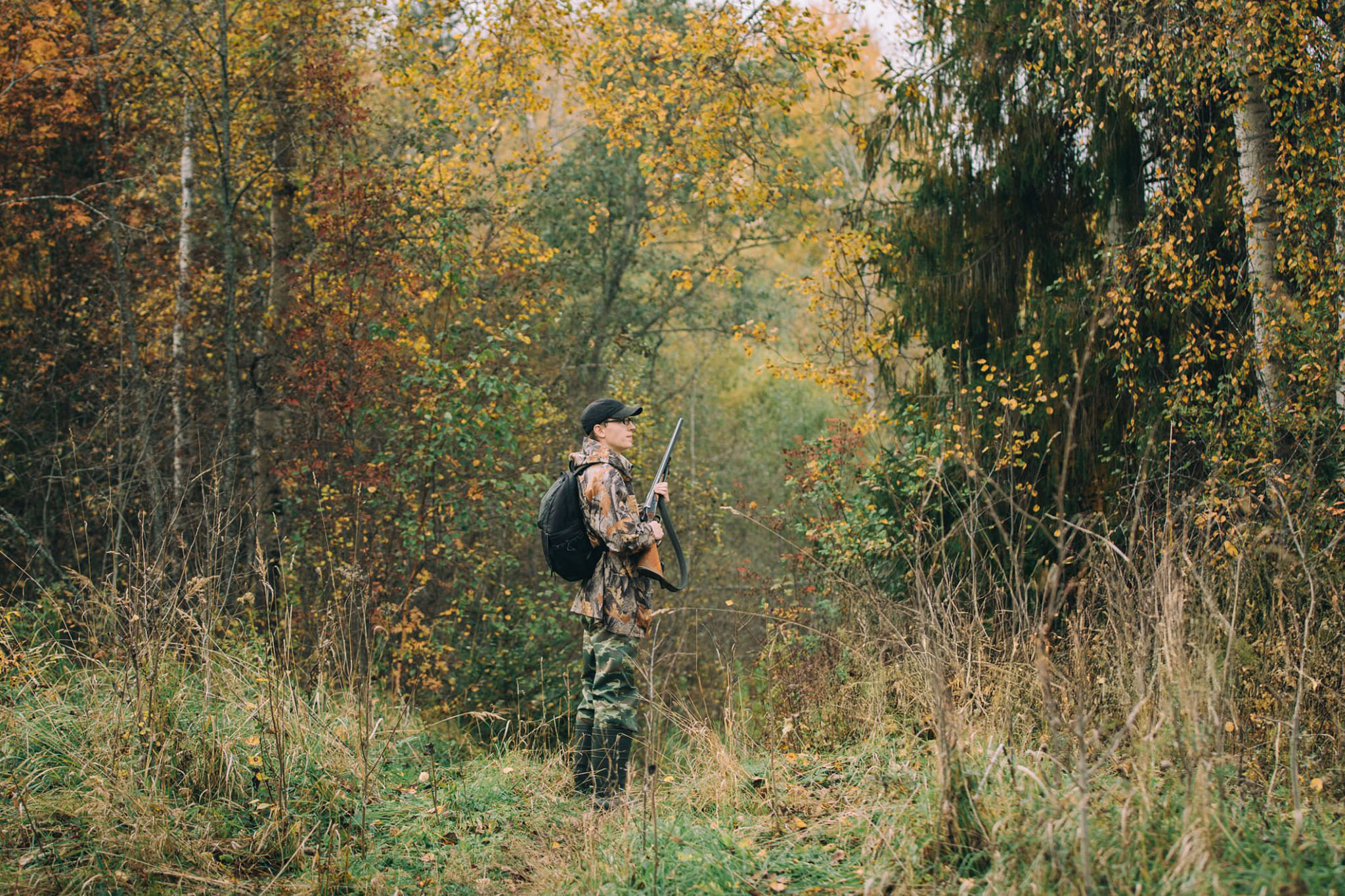
There’s something magical about October mornings in the deer woods. The air is sharp, leaves crunch lightly underfoot, and a faint mist often rises from fields and hollows. For whitetail hunters, this period—just before the chaos of the rut—can be a golden window. Bucks are beginning to shift out of summer feeding patterns, does are still relatively calm, and daylight activity can spike with the season’s first frosts. Success in October, however, doesn’t happen by chance. It requires careful adjustments to your setup, gear, and tactics.
In this guide, we’ll break down how to fine-tune your hunting approach for crisp October mornings, giving you the best chance to connect with a mature whitetail before peak rut arrives.
1. Understanding October Whitetail Behavior
October is a transition month. Bucks aren’t fully locked down with does yet, but they’re no longer behaving like they did in August and September. Here’s what to keep in mind:
- Shift to Pre-Rut Patterns: Bucks expand their range, checking scrapes and rubs while monitoring doe groups.
- Increased Daylight Movement: Cooler mornings often trigger deer to move longer after sunrise.
- Food Remains Key: Acorns, standing corn, and brassica plots become magnets. Early mornings near these food sources can be especially productive.
By tuning in to these subtle shifts, hunters can position themselves exactly where whitetails want to be at first light.
2. Picking the Perfect Morning Setup
Choosing where to sit in October can make or break your hunt. Unlike peak rut when bucks can appear almost anywhere, October hunts benefit from strategic positioning.
- Edges of Bedding Areas: Bucks often stage near bedding cover in the morning. Setting up just downwind of thick timber or CRP fields gives you a shot as they return to rest.
- Food-to-Bed Transitions: Deer feeding heavily at night will travel back to bedding areas at daybreak. Intercepting them on these trails is a classic October tactic.
- Fresh Sign: Active scrapes and rub lines are highway signs for where bucks are moving. Setting up near the freshest activity can yield quick action.
3. Playing the October Wind
Wind is everything when it comes to morning hunts. October breezes tend to be cooler, steadier, and more predictable than early-season thermals, but that doesn’t mean you can slack on scent control.
- Use Crosswinds: Position yourself so deer are traveling across your wind rather than directly downwind.
- Morning Thermals: Cold air sinks, pulling your scent downhill. Be cautious if hunting bottoms at sunrise.
- Plan Exits: A great spot is useless if you blow deer out walking back to the truck. Always map your access and exit routes with wind direction in mind.
4. Gear Adjustments for Crisp Mornings
October mornings can be tricky—too warm to wear full winter gear, but too cold for light September clothing. Fine-tuning your gear keeps you comfortable and quiet.
- Layering System: Start light for the walk in, then add insulating layers once you’re settled.
- Quiet Outerwear: Frosty mornings can amplify sound. Fleece or brushed fabrics beat noisy shells.
- Reliable Boots: Dew-soaked grass and frosty leaves mean waterproof, insulated boots are a must.
- Compact Pack: Reduce bulk so you can slip quietly into tight setups without clanging gear.
5. Calling and Scents in October
While aggressive calling works in November, October requires finesse.
- Soft Grunts: Light buck grunts can draw in curious deer without spooking them.
- Mock Scrapes: A well-placed mock scrape near a travel route can pull in checking bucks.
- Cautious with Scents: Early October is too soon for estrus scents, but doe urine or calming scents can help.
6. Mental Edge: Patience in the October Woods
Many hunters call October the “lull,” assuming deer activity slows down. In reality, it’s more about changing patterns than inactivity. Success comes to hunters who stay adaptable.
- Don’t Abandon Mornings: Some of the best mature buck encounters happen right after first frost.
- Stay Mobile: If one setup isn’t producing, don’t be afraid to shift closer to fresh sign.
- Commit to Time on Stand: Crisp October mornings are short-lived. Sitting through the late morning hours can pay off when other hunters head home.
Final Thoughts
October whitetail hunting is about fine-tuning the details. The bucks you’re after are still predictable enough to pattern, yet restless enough to make daylight mistakes. By understanding transitional behavior, picking strategic morning setups, and adjusting your gear for cool conditions, you can stack the odds in your favor.
Don’t wait for the rut to chase big bucks—October mornings can provide some of the most rewarding hunts of the season.
