
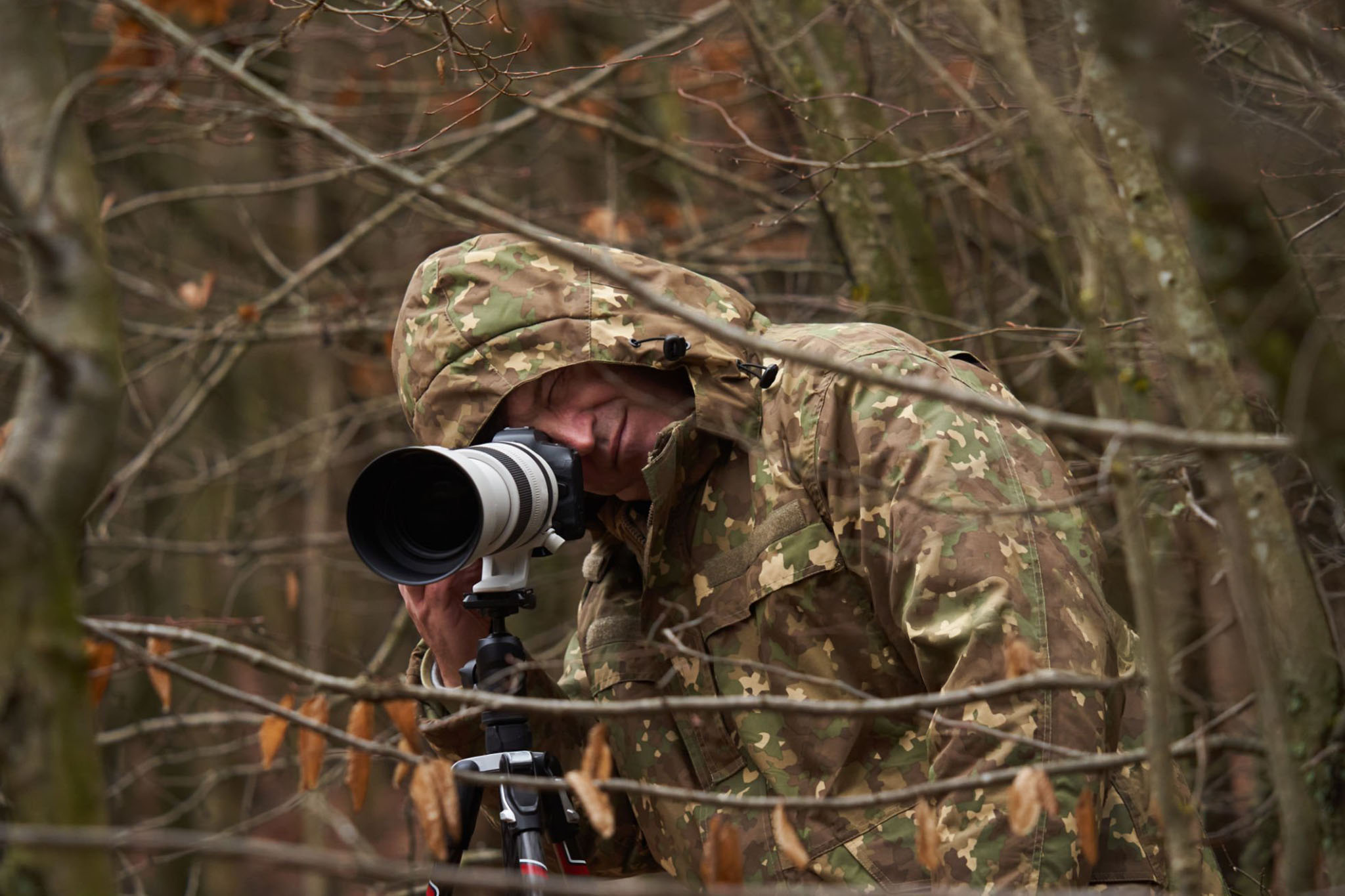
For hunters, rain is often seen as an inconvenience, but seasoned woodsmen know it can be one of the best times to track deer. When the forest floor is soaked and leaves glisten with moisture, hoofprints and movement patterns stand out in ways they never do on dry ground. Learning to recognize and interpret fresh sign after rain can make the difference between simply being in the woods and successfully closing in on your quarry.
Why Rain Improves Tracking Conditions
Rain changes the woods in several ways that benefit hunters:
- Softened ground: Damp soil captures sharper, deeper impressions of deer hooves.
- Glossy leaves: When deer step on wet foliage, the surface sheen changes, leaving a dull, matte mark that can last for hours.
- Washed-out sign: Older tracks, droppings, and disturbances are erased or muted by rain, making anything visible after the storm far fresher and easier to trust.
Simply put, the woods become a fresh slate, and deer movement written on that slate is clearer for the hunter to read.
How to Identify Fresh Hoofprints on Wet Leaves
Spotting hoofprints after rain takes patience and a sharp eye. Look for these details:
1. Color Contrast
Wet leaves have a shiny, dark surface. When a deer steps on them, the pressure dulls the sheen, leaving a lighter or flattened mark. If the leaf edges curl or break under pressure, you know the track is fresh.
2. Leaf Position
Deer often shuffle or drag hooves, which pushes leaves aside. Freshly disturbed leaves will reveal the moist underside, showing brighter colors compared to the darker tops.
3. Moisture Signs
A track that still glistens with beads of water means the deer passed very recently. If the mark looks drier, the track could be several hours old, depending on humidity and wind.
4. Soil Impressions Beneath
On rain-soaked trails, hooves often cut through leaves and into the soil. Check for sharp edges in the mud, as crisp outlines indicate new movement, while slumped or pooled water inside the track suggests older activity.
Where to Look After a Rain
Deer don’t just wander randomly after rainfall. They take advantage of softer footing and refreshed food sources. Focus your search on:
- Field edges and oak flats – Acorns and crop remnants are especially attractive after rain washes scents clean.
- Low-lying trails – Water tends to collect here, and deer often use the damp soil to cool their hooves.
- Thick cover – Rain gives deer added confidence to move through exposed areas, but they still stage in brushy edges before stepping into fields.
- Stream crossings and muddy banks – These spots act like natural track traps, holding fresh prints clearly.
Hunting Strategies for Rainy Conditions
- Move Slowly and Quietly – Wet leaves reduce crunch, letting you stalk more effectively.
- Use Overcast Skies to Your Advantage – Cloud cover keeps deer moving later in the morning and earlier in the evening.
- Key in on Fresh Trails – If you find steaming droppings or damp tracks, consider setting up immediately nearby.
- Plan Ambush Points – Position yourself on trails leading from bedding thickets to post-rain feeding areas.
Extra Benefits of Rain for Hunters
- Scent Control: Rain reduces your scent footprint, making it harder for deer to detect you.
- Noise Cover: Dripping leaves and pattering rain mask small hunter sounds.
- Track Reliability: Because old sign is washed away, anything you see afterward is reliable and recent.
Conclusion
Tracking after rain is an art that rewards the observant hunter. Wet leaves and soft soil tell a fresh story of where deer have walked, rested, or fed. By learning to read hoofprints in slick foliage and damp ground, you gain a tremendous advantage in locating deer during the critical early and mid-fall hunts.
Next time the rain clears, grab your gear and head to the woods. The freshest sign will be waiting for you—written across the wet leaves and soft earth.
