
The arrival of early teal and wood ducks marks one of the most exciting transitions in the waterfowl season. As summer fades and the first cool nights touch the marsh, hunters across the flyways prepare for the quick, unpredictable flights of these birds. Getting ready for these early migrators requires a different mindset than late-season mallards or geese — lighter spreads, faster setups, and an eye for subtle shifts in weather and habitat.
Reading the Migration Clock
Teal and wood ducks are among the first species to push south when daylight shortens. Blue-winged teal, especially, are notorious early movers, often heading south in September. Wood ducks stick closer to hardwood swamps and flooded timber but will also relocate when food sources or water levels change.
The key to catching them is timing. Watch for cold fronts sweeping out of Canada and the northern Midwest. Even a slight dip in nighttime temperatures can send birds south in waves. Hunters who scout during these windows often find fresh groups of teal buzzing low over ponds or wood ducks pouring into oak flats at first light.
Scouting the Right Water
Unlike later-season ducks, teal and wood ducks prefer smaller water:
- Teal: shallow mudflats, rice fields, flooded pastures, and marsh edges. They love feeding in water only a few inches deep where seeds and aquatic vegetation are plentiful.
- Wood Ducks: backwater sloughs, creeks, and flooded timber. Acorns are a magnet for them, and they’ll often fly low and fast between wooded areas at dawn and dusk.
Hunters who identify these micro-habitats ahead of time have the best chance of setting up where birds naturally want to be.
Decoy Spreads and Calling
Early teal hunts don’t require big spreads. A dozen decoys — mostly teal-sized, mixed with a few mallards — can be enough. The motion matters more than the numbers. A spinner or jerk rig on calm mornings adds realism to a small spread.
Wood ducks are trickier. They rarely decoy as predictably as mallards, but a handful of decoys near timber openings or slough edges can hold their attention. As for calling, less is more. Teal respond to short, high-pitched peeps, while wood ducks are more vocal on their own and often come in regardless of calling.
The Gear Shift for Early Season
Early teal and wood duck hunts happen in warm, muggy conditions. Mosquitoes and humidity are part of the deal, so gear adjustments are critical:
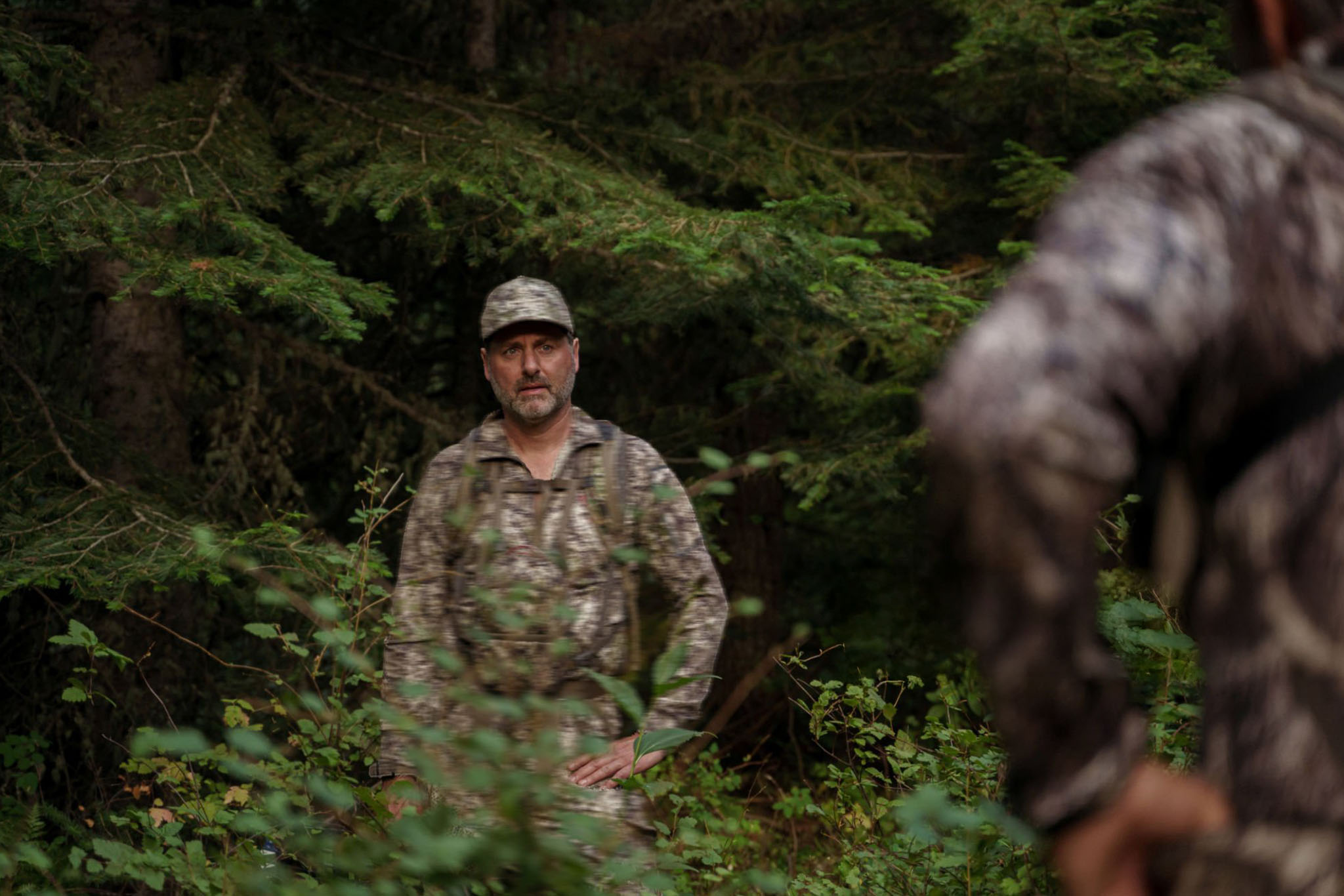
- Clothing: lightweight, breathable camo that keeps you cool while staying concealed.
- Footwear: uninsulated waders or rubber boots work best — heavy insulated gear is overkill.
- Concealment: natural cover like smartweed, cattails, or brush piles is usually enough without hauling in blinds.
Shotguns should be loaded with smaller shot (No. 4 to No. 6) since teal and wood ducks are small, fast targets that require quick swings.
Timing the Hunt
Early teal flights often happen fast and furious at first light, with birds buzzing low across the water before the sun clears the horizon. If you’re not set up before shooting time, you might miss the peak action. Wood ducks, on the other hand, often make two strong flights — one at dawn and another near sunset.
Being ready in the dark with decoys already out is the best way to maximize those first critical minutes of shooting light.
Conservation and Regulations
Because early teal and wood duck seasons are short and often come with special regulations, hunters should pay close attention to bag limits, species ID, and shooting times. Many states implement September teal-only seasons, while wood ducks may be included in the general early season split. Responsible hunting not only ensures legal compliance but also protects future opportunities.
Final Thoughts
The first flights south bring fast-paced, unpredictable action. For hunters, it’s about being mobile, staying light, and reading the habitat and weather patterns. Early teal and wood duck hunting isn’t about piling up limits — it’s about sharpening your skills, enjoying warm-weather hunts, and kicking off the season with birds that move like rockets across the marsh.
With the right setup and a little scouting, those first teal buzzing past your decoys or wood ducks streaking through the timber will set the tone for the entire waterfowl season.
