
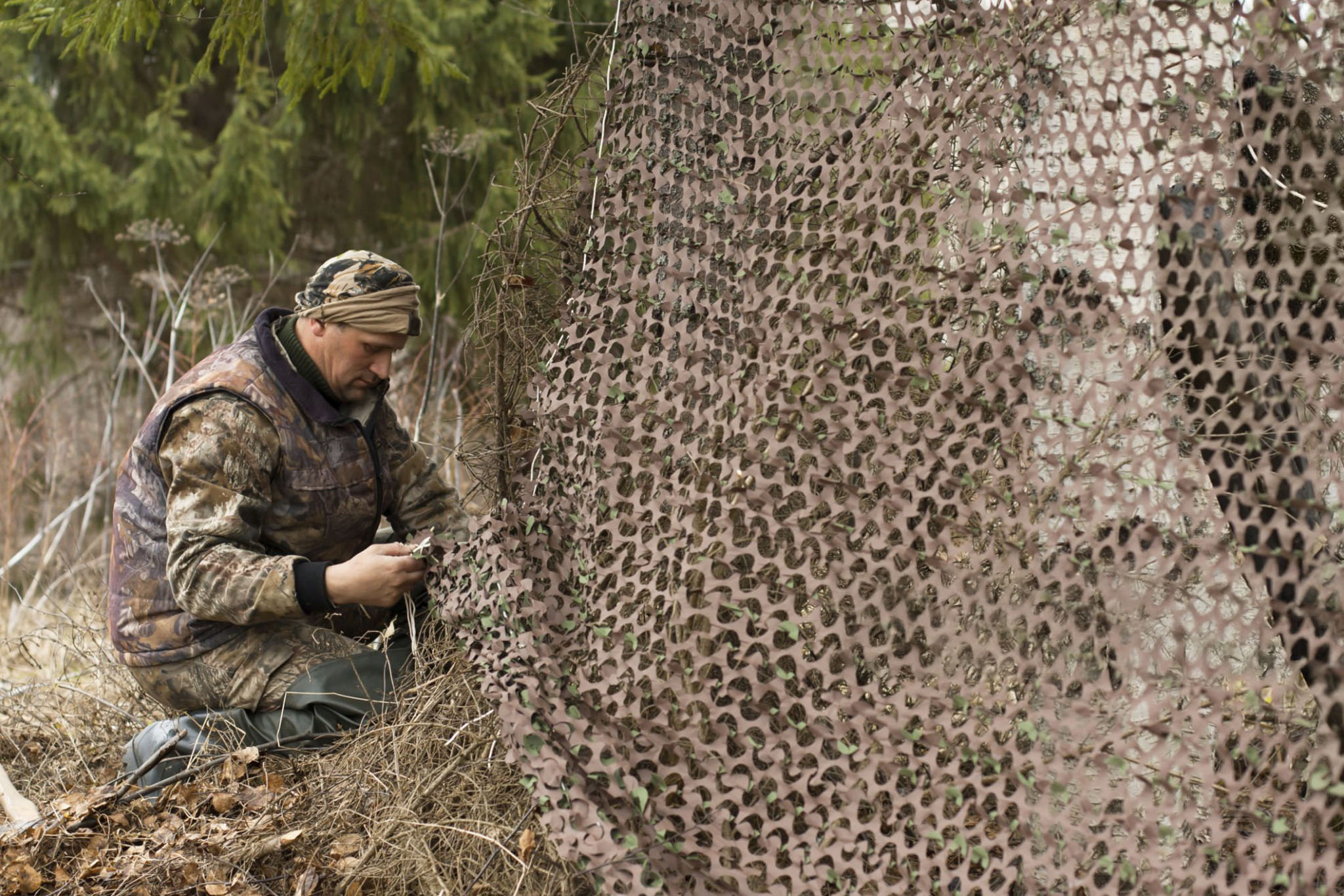
For hunters across the U.S., fall brings both excitement and challenge. The crisp air, rut activity, and deer movement make it an ideal time to be in the woods. But with fall also comes one of the greatest obstacles for those who prefer the art of still-hunting—the sound of crunchy leaves underfoot. Moving quietly in loud terrain is no easy feat, but with the right techniques and mindset, you can turn the woods into an opportunity rather than a disadvantage.
What Is Still-Hunting?
Still-hunting is not about sitting motionless in a treestand or blind. Instead, it’s the deliberate act of slowly moving through the woods, pausing often, and using cover to observe and intercept game. Done right, it allows hunters to spot deer before being detected. Done wrong, it results in spooking everything within earshot.
Why Fall Leaves Make It Difficult
By late October and November, forest floors are often blanketed with dry oak and maple leaves. Every step seems to echo across the timber, giving deer ample warning before you even glimpse them. Whitetails and other game are wired to detect unnatural sounds—especially consistent patterns like human footsteps. Overcoming this natural alarm system is key to successful still-hunting.
Core Strategies for Moving Quietly
1. Slow Down More Than You Think
Most hunters move far too quickly. In crunchy leaves, covering even 100 yards can take an hour. Take a step, pause, and scan the woods for several minutes before moving again. This mimics natural animal movement and reduces the predictable rhythm of footsteps.
2. Time Your Steps With Natural Sounds
Use wind gusts, squirrel chatter, or passing vehicles (if near roads) to mask your noise. Deer are accustomed to woods sounds fluctuating, but they key in on unnatural consistency.
3. Heel-to-Toe Foot Placement
When stepping, roll your foot from heel to toe, allowing the outside edge of your foot to land first. This spreads out the noise and prevents sharp crunches that travel farther.
4. Use Soft Ground and Terrain Features
Seek out damp soil, moss patches, or creek beds to muffle sound. In hilly areas, deer often use benches or ridges—moving along the downwind side of these can give you quieter footing.
5. Break the Human Rhythm
Humans walk with a steady pace. Animals, however, stop, browse, and move irregularly. By pausing for long intervals and taking uneven steps, you blend into the natural cadence of the woods.
The Importance of Wind and Scent Control
Even if you move quietly, you won’t fool a deer’s nose. Always hunt with the wind in your face or crosswind. Thermals—air movement caused by temperature shifts—can also betray you, especially in hilly terrain. Pair quiet movement with strict scent control for the best results.
Optics and Observation
One of the most overlooked tools in still-hunting is patience with glassing. Instead of walking to find deer, use binoculars to scan ahead. A flick of an ear or the curve of an antler often gives deer away long before you see the whole animal.
Clothing and Gear Adjustments
- Quiet Fabrics: Wool or fleece are better than nylon or stiff camo that swishes with every move.
- Layering: Staying warm without bulk allows for smoother movement and longer hunts.
- Footwear: Soft-soled boots or moccasin-style hunting shoes can reduce leaf crunch compared to stiff hunting boots.
When to Use Still-Hunting
Still-hunting is most effective under certain conditions:
- Windy Days: Gusts help cover sound and movement.
- Light Rain or Damp Mornings: Moisture softens leaves, making them quieter.
- Midday Hunts: When deer are bedded, slow creeping can get you close to their daytime sanctuaries.
- Firearm Seasons: Rifles or slug guns extend your effective range, making a close approach less critical but still beneficial.
Common Mistakes to Avoid
- Covering Too Much Ground: Rushing not only makes more noise but also keeps you from spotting subtle deer movement.
- Ignoring the Wind: Noise may alert deer, but scent guarantees you won’t see them.
- Not Pausing Enough: The longer you stand still, the more deer movement you’ll pick up. Many hunters walk past game that was holding tight in cover.
The Mental Game of Still-Hunting
Still-hunting isn’t just about skill—it’s about patience and discipline. The slower you go, the greater your chances of blending into the woods. Success often comes when you least expect it, after long minutes of standing motionless, letting the forest settle around you.
Final Thoughts
Moving quietly in crunchy fall leaves is one of the hardest skills in hunting, but it’s also one of the most rewarding. Still-hunting requires patience, stealth, and a willingness to let the woods dictate your pace. By mastering sound, scent, and movement, you’ll put yourself in position to outwit wary whitetails and turn a challenging environment into a successful hunt.
