
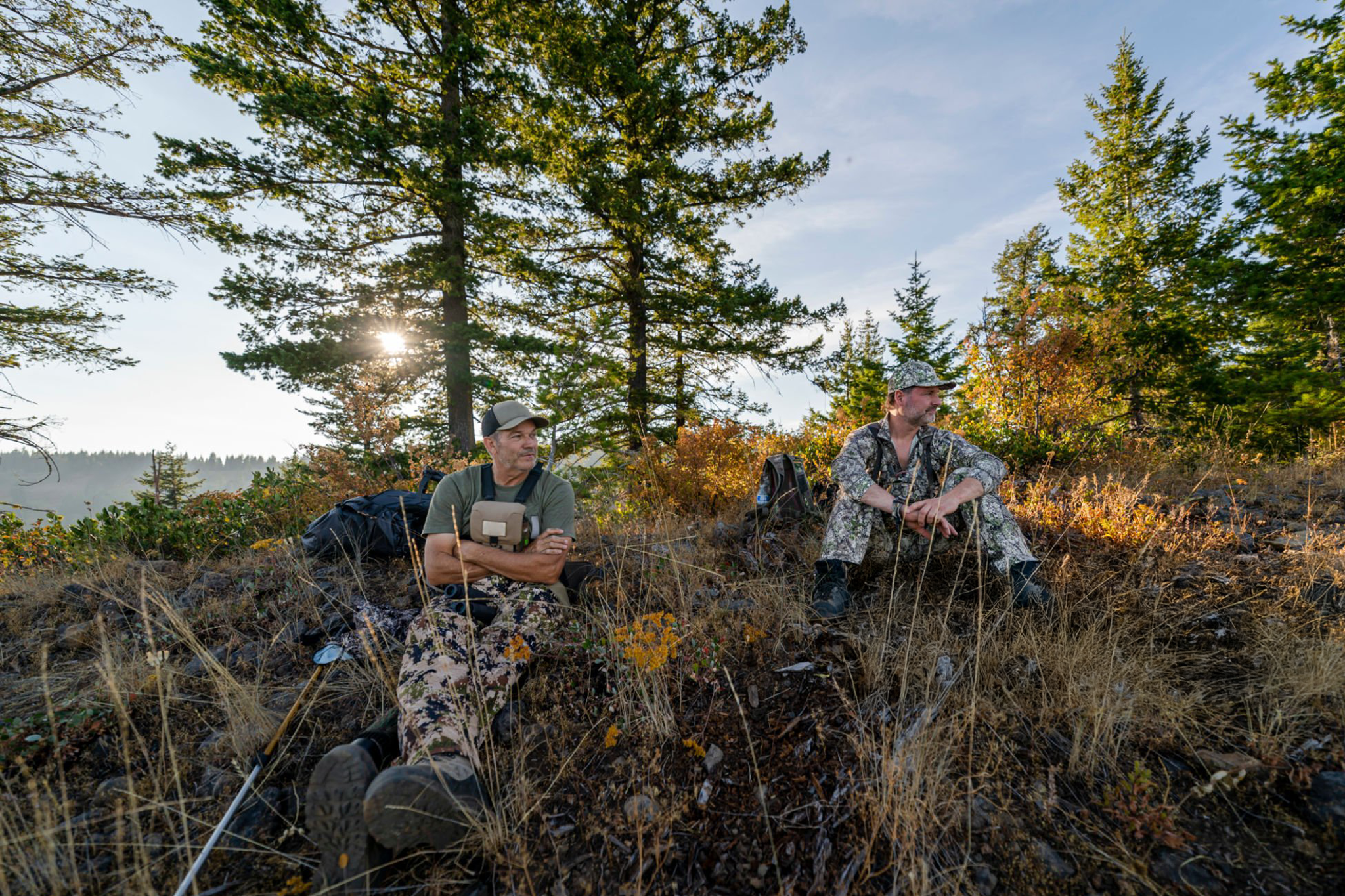
When harvest season wraps up and fields are stripped bare, hunters often find themselves facing one of the toughest challenges of fall: concealment. Cut fields may be excellent spots for whitetail deer, turkeys, or even waterfowl to feed, but without the tall cover of standing crops, hunters suddenly stand out like a sore thumb. This is where the smart use of ground blinds comes in. With the right setup and strategies, you can remain hidden in plain sight while keeping yourself in a prime position for success.
Why Ground Blinds Excel in Cut Fields
Ground blinds offer several advantages when hunting late fall crop fields:
- Concealment in Open Spaces: When the cover is reduced, blinds break up your silhouette and help you disappear against the stubble.
- Comfort in Harsh Weather: Fall winds, rain, and even snow are easier to handle inside a blind, keeping you in the field longer.
- Scent Control: Blinds help contain and redirect scent, which is crucial when hunting wary late-season deer.
- Versatility: Whether you’re after deer feeding on soybean residue or turkeys scratching through corn stubble, blinds can adapt to a variety of field edges.
Choosing the Right Blind for Crop Fields
Not all blinds work equally well in wide-open cut fields. Consider the following when making your choice:
- Low-Profile Blinds: Models that sit lower to the ground blend better into open terrain.
- Natural Camo Patterns: Go for stubble or crop-specific camo patterns rather than leafy green summer patterns.
- Portable Options: Fields change with farming activity, so a lightweight blind you can reposition is often best.
Placement: The Key to Staying Invisible
The way you position your ground blind makes the biggest difference in cut fields:
- Use Natural Breaks: Place blinds near tree lines, irrigation ditches, or brush piles that naturally exist around the field.
- Edge Blending: If no cover exists, hug the field edge and use stubble or hay bales to disguise the blind’s outline.
- Middle-of-Field Tactics: Sometimes deer feed in the center of fields. In this case, brushing your blind with corn stalks, wheat straw, or bean stubble makes it appear as part of the field itself.
- Sun and Wind Considerations: Always place blinds with the sun at your back when possible, and take wind direction into account to avoid being scented.
Brushing and Blending Tricks
Even the best blind sticks out without some extra effort. Here’s how to make yours vanish:
- Cut Local Vegetation: Use corn stalks, soybean stubble, or wheat straw from the field itself.
- Stake-On Stubble Straps: Many blinds include straps to weave in natural cover.
- Disrupt the Outline: Break up square edges with irregular, natural shapes. Animals recognize hard outlines as unnatural.
Hunting Strategies from Cut Field Blinds
Once the blind is in place, it’s time to hunt smart:
- Timing is Everything: Evening hunts often see deer filtering into fields for feeding, while mornings may find them leaving fields for cover.
- Patience Pays: In wide-open spaces, deer are cautious. Stay still and give them time to relax.
- Decoys for Added Attraction: A doe or turkey decoy in front of the blind can make your setup look more natural and draw attention away from your blind.
- Field-Edge Trails: Focus on travel routes leading into the field; these pinch points increase your odds.
Mistakes to Avoid
- Too Close to Activity: Don’t place blinds directly in high-traffic field entrances; deer notice sudden changes.
- Skipping Brush Work: An unbrushed blind in the middle of a stubble field is a red flag for game animals.
- Ignoring Weather Changes: Late fall winds can shift quickly—always adjust your blind placement accordingly.
Final Thoughts
Hunting in cut fields during fall offers both challenges and opportunities. While concealment is harder without standing crops, the use of ground blinds allows hunters to stay hidden, comfortable, and patient in prime feeding areas. With careful placement, effective brushing, and smart hunting strategies, your blind can turn an exposed field into a deadly ambush site.
By understanding how to make your ground blind vanish into the fall landscape, you’ll be ready to turn those wide-open cut fields into some of the season’s most rewarding hunts.
