
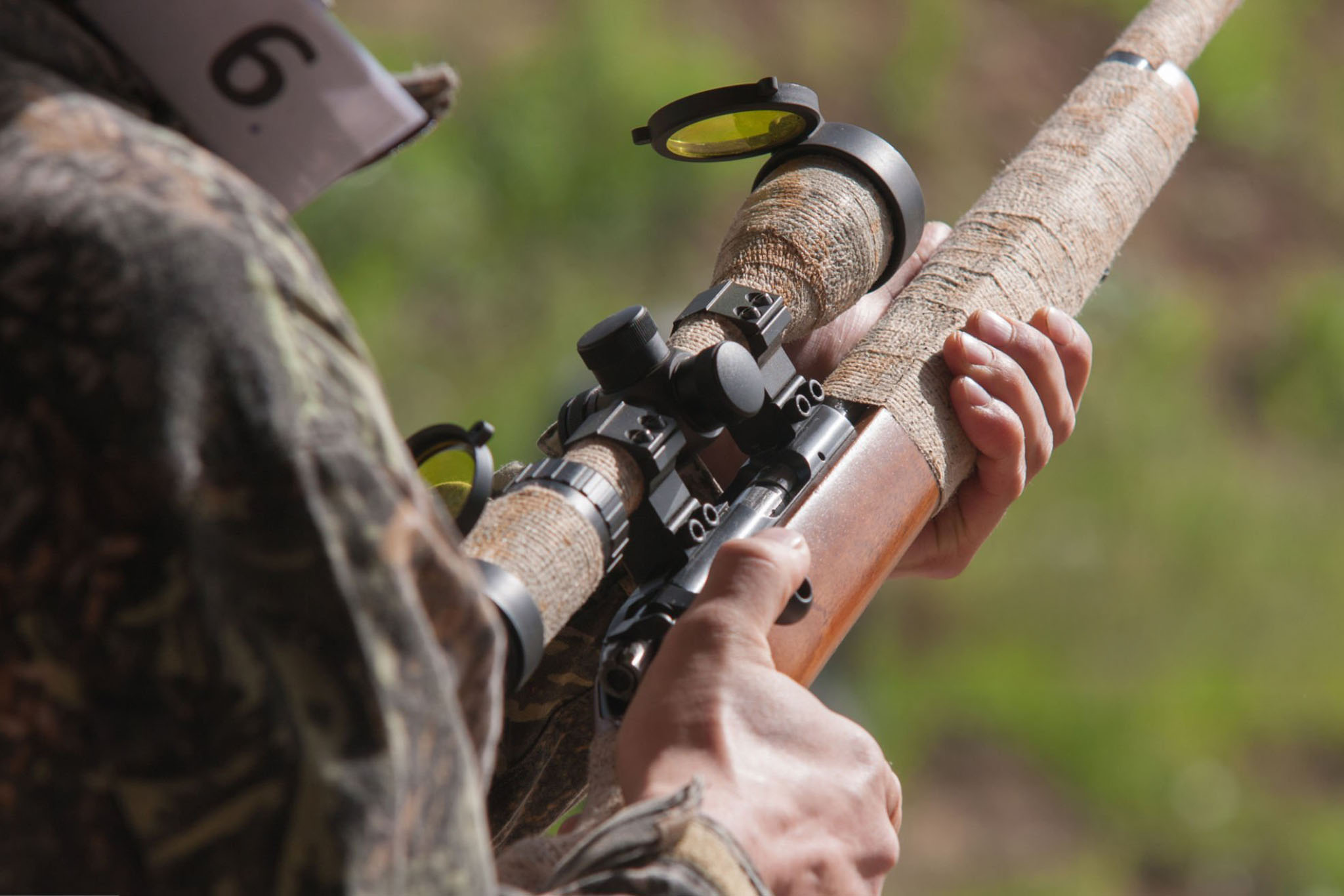
When deer season arrives, smart hunters know that success doesn’t come from luck alone—it’s about location, timing, and strategy. One of the most reliable setups during early to mid-fall is hunting edge funnels, the transition zones where thick cover meets open cropland. These areas act like highways for whitetails, guiding them naturally between bedding and feeding. If you’re looking to put yourself in the right spot this season, understanding how to scout, set up, and hunt edge funnels can be the key to filling your tag.
Why Edge Funnels Attract Deer
Deer are creatures of habit and survival. They prefer to travel where they feel secure while still having access to food and open ground. Edge funnels provide the perfect combination:
- Security and Cover: Brush, tall grasses, and timber edges give deer the concealment they crave.
- Direct Travel Routes: Funnels naturally concentrate deer movement between bedding thickets and agricultural food sources.
- Feeding Opportunities: Corn, soybeans, alfalfa, and cut grain fields are irresistible feeding zones, especially in early fall.
- Wind Advantage: Deer use edges to scent-check fields before committing to open ground.
For hunters, these spots stack the odds in your favor because deer are almost guaranteed to pass through them on their daily routines.
Scouting Edge Funnels
Finding the right funnel isn’t about guesswork—it’s about reading the land. Here’s what to look for:
- Aerial Maps and Apps
Start with satellite imagery from apps like OnX, HuntStand, or Google Earth. Look for pinch points where timber fingers or creek bottoms narrow the travel route between bedding and feeding. - Tracks and Trails
On the ground, scout for worn paths, fresh tracks, and droppings. Multiple trails converging into one path often indicate a prime funnel. - Natural Land Features
Creek crossings, ditches, and hedgerows all act as travel corridors. When these features meet cropland, you’ve found a hotspot. - Seasonal Food Shifts
As crops are harvested, deer shift their feeding patterns. Be ready to adjust your funnel location as food availability changes.
Setting Up Your Ambush
Treestand Placement
- Place stands 15–25 yards off the primary trail.
- Stay on the downwind side to keep your scent from blowing into the funnel.
- Choose a tree with natural cover to break up your outline.
Ground Blinds
- In areas with little tree cover, brushed-in ground blinds work well.
- Position blinds before the season starts so deer grow accustomed to them.
Entry and Exit Routes
- Avoid walking across food plots or main trails.
- Use creeks, ditches, or back routes to enter undetected.
- Always consider how your scent will carry when exiting after dark.
Timing Your Hunts
- Morning Hunts: Deer often move from cropland back to bedding through funnels. Set up early before first light.
- Evening Hunts: The classic ambush, as deer travel from cover to food sources before dusk.
- Midday Movement: During the rut, bucks cruise funnels throughout the day searching for does. Don’t overlook midday sits in November.
Gear and Tactics for Edge Funnel Success
- Scent Control: Early-season deer can still be cautious. Use scent-eliminating sprays and ozone if possible.
- Calls and Rattling: In pre-rut, light grunts or soft rattling can pull bucks into your funnel.
- Trail Cameras: Place cameras along trails to confirm deer movement and time of travel.
- Quiet Approach: Slip in silently. Crunching leaves or slamming gates can ruin your setup before it begins.
Common Mistakes to Avoid
- Overhunting One Spot: Repeated pressure educates deer. Rotate stands to keep them guessing.
- Ignoring the Wind: Even the best funnel won’t produce if deer smell you.
- Setting Up Too Close to Food: Being right on the field edge often backfires. Stay 50–100 yards back to catch deer before they hang up.
Final Thoughts
Edge funnels are one of the most dependable deer-hunting setups in the fall. By combining smart scouting, precise stand placement, and careful entry and exit routes, hunters can turn these natural travel corridors into high-success ambush points. Whether you’re chasing a trophy buck or simply looking to put venison in the freezer, focusing your efforts on cover-to-cropland transitions can pay off big this season.
