
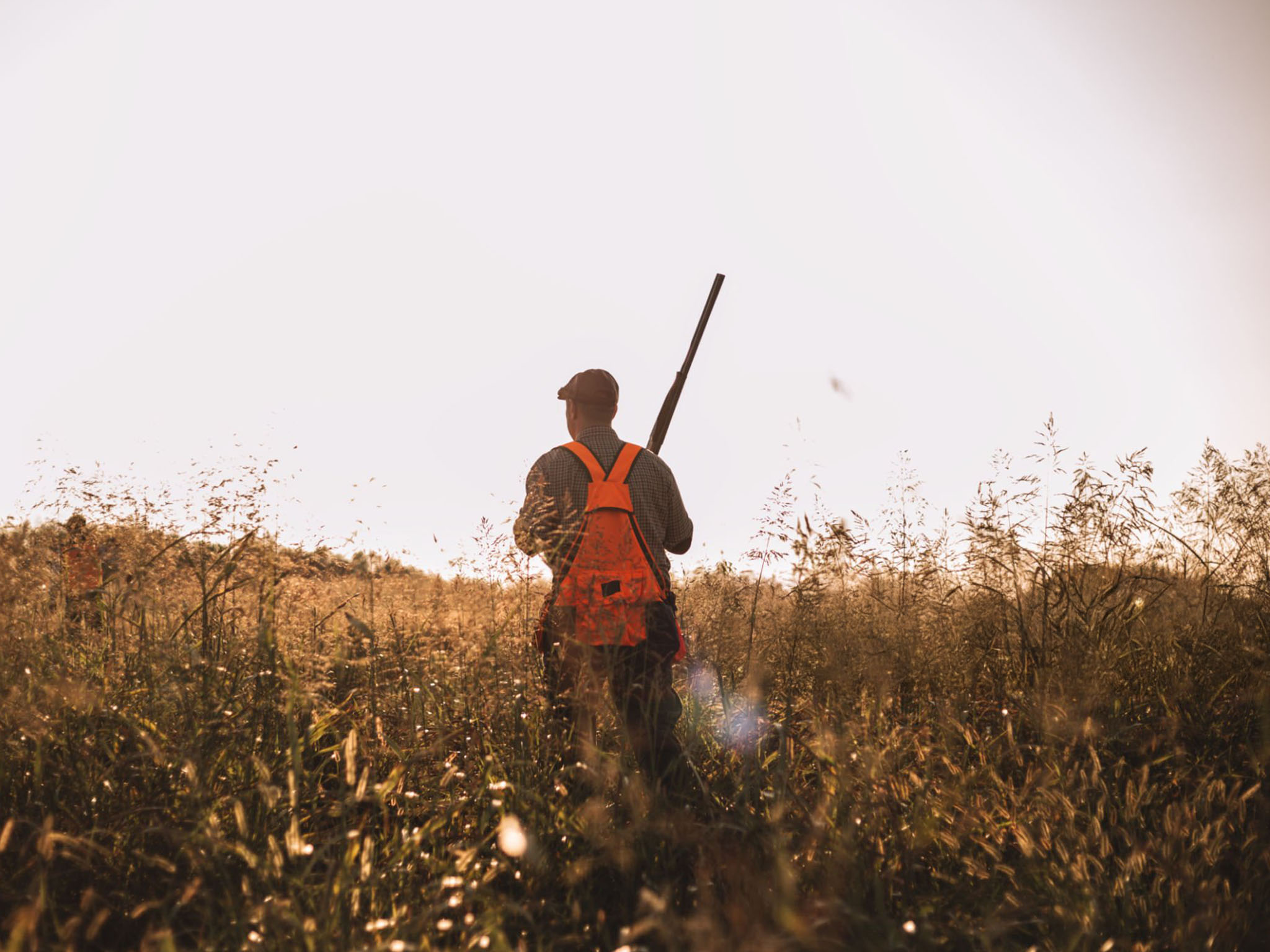
For upland hunters, few sights match the flush of a rooster pheasant rocketing skyward against a crisp autumn backdrop. But success in pheasant hunting isn’t just about sharp shooting—it’s about knowing where to find the birds. As fall progresses, roosters rely heavily on cover for food, shelter, and protection from predators. Reading the grass and brush correctly can mean the difference between a long walk and a heavy game bag.
Why Fall Cover Matters for Pheasants
Pheasants thrive in a patchwork of habitat. In fall, shifting food availability, hunting pressure, and changing weather push birds into specific types of cover. Hunters who understand these patterns will consistently put themselves in the right spots.
- Security First: Roosters gravitate toward thick grass and brush to avoid predators and hunters.
- Food and Shelter Combo: Areas with both grain residue and dense cover are prime pheasant hangouts.
- Thermal Protection: As nights cool, pheasants seek heavy grass and cattail sloughs that provide warmth and protection.
Grass and Brush Types That Hold Roosters
1. CRP and Native Grasses
Conservation Reserve Program (CRP) fields and native prairie grasses like big bluestem or switchgrass are classic pheasant cover. Their tall, dense stands offer both concealment and insects for protein. Look for edges where grass meets harvested crops—roosters often loaf there during mid-day.
2. Shelterbelts and Brushy Draws
Roosters love cover with overhead protection. Brushy fencerows, shelterbelts, and wooded draws create shaded retreats that pheasants use for escape and roosting. Mid-morning, after feeding, birds often tuck into these areas.
3. Cattails and Wetland Edges
By late fall, cattail sloughs become a hotspot. Birds pile into these wet areas for insulation and to avoid pressure. While tough to walk, hunting cattails with a good dog can produce explosive flushes.
4. Grain Field Margins
Harvested corn and milo fields often have waste grain that draws roosters. Pair this food source with nearby grass or hedgerows, and you’ll find pheasants transitioning back and forth.
Reading the Cover: Subtle Clues for Hunters
- Flattened Trails: Well-used rooster paths are often visible in tall grass—look for tunnels through cover.
- Feather and Dropping Signs: Fresh feathers or droppings indicate active bird use in the area.
- Weather Cues: On windy days, pheasants hunker in thick, low cover; on calm, sunny days, they may spread into lighter grasses.
Hunting Strategies for Fall Roosters
Work the Edges First
Birds often hold tight on the transition zones where crop meets cover. Walking the edges with your dog will frequently produce early flushes.
Hunt Into the Wind
This allows your dog’s nose to work more effectively. Scenting conditions improve when you quarter the cover with the wind in your face.
Push the Thick Stuff Late in the Day
As evening approaches, pheasants head toward heavier grass and cattails. Don’t be afraid to dig into the nastiest cover—often that’s where the biggest roosters hide.
Slow Down and Be Thorough
Roosters are notorious for running ahead. Take your time, zig-zagging and working with your dog to cut off escape routes.
Gear for Reading and Hunting Cover
- Well-Trained Dog: A good pointer or flushing dog is worth its weight in gold when working dense grass and cattails.
- Brush-Busting Boots and Pants: Waterproof, durable gear keeps you comfortable while pushing through thick cover.
- Improved Cylinder or Modified Choke: Roosters often flush fast and wild—these chokes offer a balance of spread and reach.
- High-Visibility Clothing: Blaze orange is not just about safety—it helps you track hunting partners in tall cover.
Final Thoughts
Pheasant hunting in the fall is about more than walking miles of field—it’s about hunting smart. By learning how to read grass, brush, and other cover types, you’ll uncover the hidden pockets where roosters spend their days. Whether it’s a cattail marsh on a frosty morning, a grassy CRP field at midday, or a brushy draw in the afternoon, every type of cover tells a story.
The hunters who read that story best are the ones who walk back with a limit of colorful tail feathers and the satisfaction of outsmarting one of the most cunning upland birds.
