
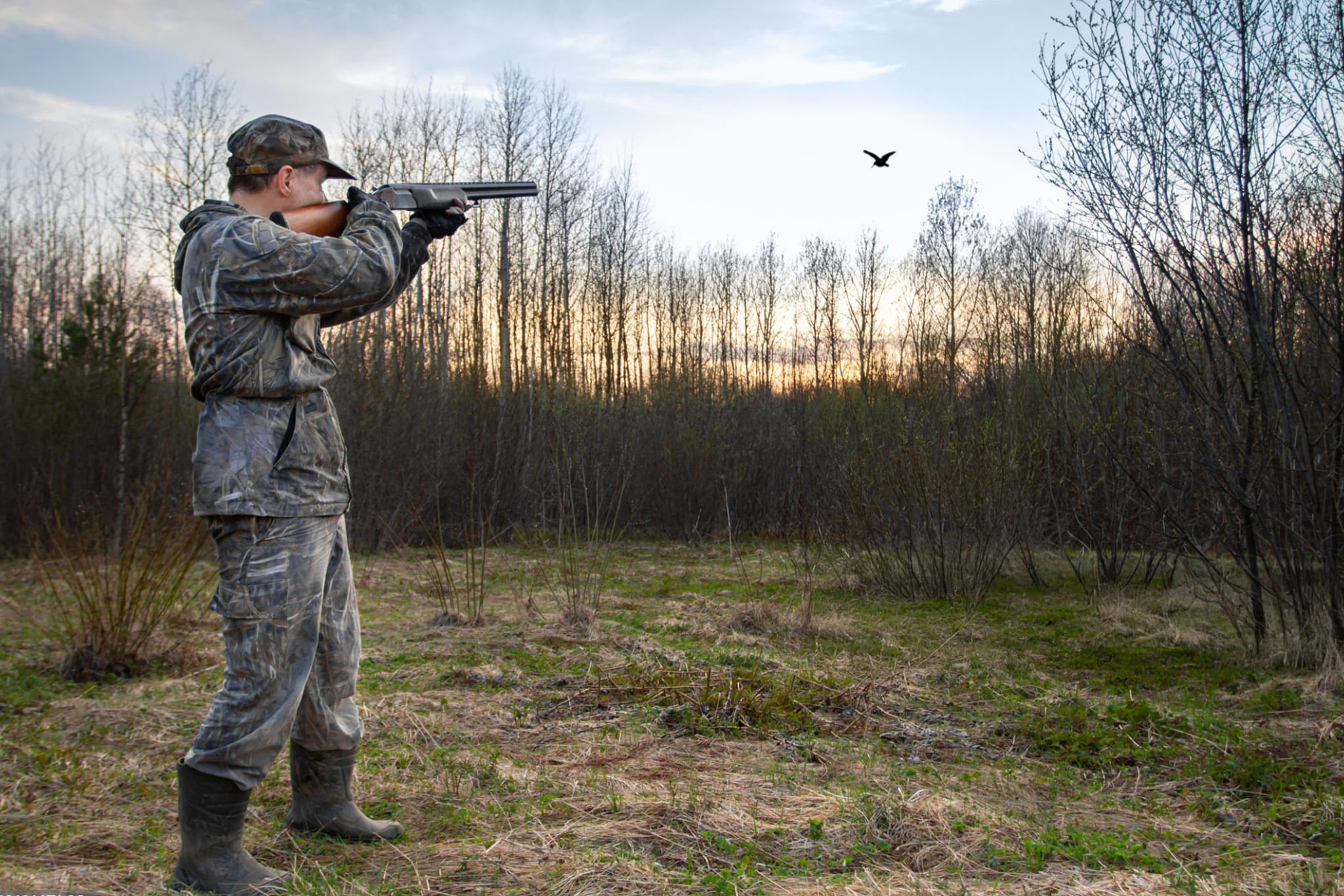
For many hunters across the U.S., dove season marks the unofficial start of fall hunting. September fields buzz with wings, shotguns echo across sunflower patches, and hunters shake the rust off after a long off-season. But dove hunting, while fast-paced and social, is anything but easy. Success depends on two critical factors: good shot placement and smart field preparation. Whether you’re a veteran wing-shooter or heading out for your first opener, sharpening these skills will make your September hunts far more rewarding.
Why Dove Hunting Is Unique
Doves are among the most challenging birds to hunt. They fly fast—often 35 to 55 miles per hour—and their erratic, darting flight patterns demand sharp reflexes and clean shooting form. Add in crowded public fields or hot September afternoons, and it’s easy to see why bag limits often go unfilled.
To consistently hit your mark, you’ll need to focus not only on your shooting but also on how you prepare the field and yourself before birds arrive.
Mastering Shot Placement
One of the biggest mistakes dove hunters make is firing at the bird instead of leading the target. Because doves move so quickly, poor shot placement results in misses or wounded birds.
Tips for Better Accuracy
- Lead Generously
- Aim slightly ahead of the dove’s flight path. A bird flying left to right may require a foot or more of lead at 30 yards.
- Focus on the Head, Not the Body
- Train your eyes on the bird’s beak or head. Your shotgun pattern spreads behind your focal point, ensuring vital hits.
- Keep the Gun Moving
- Don’t stop your swing at the trigger pull—follow-through ensures pellets meet the bird in motion.
- Limit Your Range
- Ethical shots are within 35–40 yards. Longer shots reduce accuracy and cripple recovery.
- Pattern Your Shotgun
- Before opening day, shoot clay pigeons to see where your gun patterns with different loads.
Choosing the Right Ammunition
For doves, lighter shot sizes are most effective.
- 7 ½ or 8 shot is standard, offering dense patterns without over-penetration.
- Use improved cylinder or modified chokes for wider spreads at short to medium ranges.
Field Prep: Setting the Stage for Success
While sharp shooting wins the moment, field preparation determines how many opportunities you’ll get. A well-prepared field not only attracts doves but also positions hunters for cleaner, closer shots.
Key Field Prep Strategies
- Food Sources Matter
- Doves flock to sunflower fields, millet patches, corn stubble, and wheat. Ensure hunting fields are legally prepared and not baited.
- Water and Roosting Sites
- Doves need daily access to water. Fields near ponds, stock tanks, or muddy edges see steady bird traffic.
- Clean Open Ground
- Doves prefer landing in bare patches before feeding. Mow strips in fields to create landing zones.
- Hunter Positioning
- Spread hunters evenly along field edges to avoid crowding. Birds circle less if shooters cover multiple flight lines.
- Shade and Comfort
- September hunts can be brutally hot. Position near natural cover or bring a portable blind for comfort and concealment.
Timing the Hunt
- Morning Hunts: Birds fly from roosting sites to feed. Movement is fast and heavy at sunrise.
- Evening Hunts: Doves head back to water and roosts. Activity builds steadily and peaks before sunset.
Essential Gear Checklist
- Shotgun and shells (always bring extra).
- Bucket or stool for sitting on field edges.
- Camo clothing or neutral earth tones.
- Eye and ear protection.
- Cooler and plenty of water for hot days.
- Dog for retrieval—doves are small and can be hard to recover in tall grass.
Conservation and Ethics
Responsible dove hunting isn’t just about bag limits—it’s about respecting the birds and the land.
- Know your state regulations on limits and legal field prep.
- Retrieve every bird to avoid waste.
- Respect property owners and fellow hunters by leaving fields clean and safe.
Final Thoughts
September dove hunting blends fast shooting, social camaraderie, and the thrill of the first hunt of fall. By mastering shot placement and preparing your fields wisely, you’ll dramatically increase your success. Remember: good shooting is built on practice, and good hunting depends on preparation.
As the sun rises over a cut field or sets behind a patch of sunflowers, there’s no better way to welcome hunting season than with a limit of doves and memories made with family and friends.
