
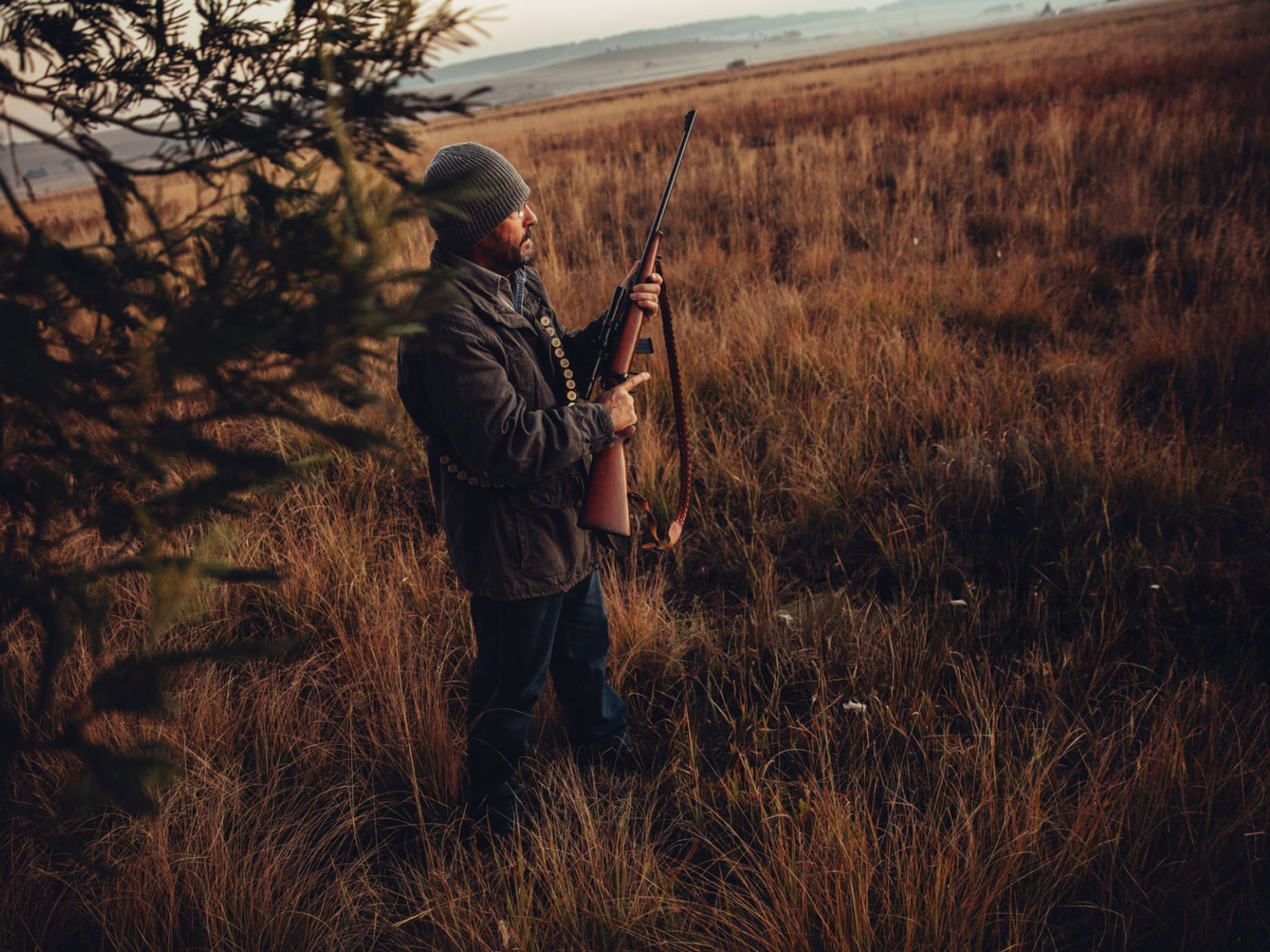
When it comes to whitetail hunting, few areas hold as much promise as the edge habitat—the transitional zone where forest meets field. These natural boundaries create a buffet of food sources, cover, and travel routes, making them magnets for mature bucks. If you’re serious about targeting big deer this season, understanding how to hunt edge habitat could be the difference between a slow sit and a filled tag.
Why Edge Habitat Attracts Big Bucks
Whitetails are creatures of both caution and opportunity. Mature bucks, in particular, seek out areas that balance security with easy access to food. Edge habitats deliver exactly that.
- Food Diversity: Crop fields, food plots, and natural browse sit right alongside the cover of timber. Deer can step out to feed while keeping the safety of the woods within a short dash.
- Travel Corridors: Bucks often follow these boundaries as they move between bedding and feeding areas, making edges reliable travel routes.
- Cover and Concealment: The thick understory that often grows along edges provides visual cover, letting deer feel secure even when they’re in the open.
This blend of resources is why edges are often referred to as a “deer hunter’s goldmine.”
Key Times to Hunt the Edge
Early Season
In September and October, bucks often feed heavily in fields of soybeans, alfalfa, or early food plots. Set up along the downwind edge where timber meets crops to catch them during daylight feeding patterns.
Rut Transition
During the rut, edges become highways. Bucks cruise these transition zones while scent-checking for does. Positioning yourself near intersections of multiple edges—such as where a field corner meets a brushy fencerow—can put you in the path of a cruising giant.
Late Season
As food becomes scarce, deer concentrate around remaining crop fields and cut corn edges. Find where a south-facing bedding slope meets a late-season food source, and you’ll be in prime position.
Stand Placement Strategies
Hunting edges requires careful thought about wind, visibility, and access.
- Play the Wind: Always set up on the downwind side of expected deer movement. Bucks will often skirt the edge with their nose in the wind.
- Use Natural Cover: Brush lines, hedgerows, and even big oak trees make great natural blinds. If you’re hanging a stand, tuck it into cover to avoid skylining yourself.
- Entry and Exit Routes: Don’t blow your hunt before it begins. Access edges from the side or rear, avoiding the deer’s line of travel, and exit under the cover of darkness.
Enhancing Edge Habitat for Hunting Success
If you own or manage hunting land, you can make edges even more productive:
- Create Soft Edges: Transition zones with shrubs, saplings, and grasses hold more deer than a hard line between woods and field.
- Plant Food Plots Along Edges: Clover strips, brassicas, or small grain plots can pull deer consistently.
- Add Cover: Hinge cutting or planting native grasses along field edges gives bucks more confidence to use them during daylight.
Gear Considerations for Edge Hunts
- Optics: A good set of binoculars helps glass long edges without unnecessary movement.
- Clothing: Scent control and quiet fabrics are critical since deer often approach from unpredictable angles.
- Stands vs. Blinds: Hang-on tree stands give better concealment inside the timber, while ground blinds work well in open field corners if brushed in properly.
Final Thoughts
Big bucks don’t just live deep in the woods. More often than not, they spend their daylight hours near the security of forest edges, especially when food sources are close by. By learning to read edge habitat, playing the wind, and fine-tuning your stand location, you can dramatically increase your odds of encountering mature whitetails this fall.
Edge hunting is about balance—the balance of risk and reward for the deer, and the balance of patience and precision for the hunter. Master this habitat, and you’ll master one of the most productive strategies in whitetail hunting.
