
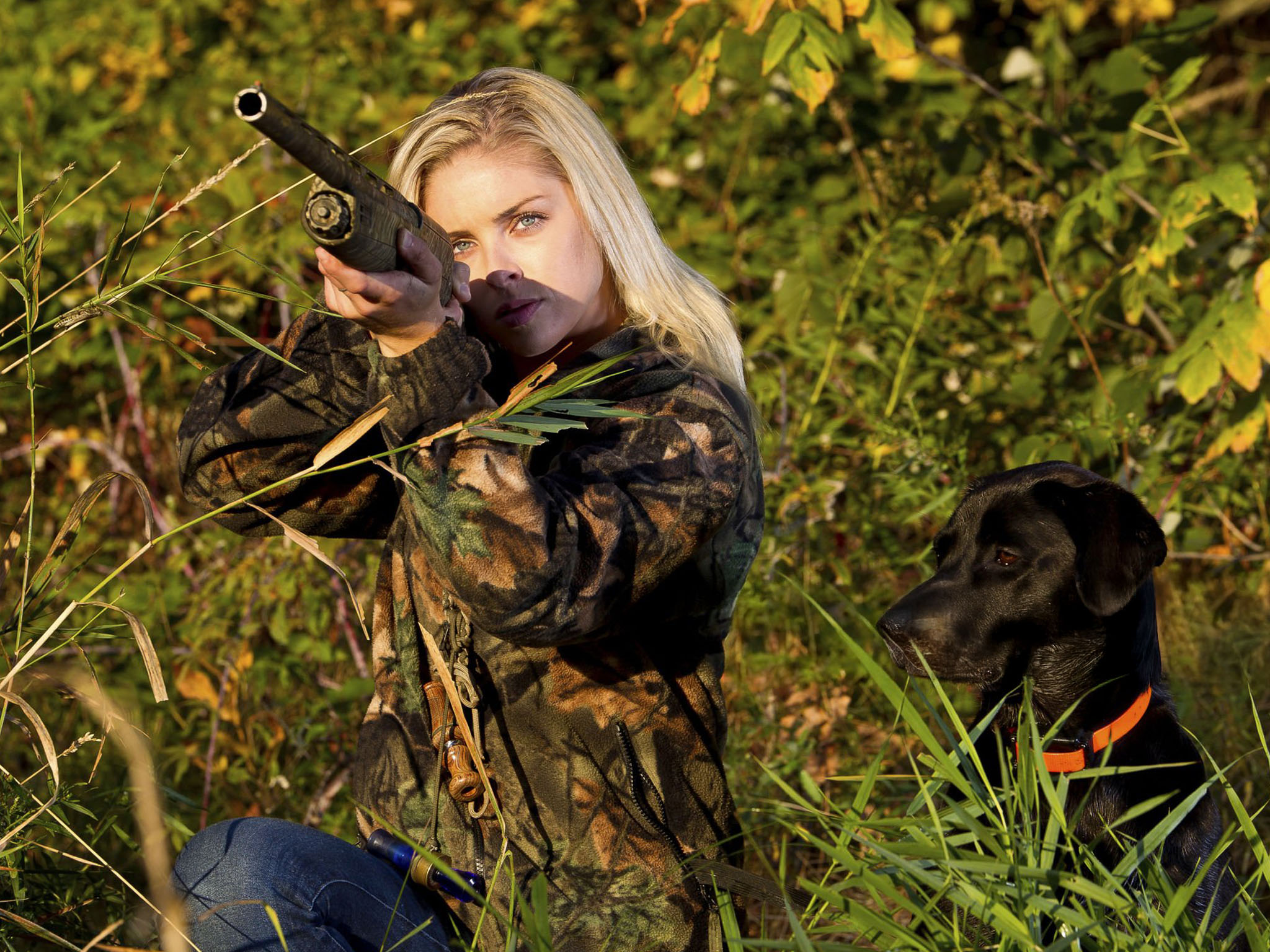
For whitetail hunters, few times of the year are as thrilling—or as productive—as the rut. Bucks that were cautious and nocturnal just weeks ago suddenly roam in daylight, chasing does and sparring with rivals. While the rut is primarily driven by photoperiod (day length), falling temperatures can act as a powerful trigger, pushing deer activity into overdrive. Hunters who understand how to time their hunts with both the rut and cooling weather stand the best chance of capitalizing on this magical window.
Why Temperature Plays a Role in the Rut
The rut isn’t dictated by temperature—it’s a biological event tied to shortening daylight hours. But weather influences how much deer move and when they move. Cool days and frosty nights encourage bucks to spend more time on their feet, making them more visible during legal shooting hours. Conversely, warm spells can suppress activity, forcing hunters to adjust strategies until the next cold snap arrives.
Key Phases of the Rut and Temperature Influence
1. Pre-Rut (Late October to Early November)
- Bucks begin laying scrapes and rubs, asserting dominance.
- Cooler mornings and evenings drive early activity, especially along field edges and travel corridors.
- Best tactic: Focus on fresh sign and hunt staging areas where bucks wait for does at dusk.
2. Peak Rut (Mid to Late November)
- Bucks throw caution aside, chasing and breeding does.
- Cold weather amplifies daylight activity—this is when you’re most likely to see a mature buck at noon.
- Best tactic: All-day sits near doe bedding areas or travel pinch points.
3. Post-Rut (Late November to Early December)
- Bucks are weary and worn, but secondary breeding occurs.
- A cold front during this time can re-ignite deer movement as bucks seek out the last unbred does.
- Best tactic: Hunt food sources close to cover—exhausted bucks need calories, and does remain key attractants.
Cold Fronts: The Rut Hunter’s Best Friend
Hunters across North America swear by hunting after a cold front, and science supports this observation. A drop of 10–15 degrees often sparks a burst of deer movement. Bucks cover more ground to find receptive does, and feeding activity increases before and after the front.
Hunting Tip: Plan vacation days around the forecast. If a sharp temperature drop lines up with peak rut, that’s the time to be in the woods from dawn to dusk.
Stand Placement and Timing During Cool Downs
- Morning Hunts: Cooler mornings during the rut see bucks cruising between bedding areas. Position yourself along funnels, saddles, or downwind sides of ridges.
- Midday Opportunity: When temperatures stay cool, bucks may stay active all day. Sitting from 10 a.m. to 2 p.m. can be just as productive as prime hours.
- Evening Hunts: As temps dip, deer stage earlier near food sources. Set up where cover meets crop fields, oak flats, or brassica plots.
Gear and Preparation for Cold-Weather Rut Hunts
- Layering: Staying warm is essential for long sits. Invest in moisture-wicking base layers and windproof outer gear.
- Scent Control: Cooler air traps scent closer to the ground—pay attention to wind shifts and thermals.
- Calls and Scents: During cold snaps, bucks are often more responsive to grunt tubes, rattling sequences, and doe estrus scents.
Mistakes to Avoid
- Waiting for Perfect Weather: Don’t stay home just because it’s warm. The rut is short, and bucks still move—though often in different patterns.
- Overhunting Hot Spots: Too much pressure on a bedding area or travel funnel can shut down activity. Rotate stands when possible.
- Ignoring Midday: Hunters who head back to camp at 10 a.m. miss prime opportunities, especially during cold, clear days in peak rut.
Final Thoughts
The rut is nature’s gift to deer hunters—a time when mature bucks are at their most vulnerable. While daylight length initiates the breeding cycle, dropping temperatures amplify movement, giving hunters a decisive edge. By aligning hunting strategies with cold fronts, understanding rut phases, and staying patient through long sits, you can maximize your chances of crossing paths with the buck of a lifetime.
When the temperatures drop and the woods come alive with rutting activity, don’t just hope to get lucky—be there, be prepared, and take advantage of the rut’s full potential.
