
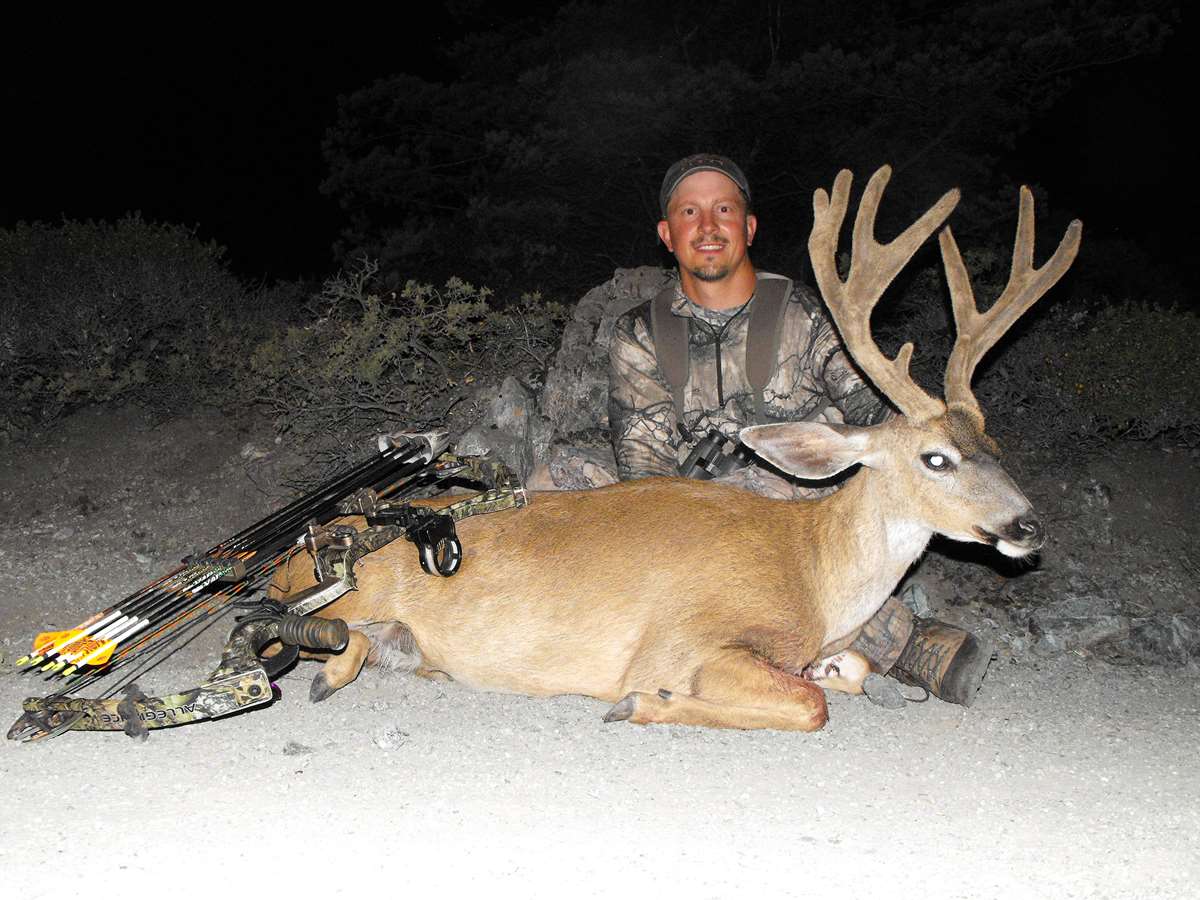
Late-Season Bowhunting: Adapting Tactics for Weary Bucks
As the leaves have long fallen and the chill of winter settles in, bowhunters face one of the most challenging yet rewarding times of the season: late-season deer hunting. By this point, mature bucks have endured weeks of pressure from archery hunters, gun season crowds, and changing weather patterns. They’ve seen it all—calls, scents, decoys, and stands. If you want to put a tag on a late-season whitetail, you need to adapt. Success now requires strategy, patience, and a deeper understanding of deer behavior.
Why Late Season Hunting Is Different
By December and January, whitetails are running on survival mode. Bucks have burned through much of their energy during the rut and are focused almost entirely on food and conserving calories. Hunting pressure has also made them more nocturnal and cautious. Unlike the aggressive behavior you may have seen during the rut, late-season deer tend to move with stealth, often staging in cover until dark before hitting food sources.
This shift means your early-season tactics won’t cut it. You need to change your approach to match their needs.
Key Tactics for Late-Season Bowhunters
1. Focus on Food Sources
Food is king in late season. Agricultural leftovers like standing corn or soybeans, green plots of winter wheat, or mast crops such as acorns can be magnets for hungry deer. If you can identify which food sources are still available in your area, you’ve already narrowed your odds dramatically.
Bowhunters should set up downwind of these feeding areas, ideally along trails leading from thick bedding cover. Bucks will rarely dive straight into open fields before dark, so intercepting them on the way is often more productive.
2. Find Thermal Bedding Areas
When temperatures plummet, deer seek south-facing slopes, conifer stands, and thick brush that provide both thermal cover and security. Bucks that have survived this long are highly cautious and prefer bedding spots that give them visual advantage and wind protection. Scouting these areas—without spooking deer—is essential for late-season success.
3. Play the Weather
Weather patterns heavily influence late-season deer movement.
- Cold fronts: A sharp drop in temperature often gets bucks feeding earlier.
- Snow cover: When snow blankets the ground, food becomes concentrated, and trails are easier to read.
- High pressure days: Clear, calm days following a storm often bring increased daylight movement.
Time your hunts around these conditions to maximize your chances.
4. Low-Impact Hunting
Late-season deer are hypersensitive to pressure. If you overhunt a stand or leave too much scent behind, you’ll educate them quickly.
- Use quiet entry and exit routes.
- Hunt sparingly—wait for optimal conditions.
- Pay close attention to wind and thermals.
The goal is to remain invisible, keeping bucks comfortable enough to move naturally.
5. Adjust Calling and Decoys
Aggressive calling that works in early November rarely fools a December buck. Tone it down—if you call at all. Light grunts can sometimes coax a buck into range, but rattling and doe bleats are far less effective. Similarly, decoys are risky now, since pressured deer may shy away from unnatural setups.
Gear Considerations for Cold-Weather Hunts
Bowhunting in late season also means fighting the elements. Staying comfortable keeps you focused and extends your time in the stand.
- Layering system: Moisture-wicking base layers, insulating mid-layers, and windproof outer shells are essential.
- Cold-weather boots: Insulated, waterproof boots keep your feet warm on long sits.
- Hand and body warmers: Simple tools that make a big difference in staying still and patient.
Don’t forget your bow performance. Cold temperatures can stiffen strings and affect your draw. Practice in the cold so you know how your setup behaves.
Patience Pays Off
Late-season bowhunting isn’t about seeing dozens of deer; it’s about making the most of limited opportunities. Bucks that are still alive have survived months of pressure, making them the hardest to kill. But with careful planning, smart stand placement, and discipline in waiting for the right conditions, you can turn this tough time into one of the most rewarding hunts of the year.
Final Thoughts
Late-season bowhunting is the ultimate test of a hunter’s adaptability. By shifting your focus from rut tactics to food and survival patterns, respecting wind and pressure, and preparing for the cold, you can outsmart even the wariest buck. For hunters willing to grind it out, the payoff is immense—a hard-earned whitetail that proves persistence, patience, and strategy can overcome even the toughest odds.
