
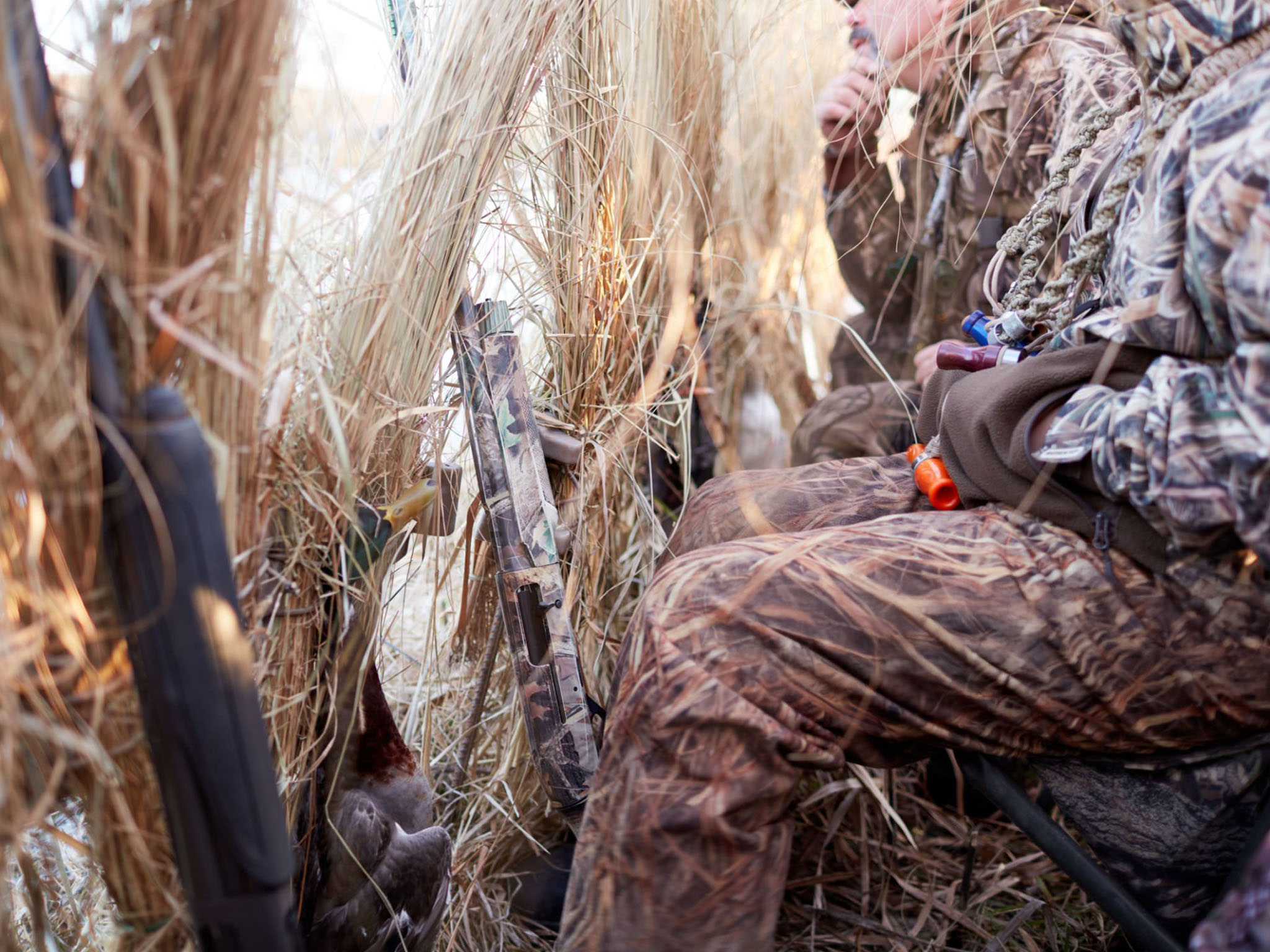
As the air cools and the first hints of autumn creep in, waterfowl hunters feel that familiar excitement—duck season is on the horizon. While opening day may still be weeks away, the hunters who consistently fill their straps aren’t waiting until then. Instead, they’re already scouting early flights, glassing ponds, and checking local marshes for the first migrating birds of the year.
Scouting during this pre-season window can mean the difference between a slow opener and a banner day. Here’s how to approach early duck scouting with strategy, patience, and precision.
Why Scout Early Flights?
Ducks are creatures of habit. Before hunting pressure builds, they fall into daily feeding and roosting routines. By the time the season officially opens, these patterns often shift, especially in areas with heavy pressure.
Scouting early flights offers three major benefits:
- Identifying travel corridors: You’ll see where ducks are flying in and out of roosts before hunting pressure changes behavior.
- Patterning feeding areas: Early season ducks key in on local resources—grain fields, shallow ponds, and weed-choked backwaters.
- Avoiding wasted hunts: Instead of guessing where birds will be, you’ll already know the best water and time of day to set up.
Where to Look for Early Ducks
Not all water holds ducks during the pre-season warm-up. Focus on locations that provide food, cover, and safety:
- Shallow Backwaters and Sloughs – These spots often hold teal and wood ducks, especially in early mornings.
- Small Farm Ponds – Ducks love loafing here mid-day, particularly if there’s nearby grain.
- River Bends and Sandbars – Moving water stays open longer and offers predictable flight paths.
- Crop Fields with Standing Water – Corn and soybean fields with pooled water become magnets when early flights arrive.
Keep in mind that ducks are highly adaptable. A hidden creek you overlooked last year could suddenly be the hot spot this fall.
Timing Your Scouting
Scouting isn’t about sitting in a blind with a shotgun—it’s about quietly observing and gathering intel. To maximize success:
- Mornings: Watch where ducks leave roosts at first light.
- Afternoons: Track where they feed and loaf during the day.
- Evenings: Follow flights back to roosts, but avoid spooking them.
Consistency is key. Checking the same spots for several days will reveal patterns that aren’t obvious after just one visit.
Tools for Smarter Scouting
Modern duck hunters have more tools than ever to scout effectively:
- Binoculars & Spotting Scopes: Essential for long-distance observation without disturbing birds.
- Mapping Apps: OnX, HuntStand, and Google Earth help locate hidden potholes, oxbows, and small marshes.
- Trail Cameras: With water-resistant setups, you can monitor small ponds for flight activity.
- Drones (Where Legal): In some states, drones are prohibited for hunting purposes, but when legal for scouting, they provide unmatched aerial perspective. Always check regulations first.
Balancing Scouting with Ethics
Scouting is most effective when it doesn’t disturb birds. Spooking ducks too often can push them to new waters before season even starts. To scout responsibly:
- Stay at a distance with optics.
- Avoid walking into feeding or roosting areas.
- Use vehicles and boats sparingly near prime habitat.
- Remember: the less the birds know you’re watching, the more predictable they’ll remain.
Early Flights to Watch For
In many regions, the first ducks to show up in early fall are:
- Blue-winged Teal – Among the earliest migrants, often arriving before most seasons open.
- Wood Ducks – Residents of creeks, rivers, and timber swamps.
- Mallards – Local birds may shift to new food sources as crops are harvested.
- Pintails and Gadwalls – Less common early on, but worth watching if you hunt major flyways.
Recognizing species helps determine hunting setups later—decoys, calls, and timing all shift depending on which birds dominate early flights.
Turning Scouting into Success
By the time opening day rolls around, the hunters who scouted early flights already know:
- Which ponds are hot and which are empty.
- What time birds trade from roosts to feed.
- Which winds line up with natural flight paths.
Instead of “winging it” on opener, they’re slipping into proven setups and letting the first flights of the season come right to them.
Final Thoughts
Duck hunting success starts long before the first shot is fired. Scouting early flights on local water gives hunters an inside look at duck behavior before the season shifts them into pressured patterns. By combining patience, modern tools, and ethical practices, you can set yourself up for a strong opener and a productive season ahead.
In short—don’t just dream about duck season. Get out there, scout the water, and let the birds show you where you need to be when the opener arrives.
