
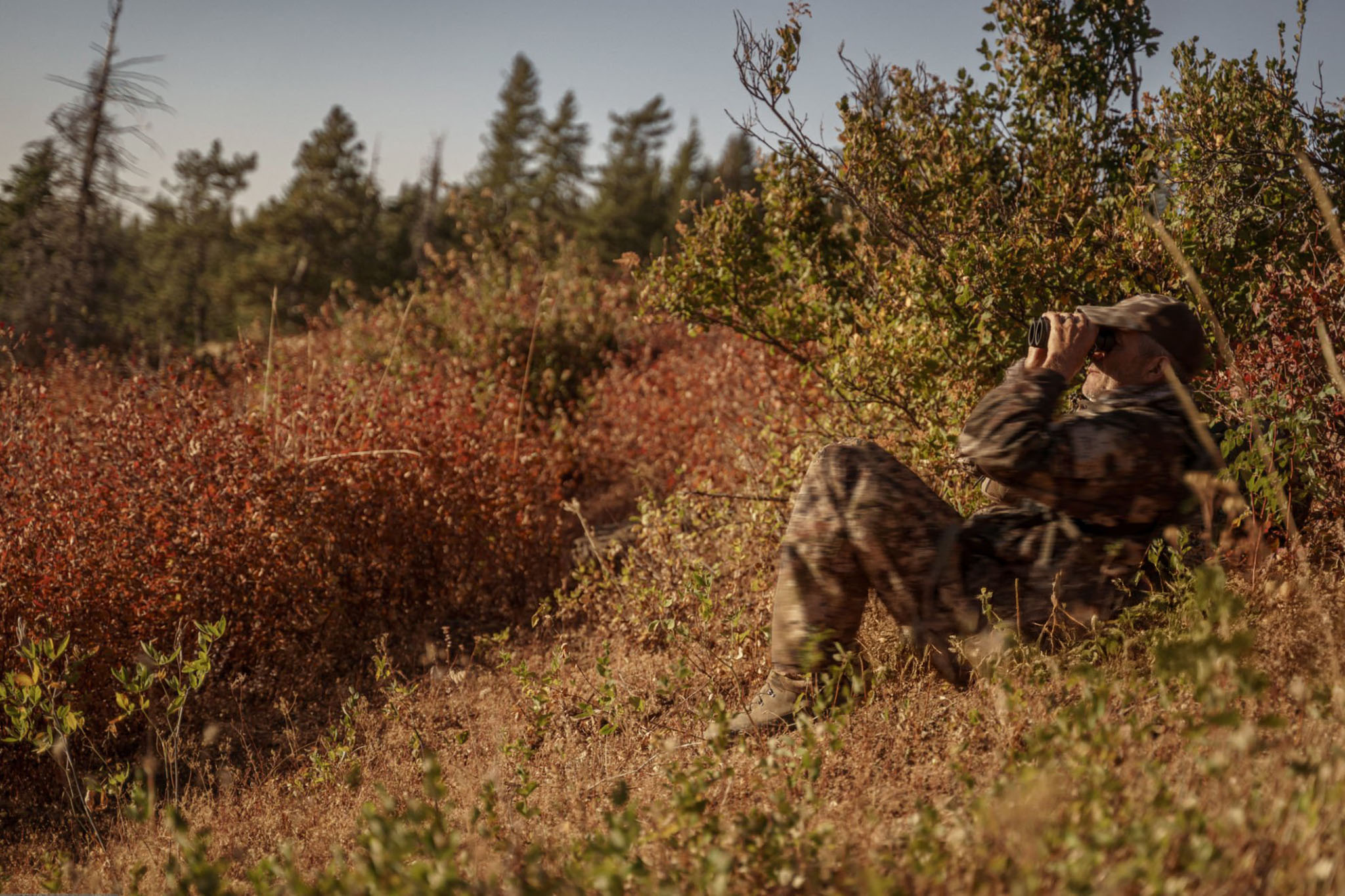
For hunters who know how to read the land, the “edges” are where the action happens. Edge habitat—those transition zones where open fields meet timber, or croplands meet thick brush—create a perfect blend of food, cover, and travel corridors for whitetails, turkeys, and even small game. As fall arrives and food availability shifts, these transitional areas become even more critical for hunters seeking reliable encounters.
Why Edge Habitat is a Magnet for Wildlife
Wildlife thrives where two or more habitats intersect. These zones provide everything deer and other game animals need in a compact area:
- Food: Fields supply grains, clover, or late-season crops, while the timber edge offers browse, acorns, and other mast.
- Cover: Thicker brush or the first rows of timber give animals the security they crave before stepping out to feed.
- Travel Corridors: Edges act as natural highways, guiding deer and other game between bedding areas, food plots, and water sources.
In short, edge habitat allows animals to feed, bed, and move with minimal exposure, making it a prime focus for hunters in the fall.
Seasonal Shifts That Make Edges Prime in Fall
During early fall, deer often stay close to crop fields and mast-rich areas. But as the season progresses:
- Crops Are Harvested: With corn and soybeans coming down, deer begin to rely heavily on the cover and browse found along edges.
- Acorns Drop: Timber edges with oak stands become hotspots, drawing deer that transition between mast and open fields.
- Rut Activity Builds: Bucks use edges to scent-check does in feeding areas without exposing themselves fully. Scrapes and rubs often appear along these boundaries.
This combination of food and cover makes edges especially productive as daylight activity increases around cold fronts and the pre-rut.
Scouting Edge Habitat Effectively
Not all edges are equal, and careful scouting is essential to locate the ones with the most promise. Look for:
- Fresh Sign: Tracks, rubs, and droppings concentrated along edge trails.
- Staging Areas: Small openings or brushy corners where deer wait before entering fields at dusk.
- Funnels: Narrow strips of cover connecting larger blocks of timber across open fields—these force deer into predictable movement patterns.
- Multiple Edge Intersections: Where fields, creeks, and timber converge, activity tends to spike.
Trail cameras placed along these edges can confirm patterns and reveal the timing of movement.
Tactics for Hunting the Edge
Hunting edges requires strategy and subtlety. Here are proven tactics:
- Morning Hunts in Timber Edges
Set up just inside the timber to intercept deer returning from feeding fields. Deer often hang up in the edge cover before bedding down. - Evening Hunts Over Fields
Position yourself along the downwind edge of fields where deer enter to feed. The first hour after sunset is prime time. - Hunt the Corners
Field corners where multiple edges meet are reliable stand sites. Bucks often cruise these spots during the rut to check for does. - Use the Wind Wisely
Because deer travel edges with wind advantage in mind, always set up where your scent won’t blow into food sources or bedding cover. - Blend In
Camouflage that mimics brushy edges or timber bark, combined with staying motionless, ensures you remain undetected when deer pause to scan before entering the open.
Edge Habitat Beyond Deer
While whitetails get most of the attention, edge habitats benefit other hunters too:
- Turkeys: Often feed along field edges in fall, scratching for leftover grains and insects.
- Coyotes: Use edges to travel and hunt, providing opportunities for predator hunters.
- Small Game: Rabbits and pheasants thrive in brushy transition zones where cover and food overlap.
This makes edges some of the most versatile hunting areas throughout the fall season.
Final Thoughts
The beauty of edge habitat is its consistency. While deer and other game adjust to seasonal changes, one truth remains: animals feel safest where they can move between food and cover quickly. For hunters, that makes edges the ultimate ambush zone.
This fall, don’t just focus on wide-open fields or deep timber stands. Pay close attention to the lines where they meet. By learning to read and hunt these transitions, you’ll gain a serious edge of your own.
